
Last updated November 25, 2026
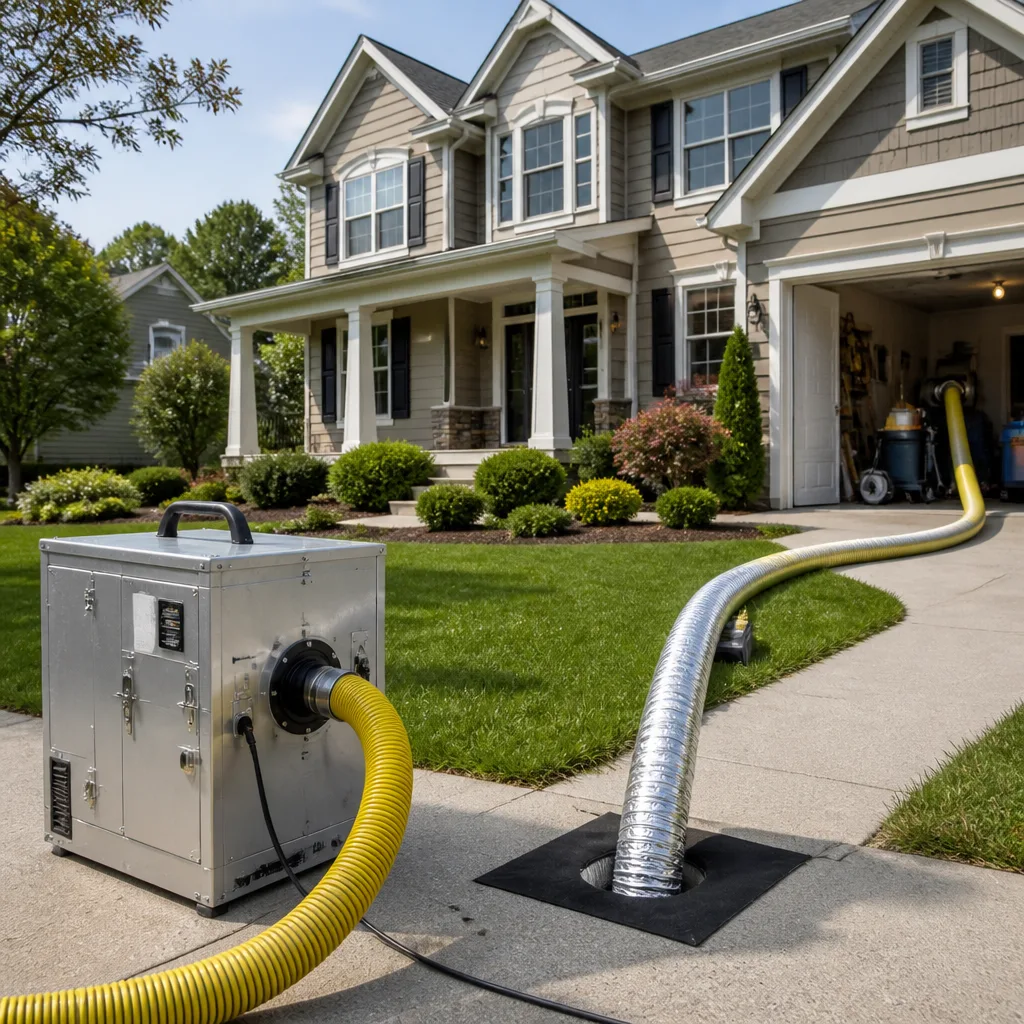 Whole-home duct cleaning
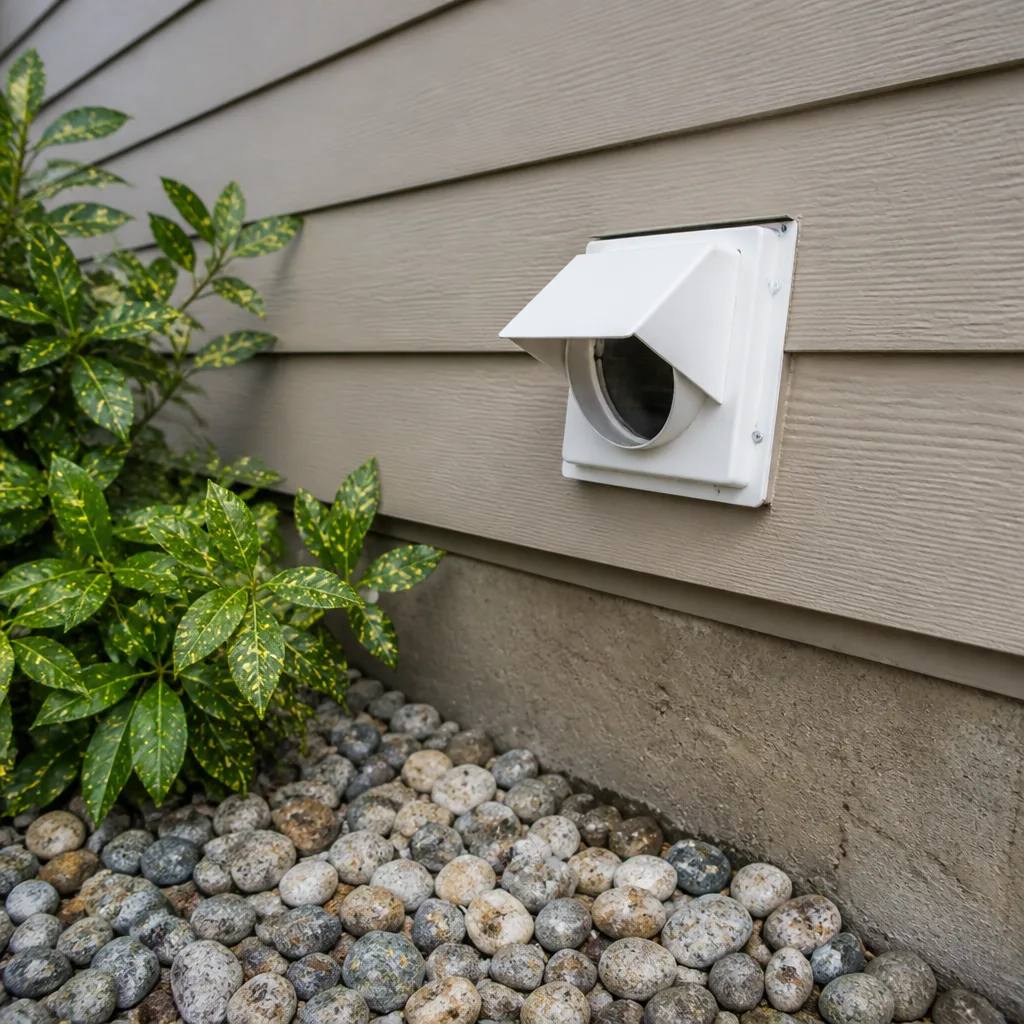 Dryer vent cleaning
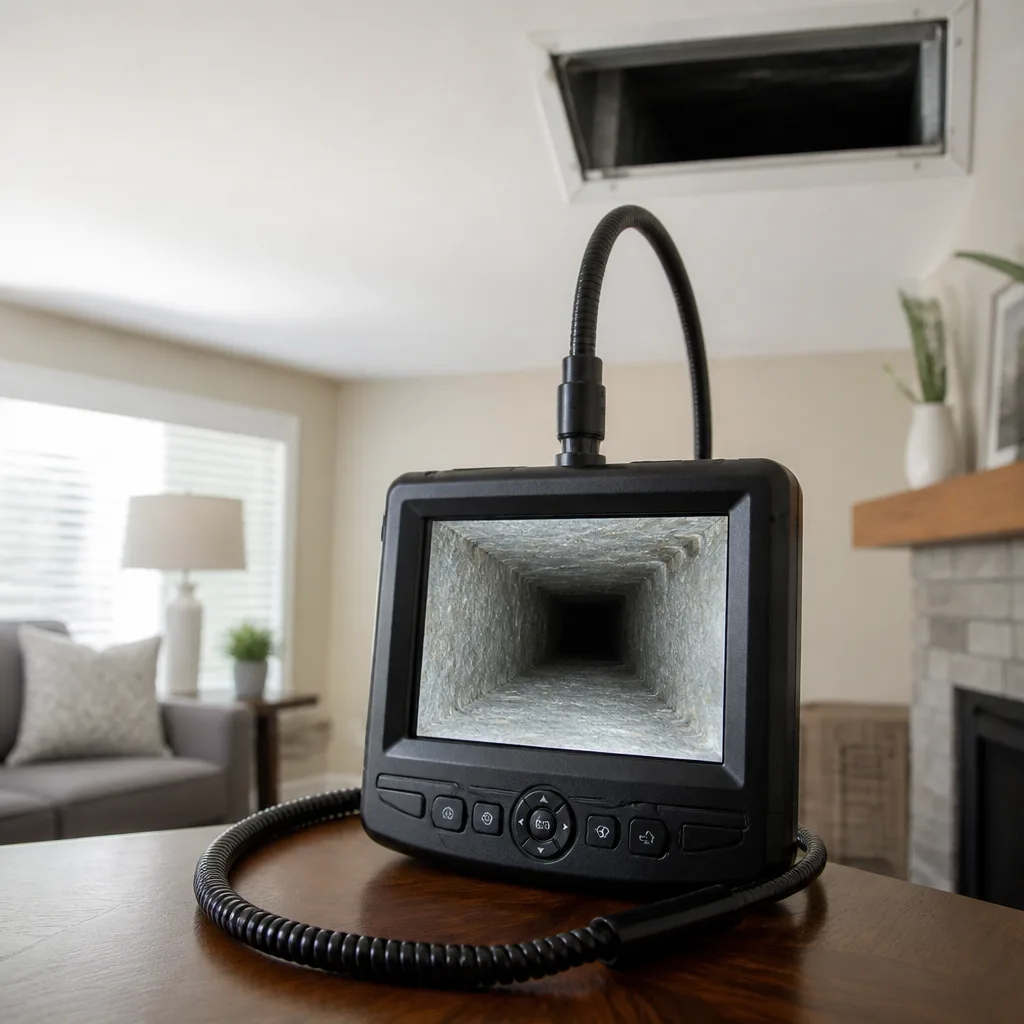 Camera inspection
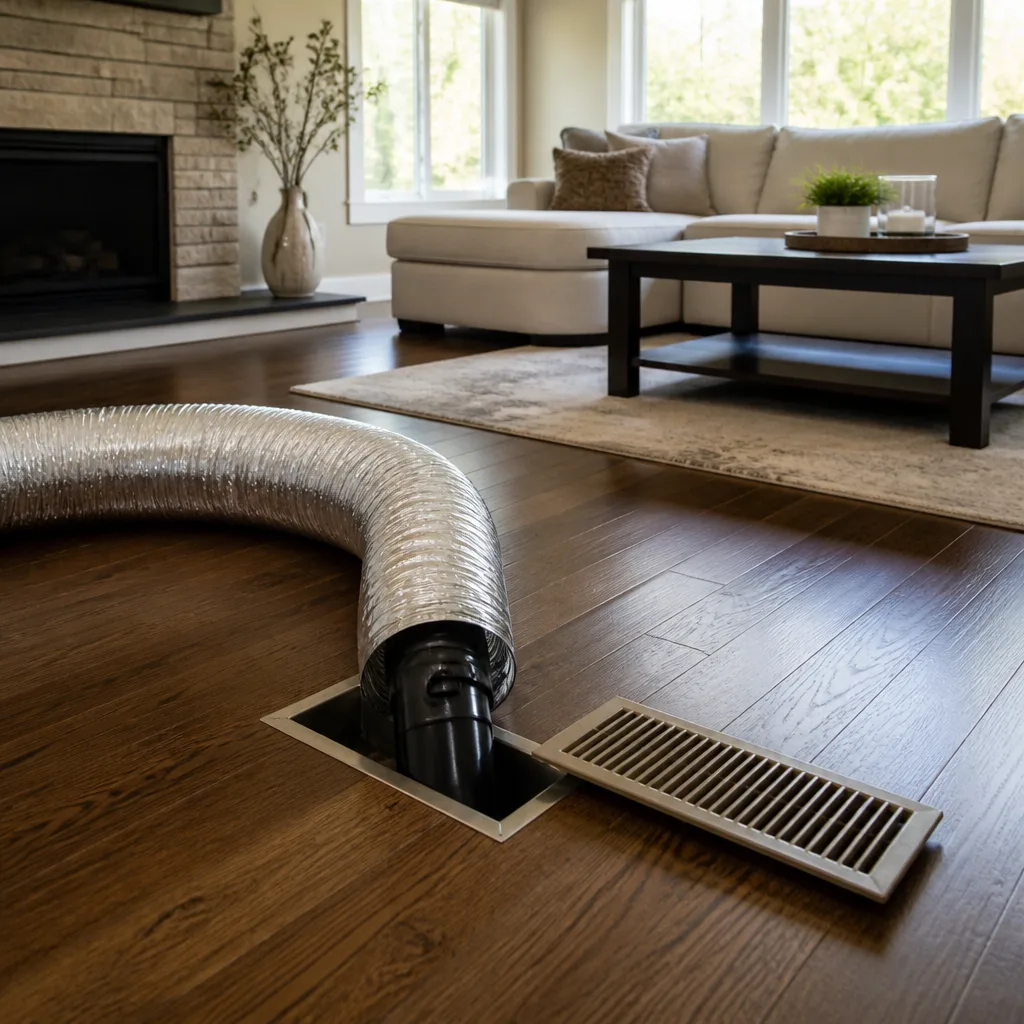 Sanitizing & deodorizing
Whole-system duct and dryer vent check with before-and-after photos - you see exactly what came out of your vents
That "$99 whole-house special" is a bait ad - the real number appears once they are in your hallway, or the "clean" is a shop-vac at the register. We photograph the inside of your ducts before and after instead.
Air Duct Cleaning Warning Signs: A Commerce City Homeowner’s Reference Guide
Most homeowners look for duct problems at the register and stop there. If the vent cover looks clean, they assume the system behind it is fine. But the signals that matter most rarely show up at the surface. They show up on your utility bill, in how long your furnace runs before the house feels warm, in a bedroom that never quite catches up to the thermostat, in a cough that appears every time the heat kicks on. Learning to read those signals is the difference between guessing and knowing. In Commerce City, where windblown dust and nearby construction keep the air busy, those signals are easy to miss. This guide walks through the five categories of warning signs, how to tell a dirty system from a leaky one, and what to document before anyone touches your ducts.
Quick Answer
The most reliable warning signs of a duct system that needs attention are an unexplained 15 – 20% rise in heating and cooling costs, visibly dirty registers or staining around them, musty or acrid odors when the system starts up, rooms that stay too hot or too cold, longer HVAC runtimes, and recurring respiratory symptoms that track with system operation. In Commerce City, add two local triggers: wildfire smoke residue in duct insulation and construction dust from nearby development. A cleaning alone fixes some of these. Others point to leaks or structural problems that need repair and sealing instead.
Styles & brands we work with
- Whole-home duct cleaning
- Dryer vent cleaning
- Camera inspection
- Sanitizing & deodorizing
Table of Contents
- The Five Categories of Warning Signs
- Visual Warning Signs at the Registers and Beyond
- Smell and Performance: The Signals You Feel Before You See
- Health Signals That Track With Your HVAC
- Structural Signals: When Ducts Move, Whistle, or Whine
- Dirty Ducts vs. Leaky Ducts: Why the Fix Is Different
- Commerce City Triggers: Wildfire Smoke and Construction Dust
- How to Document Warning Signs Before a Technician Arrives
- When Cleaning Won’t Fix It: Warning Signs That Point to Repair or Sealing
The Five Categories of Warning Signs
Duct problems announce themselves in five distinct ways, and each category tells you something different about what’s happening. A homeowner in Commerce City who notices only one category may be looking at a minor cleaning issue. Someone who notices three at once is usually looking at a system-level problem. We’ve seen this pattern hold up across thousands of inspections, and it’s the fastest way to sort a real problem from a cosmetic one.
- Visual: Debris at the registers, dark staining around vent covers, visible dust trails on ceilings.
- Olfactory: Musty, sour, or acrid odors when the system starts up and for several minutes after.
- Performance: Room-to-room temperature swings, longer heat or cool cycles, higher energy use.
- Health: Respiratory symptoms that appear or worsen when the HVAC is running.
- Structural: Audible duct movement, whistling at seams, popping from grilles.
Treat these as a checklist, not a diagnosis. One signal in the visual category might mean nothing more than a dusty house. Three signals across categories is a different conversation, and it’s usually the point where a professional assessment saves both money and guesswork.
Visual Warning Signs at the Registers and Beyond
The register is where most people start, and it’s worth a look, but not a long one. Pop the cover off a supply vent and shine a light up the visible run. A thin, even film of dust is normal. A thick felt-like layer, clumps, or material that looks more like lint than dust points to a buildup deeper in the system. Do the same at your return-air grille, which is usually the dirtiest location in the house because all of the return air passes through it.
Look past the registers. Staining is a signal most people miss. Dark halos around a ceiling vent, a discolored patch on drywall near a duct chase, or dust trails along the edges of the ceiling often mean air is escaping where it shouldn’t. In Commerce City, where summer heat and winter freeze cycles move a lot of moisture through the structure, that staining can also point to condensation issues on uninsulated runs in the attic.
Check the air handler filter and the blower compartment during your next filter change. A filter that loads up fast in this climate usually means the return side is pulling more dust than it should. A blower wheel with visible dust buildup is a clear signal the whole path from the blower to the vent needs attention. This is exactly the inspection our HVAC cleaning service covers, because cleaning the ducts without cleaning the equipment that moves air through them only solves half the problem.
Smell and Performance: The Signals You Feel Before You See
Odor is the most underrated warning sign. A musty smell at startup suggests microbial growth somewhere in the system, often where condensation collects on a cool coil or in an uninsulated duct run. A sour, dirty-sock odor usually means the evaporator coil and drain pan are in the picture. An acrid, almost burnt smell is typically dust cooking off the heat exchanger during the first minutes of a heating cycle; if it doesn’t fade within a few minutes, that’s worth a professional look sooner rather than later.
Performance signals are quieter, and they’re the ones homeowners ask us about most. Watch for these patterns:
- The furnace or air conditioner runs noticeably longer than it did a year ago to reach the same thermostat setpoint.
- One or two rooms are consistently too hot or too cold while the rest of the house is fine.
- The utility bill jumps without a rate change or a change in how you run the system.
- Air pressure at the registers feels weak compared to previous seasons.
Industry guidance generally points to a 15 – 20% unexplained rise in heating or cooling costs as one of the most reliable indicators of compromised duct performance. Most homeowners attribute that to a rate increase and never investigate further. It’s worth investigating, because the same signal that means “dirty system” can also mean “leaky system,” and those are two very different repairs.
Health Signals That Track With Your HVAC
We’re not doctors and this isn’t medical advice, but we can tell you what to watch for. A health signal becomes a duct signal when the symptoms correlate with system operation. In practical terms: a cough, congestion, or eye irritation that appears within minutes of the HVAC starting up and fades when it cycles off is worth paying attention to. Symptoms that are worse in one specific room. Symptoms that begin after a renovation. Symptoms that show up in the fall when the heat first comes on after months of sitting idle.
Households with allergy or asthma concerns often notice these patterns first, which is why we treat air quality and sanitizing as a separate service category rather than an add-on to cleaning. Microbial growth and odor at the duct level call for more than debris removal, and that’s where the sanitizing step earns its place in the scope. If your household is dealing with a respiratory pattern that tracks with your HVAC, it’s reasonable to have the system inspected before assuming anything else is the cause.
Structural Signals: When Ducts Move, Whistle, or Whine
Sound is data. A duct system that pops, bangs, or whistles is telling you something about pressure balance. The most common structural signals:
- Popping at startup or shutdown: Sheet metal flexing against a pressure change, often a sign of undersized or restricted returns.
- Whistling at a grille: High velocity through a small opening, typical when a register is partially closed or the system is starved for return air.
- Audible movement in the walls or attic: Loose sections of flex duct or disconnected joints flexing under pressure.
- Rattling at the air handler: Loose panels or a fan wheel with buildup creating imbalance.
Any of these can exist in a perfectly clean system, which is why we treat structural warning signs as a separate conversation from cleaning. A popping duct doesn’t get better with a cleaning. It gets better when someone looks at the duct layout, tests static pressure, and confirms the returns are sized for the equipment. If you’ve had a system that has popped and banged for years, it’s worth having a professional trace the pressure issue before assuming new equipment will solve it.
Dirty Ducts vs. Leaky Ducts: Why the Fix Is Different
The symptoms overlap so often that homeowners assume the fix is the same. It isn’t. This is one of the reasons we split duct repair and sealing from cleaning, and it’s the single most useful distinction in this guide.
- A dirty system shows up as visible buildup, odors, dust trails, and filter loading. The air is moving, but it’s moving through debris. Cleaning addresses it.
- A leaky system shows up as pressure loss, uneven room temperatures, longer runtimes, whistling at seams, and sometimes dust striping on nearby surfaces. Air is escaping before it reaches the room. Cleaning doesn’t touch it.
- A structurally compromised system shows up as loose joints, disconnected runs, sagging flex duct, or crushed sections. The fix is repair and reconnection, sometimes with sealing at the joints.
Most of the homes we assess in Commerce City have a mix of all three. That’s why an assessment should always end with a written scope that names what’s actually being addressed. If a company quotes a cleaning and stops there without walking the duct runs and testing static pressure, they’ve skipped the part where the problem usually lives.
Commerce City Triggers: Wildfire Smoke and Construction Dust
Two regional patterns make duct problems look different here than in most of the country. The first is wildfire smoke. Front Range smoke events push fine particulates into homes through any opening, and the duct system captures a lot of it. What matters for homeowners is not the smoke itself but what settles afterward. Smoke residue leaves a signature inside duct insulation and on the blower compartment, and it lingers long after the air outside clears. If you can smell smoke indoors when there’s no fire burning nearby, the system is holding onto it.
The second is construction dust. Development is a constant across Commerce City, and construction dust is heavier, grittier, and more abrasive than household dust. It coats filters, sticks to blower wheels, and works its way into the return side of the system faster than most homeowners expect. If you live near an active build, or if your home recently went through any renovation, treat the signs in this guide as more urgent, not less.
Both patterns are why we use Abatement Technologies air filtration equipment on site. Negative-air containment during the cleaning itself is the difference between dislodging debris and managing it. Removing the material without controlling where it goes defeats the purpose. That’s a step most residential cleaners skip, and in a dusty market like Commerce City it’s the step that matters most.
How to Document Warning Signs Before a Technician Arrives
A baseline is your best protection against a company that shows up, waves a flashlight, and tells you what you can’t verify. Photograph before anyone touches the system, and photograph on the day you call. Here’s how to build a record that actually gets used:
- Photograph each supply and return register with the cover in place, then remove the cover and photograph up the visible run with a light source.
- Date-stamp and label each photo with the room name so nothing gets mixed up.
- Write down your filter change dates for the last year. A filter that used to last three months and now lasts four weeks is a data point.
- Measure room-to-room temperature with an inexpensive thermometer at the same time of day, three days in a row. Photograph the readings.
- Log utility bills side by side for the same months across two years to spot the unexplained rise.
- Note odor descriptions in your own words – “musty,” “sour,” “burnt,” “chemical” – and when they appear.
Then ask the technician to photograph inside the system before and after the work, and to email you the photos. Before-and-after documentation is not a courtesy. It’s the standard, and it’s what allows you to compare what was actually found against what you saw on day one.
When Cleaning Won’t Fix It: Warning Signs That Point to Repair or Sealing
Some warning signs have nothing to do with dirt. If any of the following apply, cleaning is not the answer, and a quote that treats it as one is a sign to ask more questions:
- You feel air movement at a duct seam, joint, or where a run enters a wall.
- Rooms above the garage or at the end of a long run never reach the set temperature regardless of season.
- You can hear a rattle or flap inside a wall cavity when the system starts.
- Visible sagging, kinked, or crushed flex duct in the attic or crawlspace.
- Dust trails radiating from a joint or register, which often points to escaping air carrying particles.
- A noticeable drop in airflow at several registers at once, without a filter change or equipment issue to explain it.
These are structural signals. The fix is duct repair and sealing at the joints and runs, followed by verification that the pressure has been restored. Cleaning a system that’s losing air through disconnected joints just removes debris from a path that still won’t deliver air where it should. Our approach is to walk the whole system – from the blower to the vent – before recommending a scope. Sometimes that means cleaning. Sometimes it means repair and sealing first, then cleaning. Sometimes both happen in the same visit.
Common Mistakes to Avoid
- Judging duct condition only by the register. The dirtiest part of the system is almost never visible at the vent. The return plenum and the blower compartment tell the real story.
- Assuming a higher bill is a rate change. In Commerce City, where summer cooling loads and winter heating loads swing hard, a rate change masks a duct issue more easily than in a milder climate. Compare the same months across years.
- Confusing a dirty system with a leaky one. The symptoms overlap, and the fixes are different. A cleaning won’t fix pressure loss, and a sealing job won’t remove the debris already in the system.
- Booking on price alone. A quote that doesn’t walk the system, doesn’t test pressure, and doesn’t include before-and-after photos isn’t cheaper. It’s just less work.
- Skipping the documentation. Without photos of your own, you have no way to verify what was found, what was removed, or what was left alone.
- Ignoring the smell. Odor at startup is a leading signal of microbial growth at the coil or in a duct run. Waiting until it becomes a health issue is unnecessary.
- Letting a Saturday or holiday slip by with a smell you can’t place. We’re closed on Saturdays, so call the phone line Sunday through Friday and get on the schedule rather than letting the problem grow for another week.
See the difference
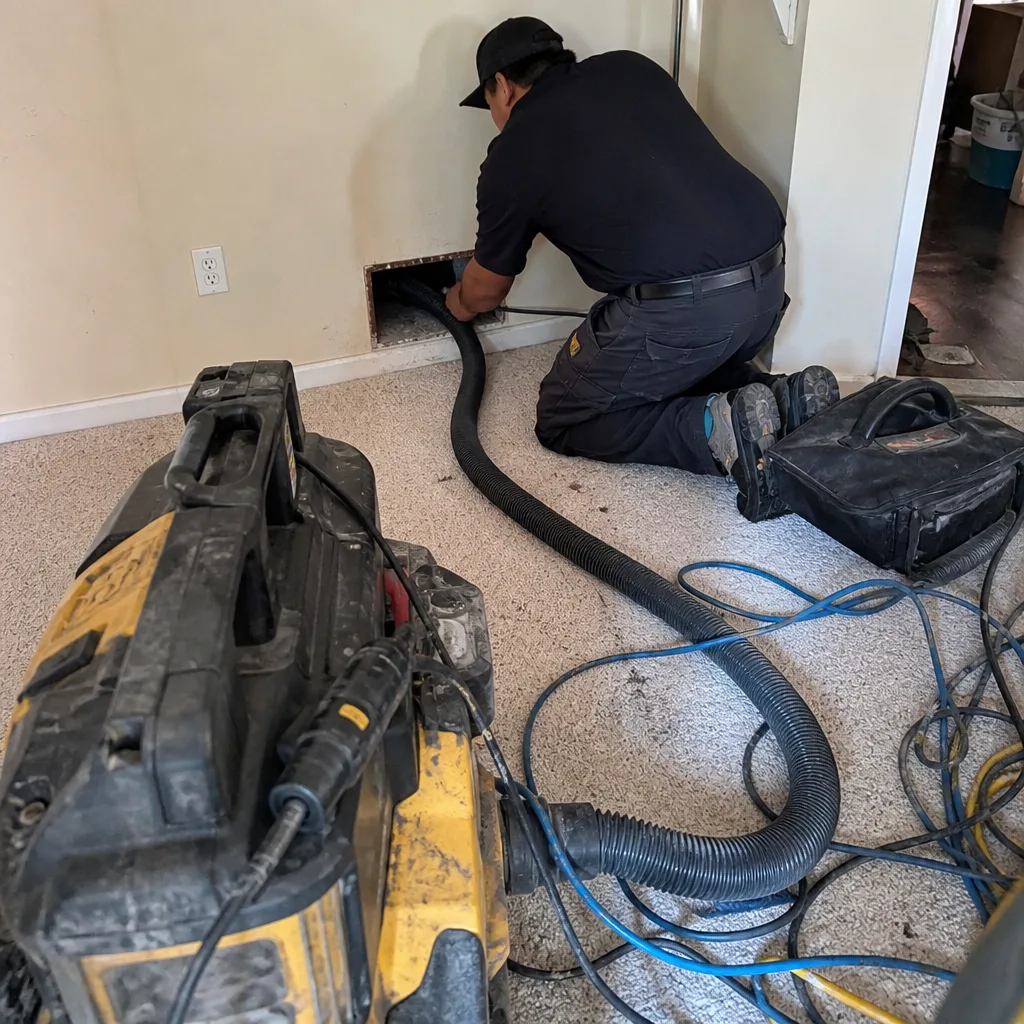 Before
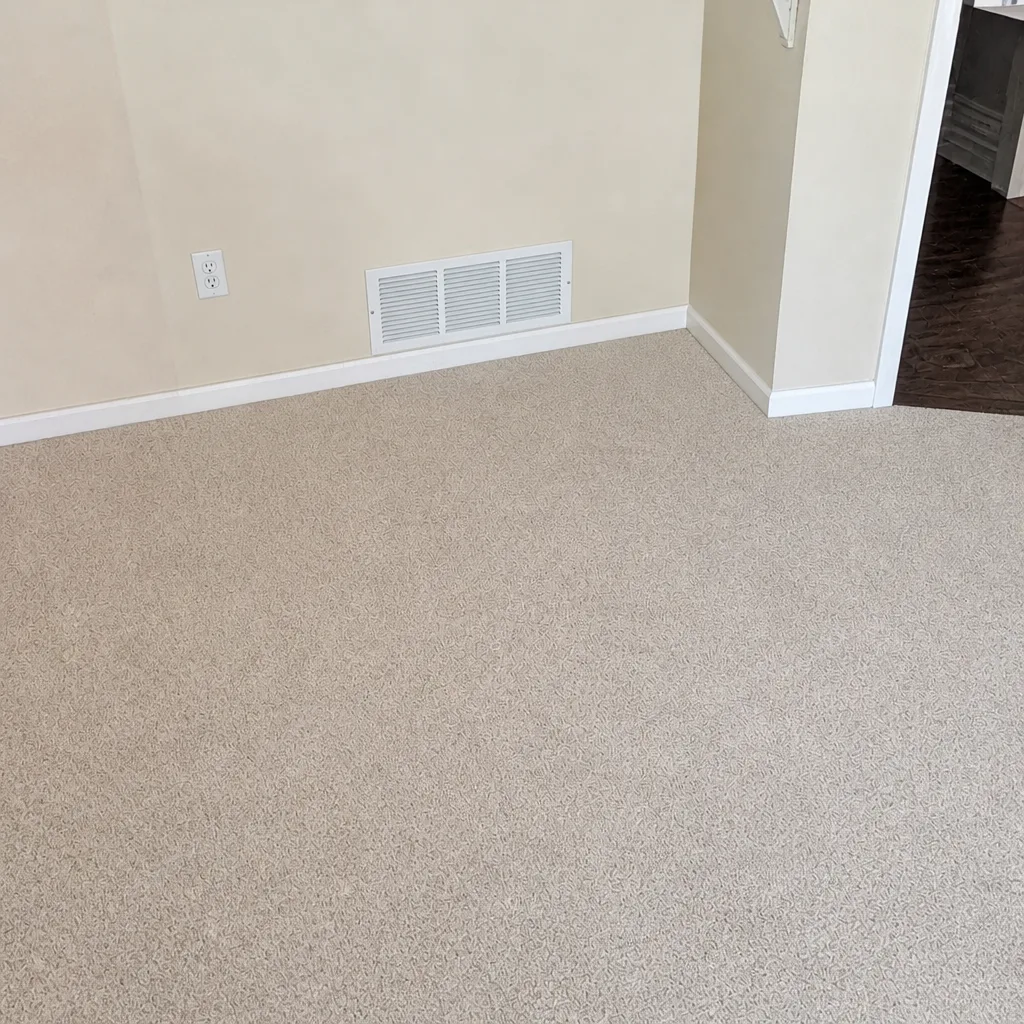 After
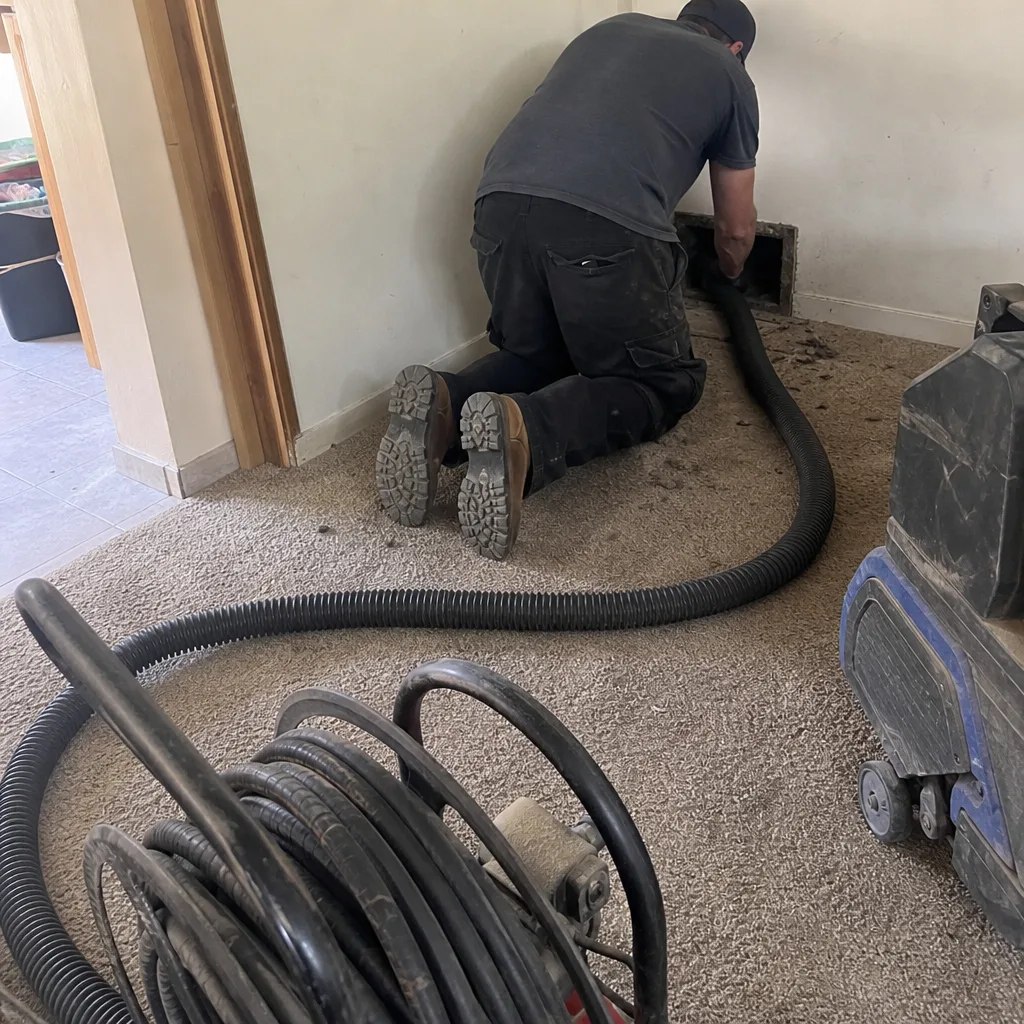 Before
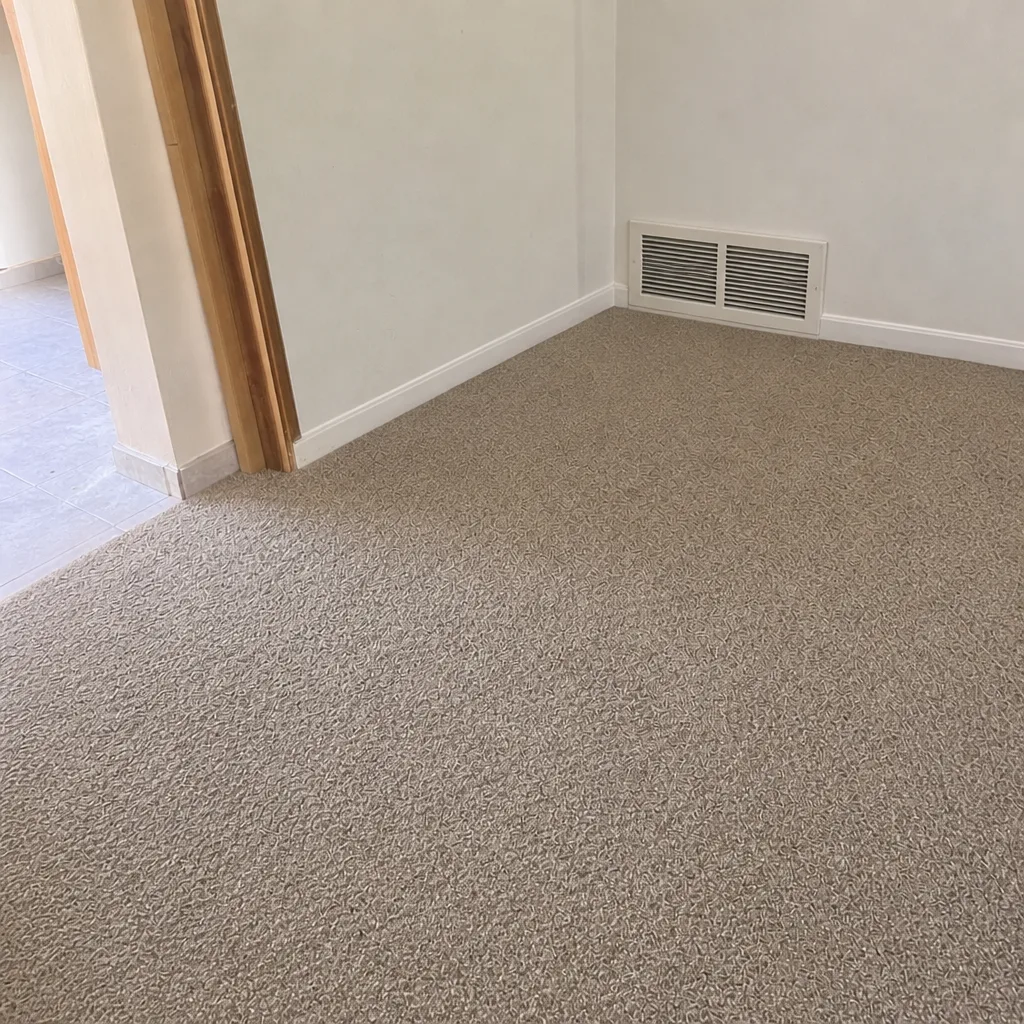 After
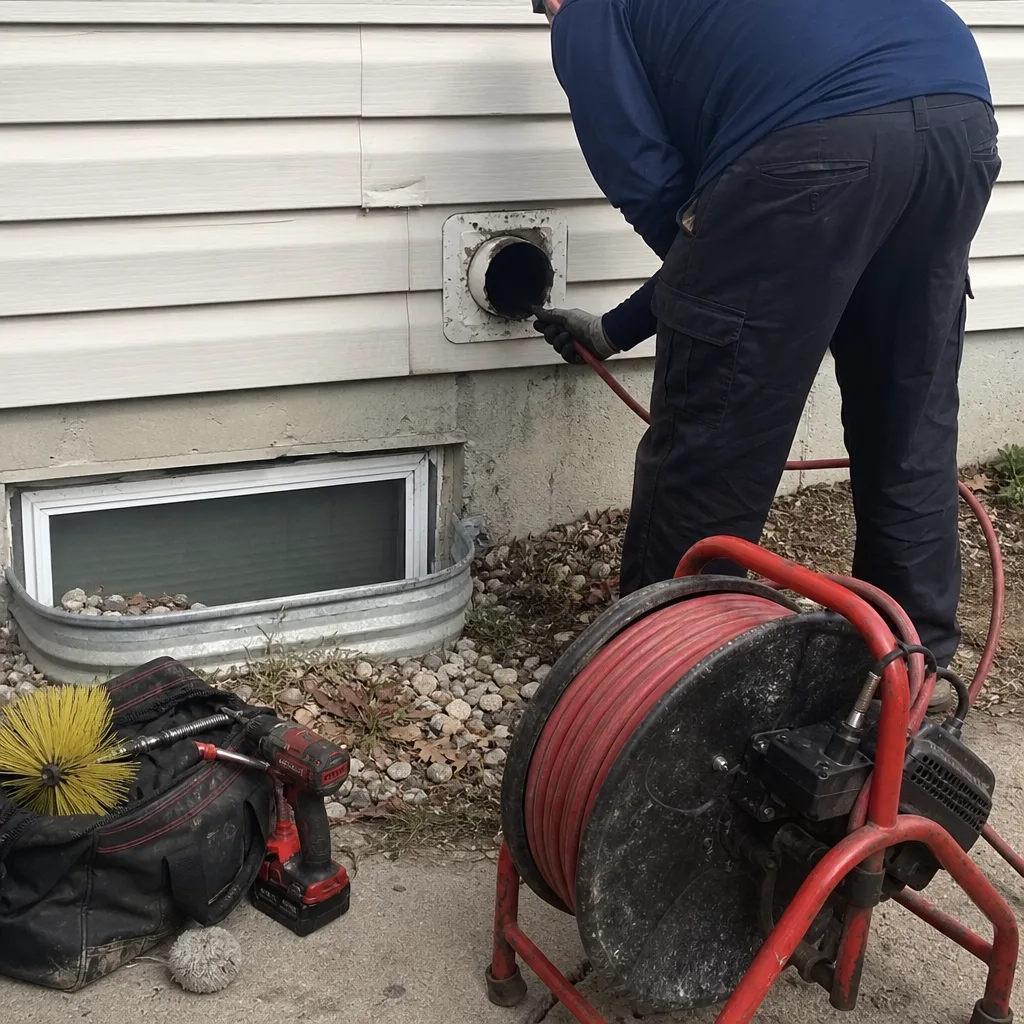 Before
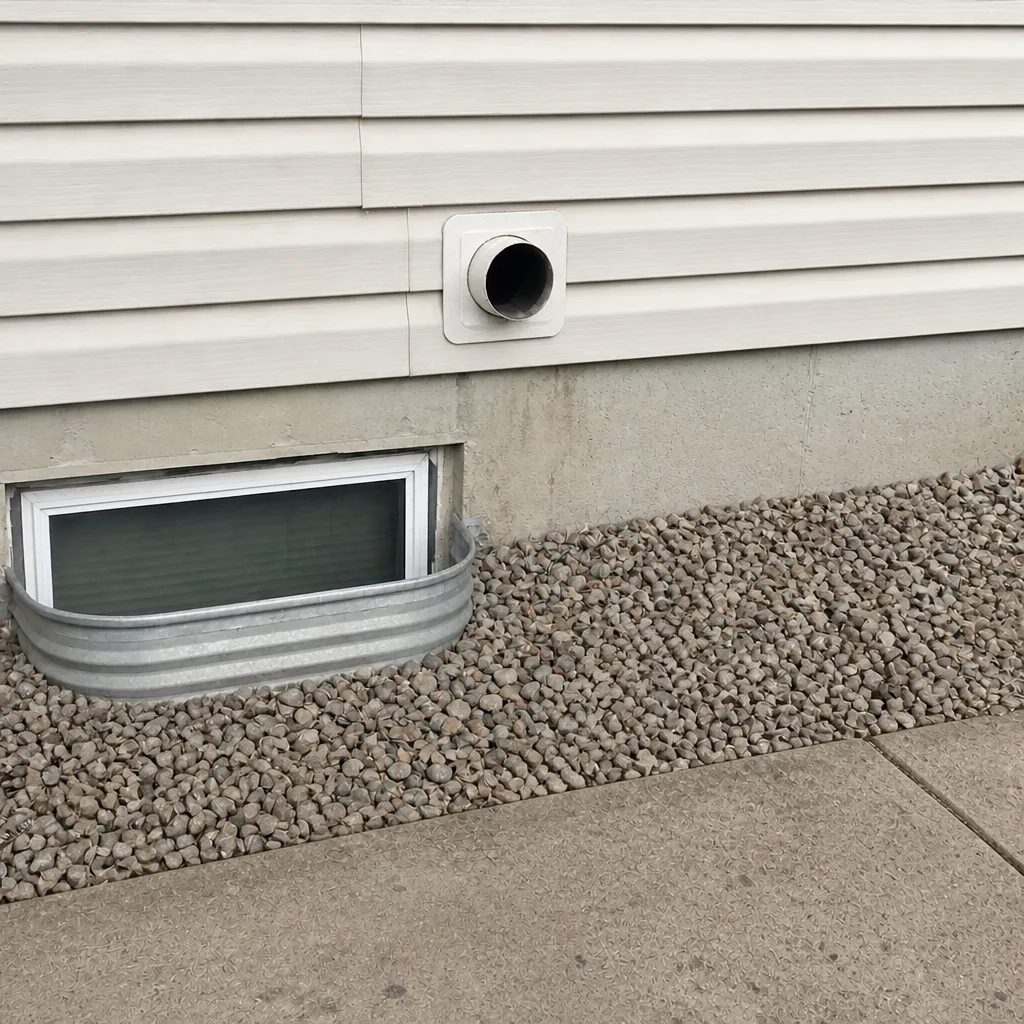 After
When to Call a Professional
Call when two or more categories of warning signs overlap, when the utility bill has risen 15 – 20% without an obvious reason, when an odor at startup doesn’t fade within a few minutes, or when a health pattern tracks with system operation for more than a couple of weeks. Call if you’ve had a renovation, if construction is happening within a block of your home, or if wildfire smoke has been heavy and you can still smell it indoors. Call if your system is popping, whistling, or running longer than it used to. Call before your next filter change if the filter load is noticeably heavier than it was a year ago. A professional assessment with static-pressure testing and photographic documentation answers what a walk around the house can’t. Commerce City Air Duct Cleaning Pros offers free estimates in Commerce City – call (844) 625-7459. We answer 24/7. Fast dispatch from 7am to 7pm, Sunday through Friday.
Frequently Asked Questions
In Commerce City, air duct cleaning is typically priced per system rather than per vent, with a written estimate before any work begins. The price depends on the size of the system, the number of runs, and whether repair, sealing, or sanitizing is part of the scope. We don’t quote per-vent prices or teaser coupons, because a per-vent figure doesn’t reflect the amount of work an older, dusty, or multi-zone system actually requires. The written estimate sets the final price, so you know the number before work starts. Call (844) 625-7459 for a free estimate – estimates are free.
Cheaper quotes usually skip the parts of the job that take time: walking the full system, testing static pressure, containing dislodged debris with negative-air equipment, and documenting before-and-after with photos. A fast walk-through with a shop vac-style tool removes some surface dust and leaves the rest. When the price looks dramatically different from another quote, the difference is almost always in the scope. Ask each company what equipment they use and whether they provide photographic before-and-after records. The answer tells you what’s actually included. Call (844) 625-7459 for an honest scope and free estimate.
Before-and-after photos of the inside of your own system are the standard, not a bonus. Photograph your registers and visible duct runs the day you call, then ask the technician to photograph the same locations after the work and email you the images. Anything inside the blower compartment or the return plenum – places you can’t see without disassembly – should be in the record too. If a company can’t or won’t provide that, you don’t have proof the work happened. Call (844) 625-7459 to schedule a documented assessment with a free estimate.
Most homes don’t need it on a calendar schedule. The honest answer is that duct cleaning should follow the warning signs, not the clock. Homes in Commerce City near active construction, homes that recently went through a renovation, and homes that have absorbed repeated wildfire smoke events are the ones that tend to need attention sooner than the general rule. A household with no warning signs in any of the five categories can usually wait. A household with three or more signals should schedule an assessment. Call (844) 625-7459 to talk through what you’re seeing – estimates are free.
We can’t make medical claims, but we can tell you when a health pattern is worth investigating as a duct issue. If respiratory symptoms appear or worsen when the HVAC starts up, concentrate in one room, or begin after a renovation or a heavy smoke season, that pattern is a signal worth acting on. The next step is an inspection with photographic documentation, not a medical conclusion. Households with allergy or asthma concerns often opt for the air quality and sanitizing service in addition to cleaning. Call (844) 625-7459 to schedule an assessment – estimates are free.
If the system is losing air through loose joints, disconnected runs, or crushed flex duct, repair and sealing come first. Cleaning a system that isn’t delivering air to the rooms just removes debris from a path that’s already broken. The way to know which comes first is to walk the full system, from the blower to the vent, and test static pressure before recommending a scope. That’s what a proper assessment looks like. Call (844) 625-7459 for a free estimate and a written scope that names exactly what’s being addressed.
The Bottom Line
The warning signs that matter most in Commerce City don’t live at the register. They live on your utility bill, in how long your system runs, in smells you’ve stopped noticing, in rooms that never quite catch up. Read all five categories – visual, olfactory, performance, health, structural – and treat them as a set. The most useful distinction in this guide is dirty versus leaky: cleaning fixes one, repair and sealing fix the other, and most homes need both conversations in the same visit. Document everything before anyone touches your system. That baseline is your leverage, and it’s what separates a proper assessment from a guess. Our technicians have up to 9 years of experience reading exactly these signals, and we’re glad to walk your system with you.
Contact
Whether you’ve spotted one warning sign or all five, a free estimate is the fastest way to know what your system actually needs. We use professional-grade equipment – Rotobrush and Nikro cleaning systems, Abatement Technologies air filtration, and familiarity with Honeywell and Aprilaire air quality products – so the scope matches the problem. One call covers cleaning, dryer vent, HVAC, repair and sealing, and sanitizing, without coordinating multiple contractors. If you’re due for dryer vent cleaning or standard air duct cleaning, that’s the same call. Visit Commerce City Air Duct Cleaning Pros to learn more about our full service menu, or dial (844) 625-7459 to schedule. We answer 24/7. Fast dispatch from 7am to 7pm, Sunday through Friday.
Written by the team at Commerce City Air Duct Cleaning Pros.