
Last updated November 25, 2026
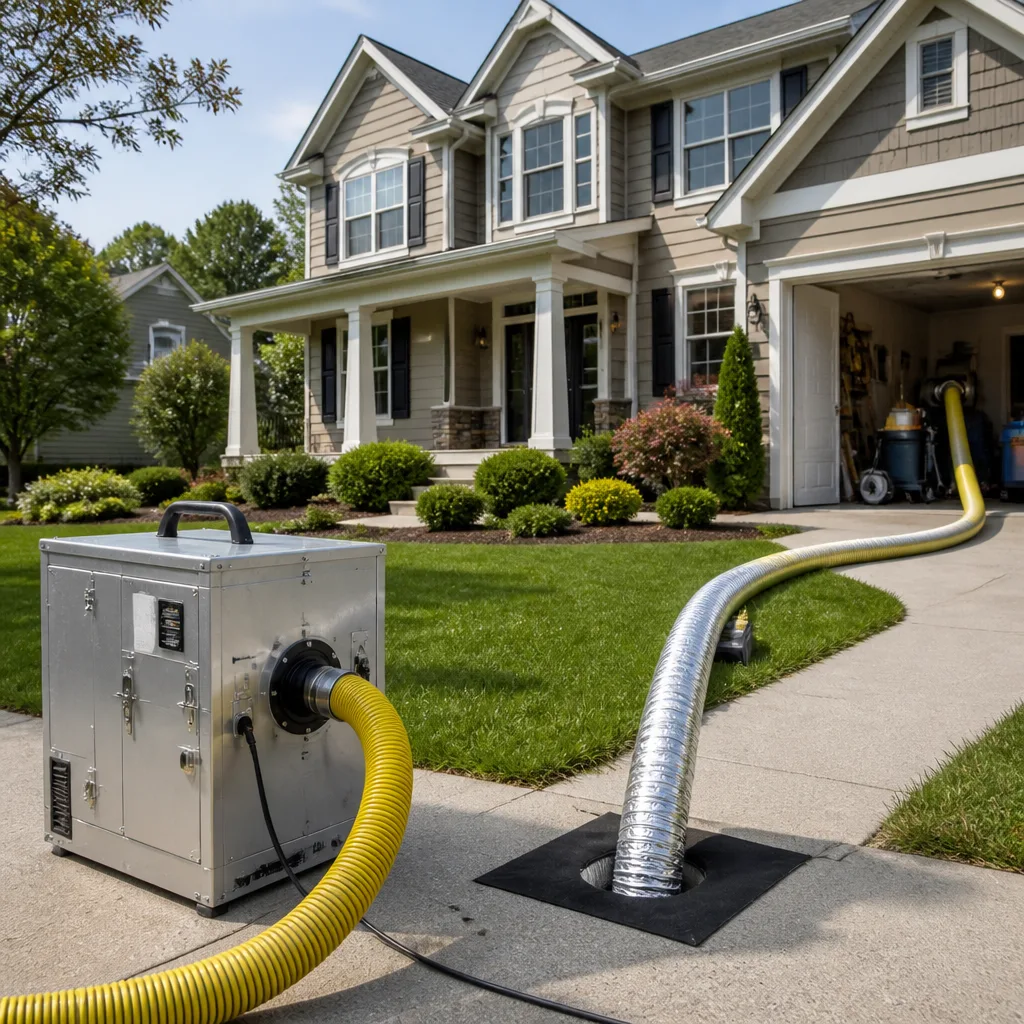 Whole-home duct cleaning
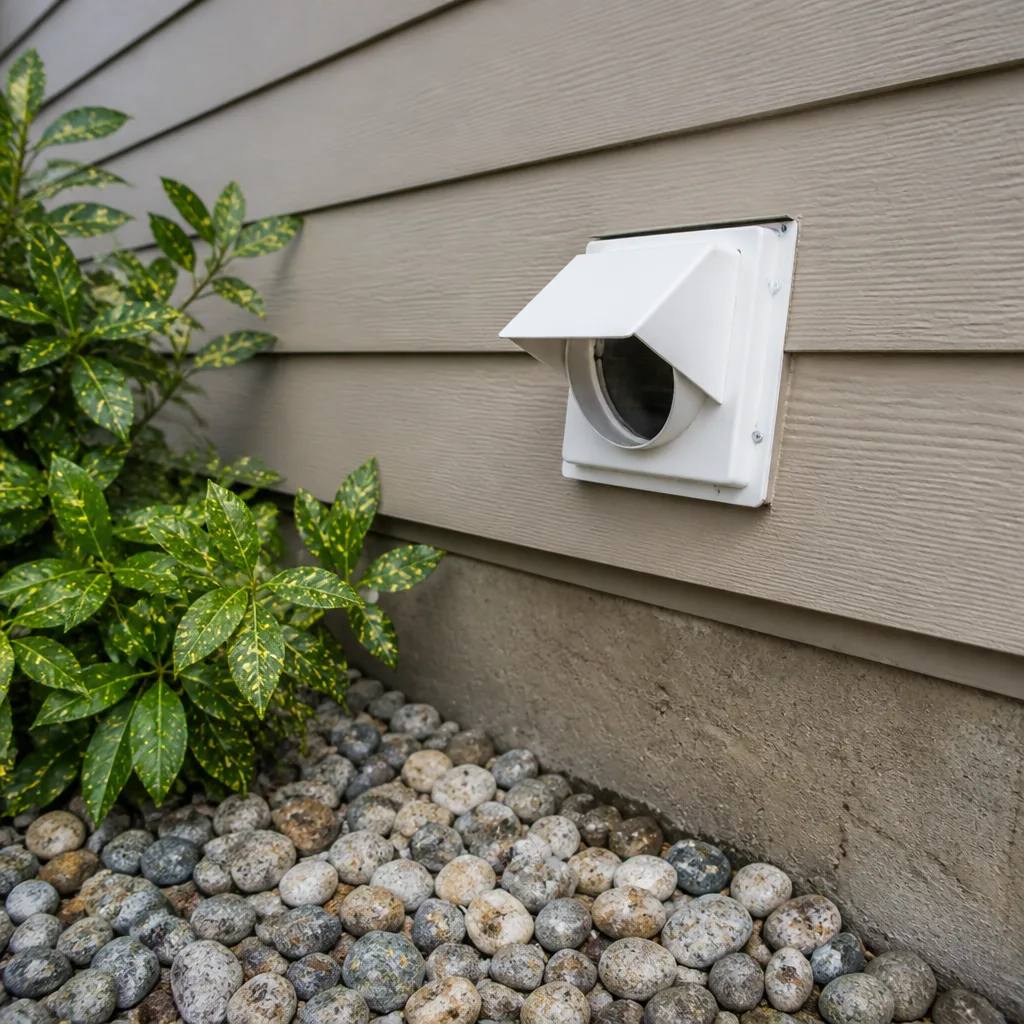 Dryer vent cleaning
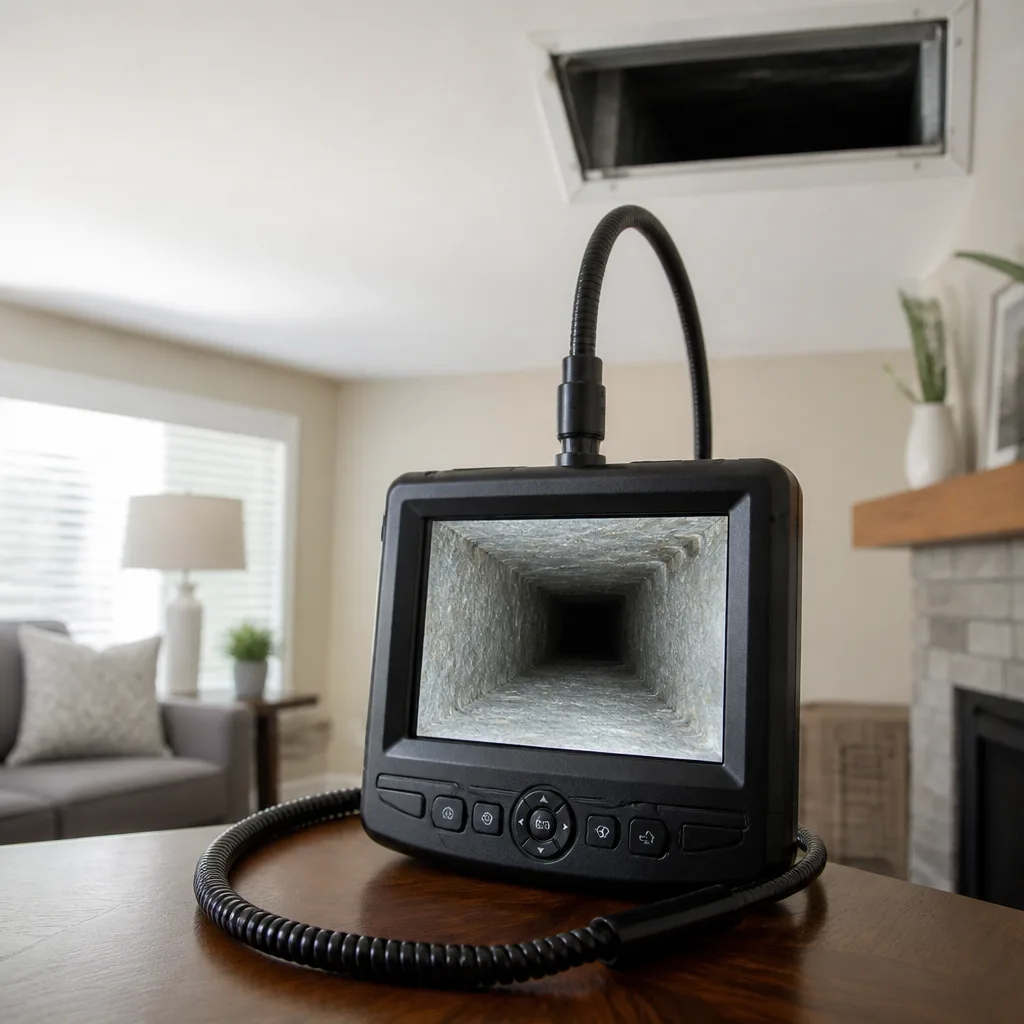 Camera inspection
 Sanitizing & deodorizing
Whole-system duct and dryer vent check with before-and-after photos - you see exactly what came out of your vents
That "$99 whole-house special" is a bait ad - the real number appears once they are in your hallway, or the "clean" is a shop-vac at the register. We photograph the inside of your ducts before and after instead.
How to Hire an Air Duct Cleaning Contractor in Commerce City: A Step-by-Step Guide
Colorado does not require a state license specifically for air duct cleaning. That single fact explains why the quote sheets in this trade all look the same: a hand-drawn diagram, a total, and a signature line. Nothing on that sheet tells you whether the crew will arrive with a professional-grade vacuum system and negative-air containment, or a rented shop vac and a brush on a drill. In this guide we show you the questions that expose the difference before money changes hands: equipment specs and airflow, NADCA membership and ACR certification, what a real inspection looks like, red flags in pricing, and how to lock down a written scope of work. Everything here applies to a Commerce City home or light-commercial building.
Quick Answer
To hire an air duct cleaning contractor in Commerce City, verify the specific cleaning equipment and filtration they use, confirm NADCA membership or ACR certification directly with the association, insist on a pre-service inspection that includes a scope camera and static pressure readings, and get a written scope of work that lists duct count, access points, what’s excluded, and a flat price per system before you pay a deposit. Colorado doesn’t license this trade, so those four checks are effectively the vetting standard. Skip any one of them and you’re comparing paper, not capability.
Styles & brands we work with
- Whole-home duct cleaning
- Dryer vent cleaning
- Camera inspection
- Sanitizing & deodorizing
Table of Contents
- Why Colorado Doesn’t License Air Duct Cleaning (and What That Means for You)
- The Equipment Questions That Actually Matter
- NADCA Membership and ACR Certification: The Closest Thing to a Standard
- What a Legitimate Pre-Service Inspection Looks Like
- Red Flags in a Quote
- How to Structure a Written Scope of Work
- What “Done Right” Looks Like After the Job
- When Cleaning Isn’t Enough: Repair, Sealing, and Sanitizing
Why Colorado Doesn’t License Air Duct Cleaning (and What That Means for You)
Colorado regulates electricians, plumbers, and HVAC contractors who handle refrigerant, but air duct cleaning as a category falls outside those licensing requirements. A crew can legally knock on doors in Commerce City, hand out a coupon, and run a brush through your supply trunks without holding any credential the state recognizes. That’s not a loophole in the law so much as a gap: the trade grew up faster than the regulation did, and the licensing bodies never caught up.
For homeowners, the practical consequence is this: no state database will tell you whether the person washing your ducts is a trained technician or a first-week laborer. The verification burden sits with you.
It also means the low quote and the professional quote can look identical on paper. Both say “clean all ducts.” Both promise to remove dust and debris. The difference lives in the equipment, the containment, and the inspection, which is why this guide spends most of its words on those three things.
One more consequence worth naming: because there’s no license to lose, the operators most likely to cut corners have no incentive to improve. That’s why we lean on verifiable equipment brands and association credentials rather than state paperwork. If a contractor can tell you exactly what CFM their negative air machine pulls and what HEPA rating sits on the exhaust, they’ve told you more about their operation than any license number ever would.
What “Licensed and Insured” Actually Verifies
- General liability insurance: protects your home if something gets damaged. Ask for a certificate of insurance and verify the policy is current.
- Workers’ comp: protects you if a technician is injured on your property. Worth asking about even though few homeowners do.
- HVAC contractor licensing: applies to refrigerant work, not duct cleaning. A crew without it can still clean ducts legally.
- NADCA membership and ACR certification: trade-body credentials, not state ones. Voluntary, verifiable, and meaningful.
You’ll see “licensed and insured” on nearly every quote in Commerce City. What that usually means is the operator holds a general business license and carries liability coverage. Useful, but not a quality signal. The quality signal is elsewhere.
The Equipment Questions That Actually Matter
Ask any contractor who quotes your Commerce City home three specific questions about their equipment, and listen carefully to how they answer. A professional will answer in technical terms. An unqualified operator will pivot to price.
1. Is the vacuum truck-mounted or portable, and what’s the CFM?
CFM stands for cubic feet per minute, the measure of how much air the vacuum moves. Truck-mounted units generally pull higher CFM than portable negative air machines, but the better question is whether the machine is truly designed for duct cleaning or repurposed from another trade. Systems like Rotobrush and Nikro are engineered specifically for residential duct work: rotary brush agitation inside the duct, matched vacuum on the return, and the ability to clean short and long runs without disassembly.
Portable negative air machines such as those from Abatement Technologies run at lower CFM than a truck mount but offer something a truck can’t: flexible placement. In Commerce City homes with long duct runs, tight mechanical closets, or second-floor systems far from the driveway, portable containment often gives cleaner results. The right answer is never just “bigger.”
2. What filters the exhaust air?
A vacuum without proper filtration on the exhaust pushes fine particulate back into the living space. Ask what HEPA rating sits on the discharge. HEPA (high-efficiency particulate air) filtration captures particles at 0.3 microns with 99.97% efficiency at that size when the filter meets the standard. If the crew can’t tell you the filter class, they’re not serious about containment.
3. How do you contain dislodged debris during cleaning?
This is negative-air containment: creating a pressure differential so that dust pulled loose during cleaning gets captured rather than dispersed. Professional operators use air filtration equipment on-site, not just the vacuum. Most residential cleaners skip this step entirely. Ask specifically.
Equipment checklist for your quote
- Name the vacuum system used (Rotobrush, Nikro, or comparable)
- CFM rating of the machine
- HEPA class on the exhaust filter
- Negative-air containment equipment used on site
- Whether agitation is rotary brush, air whip, or both
- Camera equipment for pre- and post-cleaning verification
We use Rotobrush and Nikro systems along with Abatement Technologies filtration equipment for exactly this reason: each answers a question a homeowner is entitled to ask. If your quote sheet can’t answer these six items, ask.
NADCA Membership and ACR Certification: The Closest Thing to a Standard
The National Air Duct Cleaners Association (NADCA) publishes the industry’s reference standards for how duct cleaning should be performed. The Air Systems Cleaning Specialist (ASCS) certification is NADCA’s technician credential, and the Air Duct Cleaning Residential (ACR) certification is the company-level credential. Together they form the closest thing to a vetting standard in a trade with no state licensing.
NADCA’s standard for the assessment and cleaning of HVAC systems lays out how a job should be scoped, executed, and verified. A contractor who follows it will already be doing most of what this guide recommends.
How to verify NADCA membership and ACR in real time
- Go to NADCA’s website while you’re still on the phone with the contractor.
- Search the company name in the member directory.
- Ask for their ACR certificate number and confirm it matches the listing.
- Ask for the technician’s ASCS certification if they claim one.
- Note whether membership is current or expired in the directory.
Membership is voluntary. Plenty of capable operators don’t belong. But a contractor claiming membership who can’t be found in the directory, or whose membership lapsed, has told you something important. In Commerce City, where no state credential exists to check, this directory is the fastest verification step available.
What membership doesn’t prove
- It doesn’t guarantee the equipment on the truck is professional-grade.
- It doesn’t guarantee the crew doing the work is trained.
- It doesn’t guarantee containment or negative air on every job.
- It doesn’t replace the pre-service inspection.
Treat NADCA verification as one box on the checklist, not the whole checklist. It rules out the worst operators. The equipment and inspection questions rule out the rest.
What a Legitimate Pre-Service Inspection Looks Like
Any contractor worth hiring will inspect before quoting. The inspection should take twenty to forty minutes and it should produce evidence you can look at on the spot. If the contractor walks in, glances at a couple of vents, and hands you a number, they’ve quoted the price rather than the job.
Scope camera inspection
A borescope or scope camera goes inside the duct. The technician shows you the interior on screen: the lining, the seams, any visible buildup, moisture, pest evidence, or disconnected sections. You should see before-video or photos and understand what was found. No camera, no inspection.
Static pressure check
Static pressure is a measure of how hard the blower is working to push air through the system. A technician with a manometer reads it at the return and supply side and compares to expected values for your system. High static pressure signals restriction: clogged coils, undersized returns, crushed flex duct, or severe buildup. This number tells you whether you’re paying for a cleaning or a repair.
System mapping
The technician diagrams the duct layout: how many trunks, how many branches, where the returns are, where the air handler sits, and what is accessible without cutting. This becomes the basis of the scope of work. A proper map means the quote reflects the actual system, not a guess.
Other elements of a serious inspection
- Verification of register and grille count
- Air handler and coil condition assessment
- Visible moisture or microbial growth check
- Dryer vent routing check, if included
- Photographs of any concerns, for your records
Commerce City homes near older commercial strips often have systems where the air handler is squeezed into a closet or the return shares space with a furnace flue. A proper inspection catches these conditions because they change how the job should be done, and they change the scope.
Red Flags in a Quote
Red flags aren’t always loud. Some are the most polite sentences on the page. Here’s what to watch for.
Flat pricing that ignores duct count
A quote that doesn’t account for how many trunks, branches, and registers your home has isn’t pricing a service, it’s pricing a marketing impression. A single system with four registers and a system with nineteen registers are not the same job. If the quote doesn’t reflect this, ask why.
Per-vent pricing
Per-vent pricing turns the job into a metered transaction. You get a low teaser for the base fee, then each vent adds to the total. The bill at the end has no relationship to the quote at the beginning. Ask instead for one flat price per system, with duct count confirmed during inspection.
Antimicrobial upsell before inspection
If anyone offers to “treat” your ducts with a chemical before they’ve looked inside, they’re selling, not diagnosing. Microbial growth in residential ductwork is a real thing, but it’s established by inspection and photos, not assumed. Sanitizing is a legitimate service when the inspection calls for it. Before inspection, it’s a pitch.
Subcontracting to uncredentialed crews
Some companies take the call and send a different crew. Ask directly whether the person arriving at your door is employed by the company or subcontracted. If subcontracted, ask for that company’s name and credentials and verify them the same way. A callback number and a website are not credentials.
Other red flags worth noting
- Refuses to provide a written scope of work
- Asks for a large deposit before inspection
- Can’t name the vacuum equipment being used
- No physical address on paperwork
- Pressure to sign “today only” or lose the price
- No before-and-after photos promised
- Pressures you with health language but won’t show you the camera
A common soft signal: the quote is composed of vague line items like “sanitize system” without a description of the sanitizing agent, or “fully clean” without an equipment description. The more specific the paperwork, the more specific the work will be.
How to Structure a Written Scope of Work
Before any deposit changes hands, you should have a document in front of you that describes what will happen, to what, with what, in what order. This is the scope of work. It protects both sides and gives you a document to hold the contractor to.
What your scope of work should include
- System description: number of trunks, branches, returns, and registers, plus the air handler location.
- Access methods: how the crew will access the system (existing openings versus cuts), and whether they will restore any cuts.
- Equipment list: vacuum system, agitation method, HEPA filtration class, negative-air containment equipment.
- Inspection results: the camera findings and static pressure readings, summarized.
- Cleaning scope: exactly which components get cleaned (trunks, branches, registers, plenum, air handler, coil, blower).
- Disinfection/sanitizing scope, if included, with product and method.
- Repair and sealing scope, if recommended, with the specific areas to be sealed.
- Exclusions: components excluded, with reasons (for example, inaccessible duct behind finished drywall, or a zone the crew isn’t equipped for).
- Verification: before-and-after photos or video, post-cleaning pressure reading.
- Price: one flat price for the described system, in writing, with a note on how the price changes if the inspection finds a different system condition.
Why exclusions matter as much as inclusions
A scope of work that claims to cover “the whole system” without listing what’s excluded is worth less than one that names the limits. Exclusions tell you the contractor has actually thought about your building. If the crew can’t reach behind the finished ceiling, write it down and agree on what happens instead. If the air handler isn’t in the scope, say so. Agreement before the job prevents the mid-job price conversation that everyone dreads.
Ask for the scope of work in writing before any deposit. A crew that resists putting the scope on paper is telling you that the price is negotiable in their favor after arrival. A crew that writes it down is telling you the price is a number they can defend.
What “Done Right” Looks Like After the Job
The job ends when the crew presents evidence, not when they leave. Ask for these specific deliverables:
- Before-and-after photos of the duct interior, from at least one branch and one trunk.
- Post-cleaning static pressure reading, compared to the pre-cleaning number.
- A written summary of what was cleaned, what was excluded, and what conditions were found.
- Any recommended next steps (repair, sealing, sanitizing), in writing.
What to look for during the walkthrough
The technician should be able to point to which ducts were cleaned and which weren’t. They should be able to show you the access points they used and confirm they were sealed after. If they can’t walk you through the system they just worked on, that’s a data point. Ask for the photos even if they don’t offer them.
The photos aren’t just verification, they’re a baseline. If a similar question comes up again in a few years, you’ll have a reference of what the system looked like when it left the job and how the interior surfaces are supposed to look. Clean ducts are only half the job; knowing what your system actually looks like is the other half.
If repairs, sealing, or sanitizing are recommended at the end of the job, the recommendation should be tied to specific photos or pressure readings, not to a general “your ducts could be cleaner.” A professional walks out of the door with a document, not a pitch.
When Cleaning Isn’t Enough: Repair, Sealing, and Sanitizing
Cleaning removes what’s there. It doesn’t fix why the debris got there in the first place. Common culprits: disconnected flex duct inside the attic, crushed runs behind drywall, seams that leak at every joint, and returns sized too small for the blower. Cleaning a leaking system just puts clean air into the attic.
Duct repair and sealing
Duct repair addresses disconnected sections, crushed runs, and pest damage. Duct sealing addresses the many small leaks that don’t show as a single visible failure. Sealed seams and joints keep conditioned air inside the system where it belongs. Together, repair and sealing address the root causes that cleaning alone can’t touch.
Air quality and sanitizing
Sanitizing is a different job from cleaning. Cleaning removes dust and debris with agitation and vacuum. Sanitizing applies a treatment to address microbial growth or odor at the duct level. It’s relevant for households managing allergies or asthma, for post-renovation dust, and for buildings with persistent odor from the HVAC system. It should be recommended based on inspection, not offered as an add-on at the quote.
Companies that offer air duct cleaning, drying vent service, HVAC cleaning, repair, and sanitizing together can address the system as a whole rather than sending you to a second contractor for the parts the first didn’t cover. Our service menu reflects that: five categories, one provider. When your dryer vent cleaning reveals a crushed line, the same team that cleans the ducts can fix it. When HVAC cleaning uncovers a coil that’s failing, we can say so and recommend the next step.
Whole-home air quality hardware
Cleaning and sanitizing are services. Filtration, humidification, and ventilation sit on top. Brands like Honeywell and Aprilaire make hardware that integrates with residential systems to filter, humidify, or ventilate at the whole-home level. Familiarity with both means the technician can integrate upgrades at the same visit as the cleaning, rather than leaving you to coordinate a second appointment.
If you’re asking about whole-home filtration upgrades alongside the cleaning, mention it during the inspection. Repairs, sealing, and upgrades should be scoped in the same document as the cleaning, so the price on the sheet is the price you see.
Common Mistakes to Avoid
- Booking based on the coupon. The coupon price isn’t the price; it’s the entry point. Ask for the flat price per system, in writing, based on your duct count. Every Commerce City homeowner we work with has seen at least one coupon that turned into a much larger invoice on arrival.
- Not verifying NADCA membership. Fly-by contractors can claim membership without holding it. The directory is searchable in under a minute; check it while you’re still on the phone.
- Accepting a quote without an inspection. A quote that arrives before any camera goes into the duct is a number, not a scope. Insist on the inspection or walk away.
- Paying a deposit before the scope of work. The order should be: inspection, written scope, agreement, deposit, cleaning. A deposit asked for before the scope means the price is negotiable after arrival – in the contractor’s favor.
- Accepting per-vent pricing. Per-vent pricing hides the real cost. One flat price per system is the structure that gives you a defensible number.
- Skipping the post-cleaning walkthrough. If the crew leaves without showing you before-and-after photos and a pressure reading, you have no evidence the work was done. Ask for both before they pack up.
- Treating sanitizing as routine. Sanitizing has a real place in duct work, but it should be recommended based on what the inspection found. A contractor offering it before the camera goes in is selling, not scoping.
- Comparing on price alone. The cheapest quote and the professional quote are often a mile apart in equipment, containment, and inspection hours. Price is a signal of what’s included, not what it’s worth.
See the difference
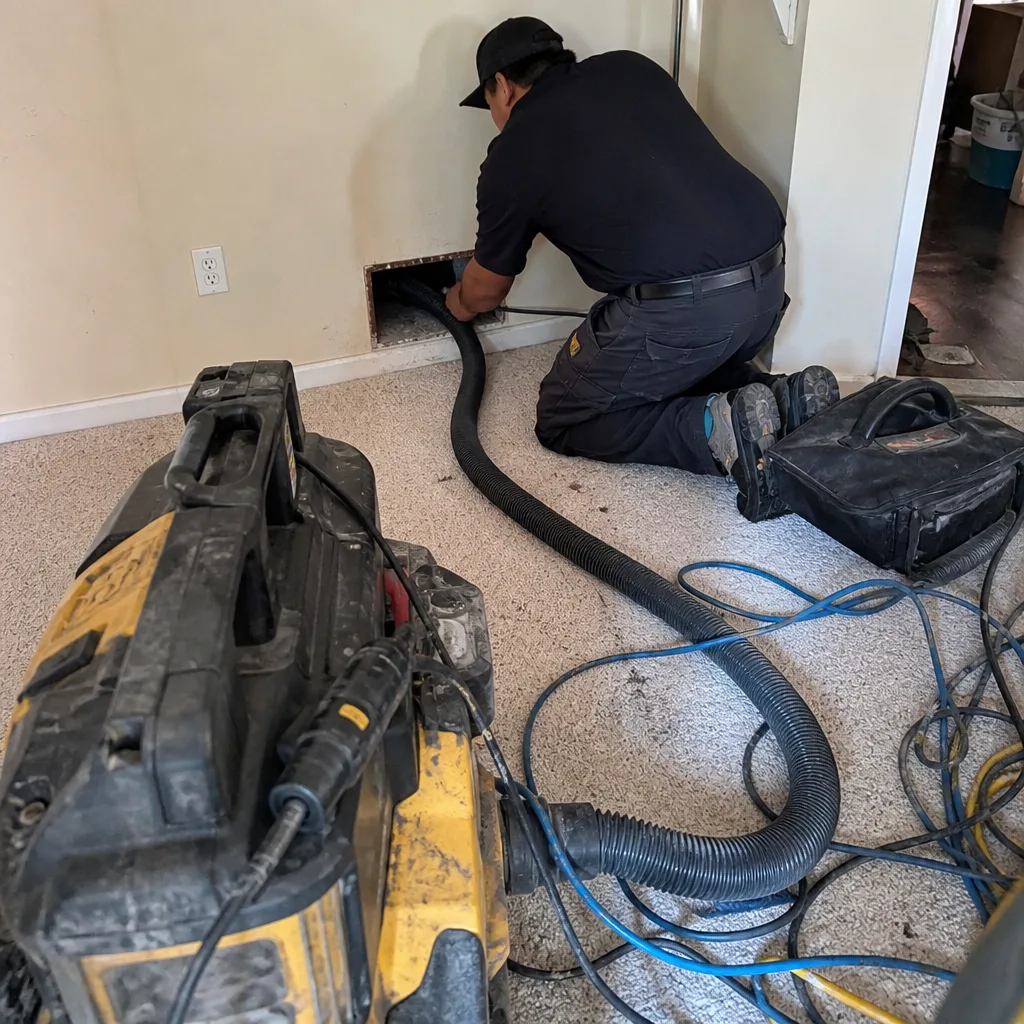 Before
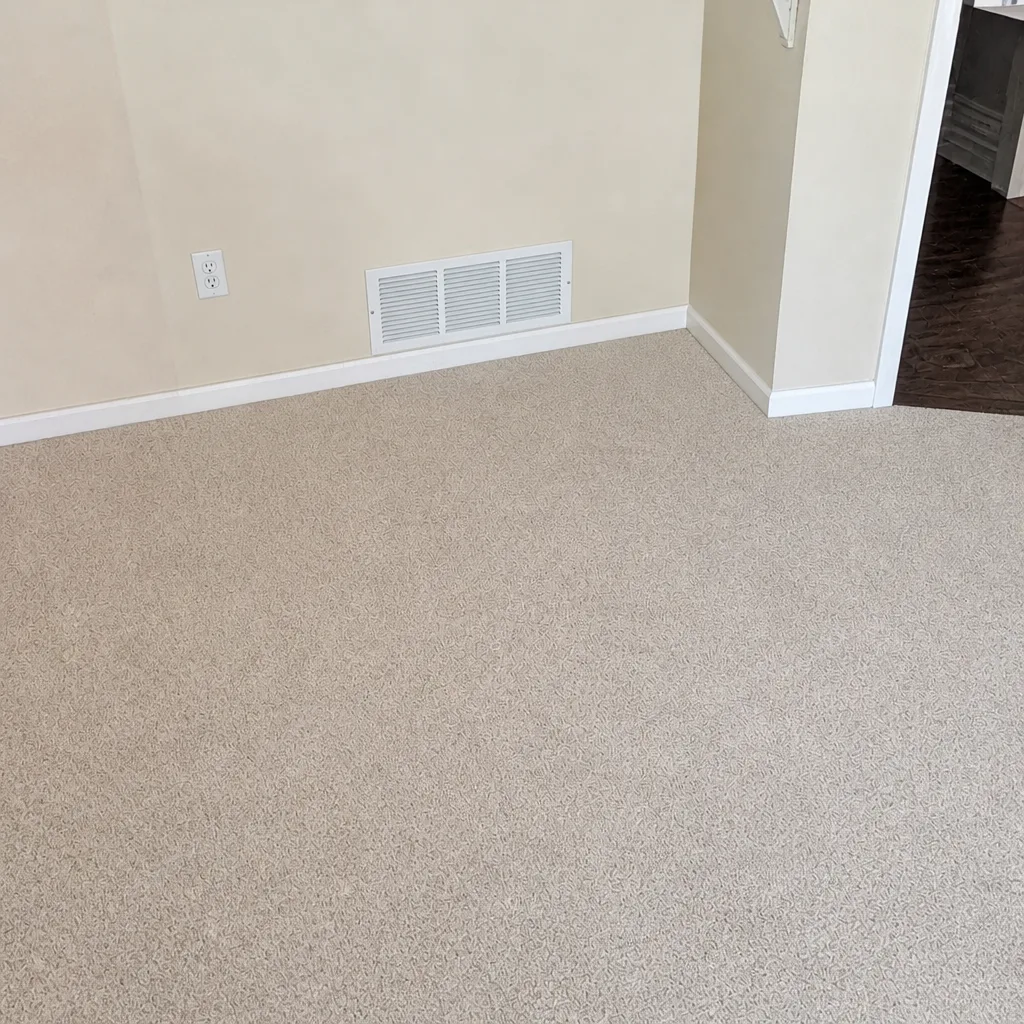 After
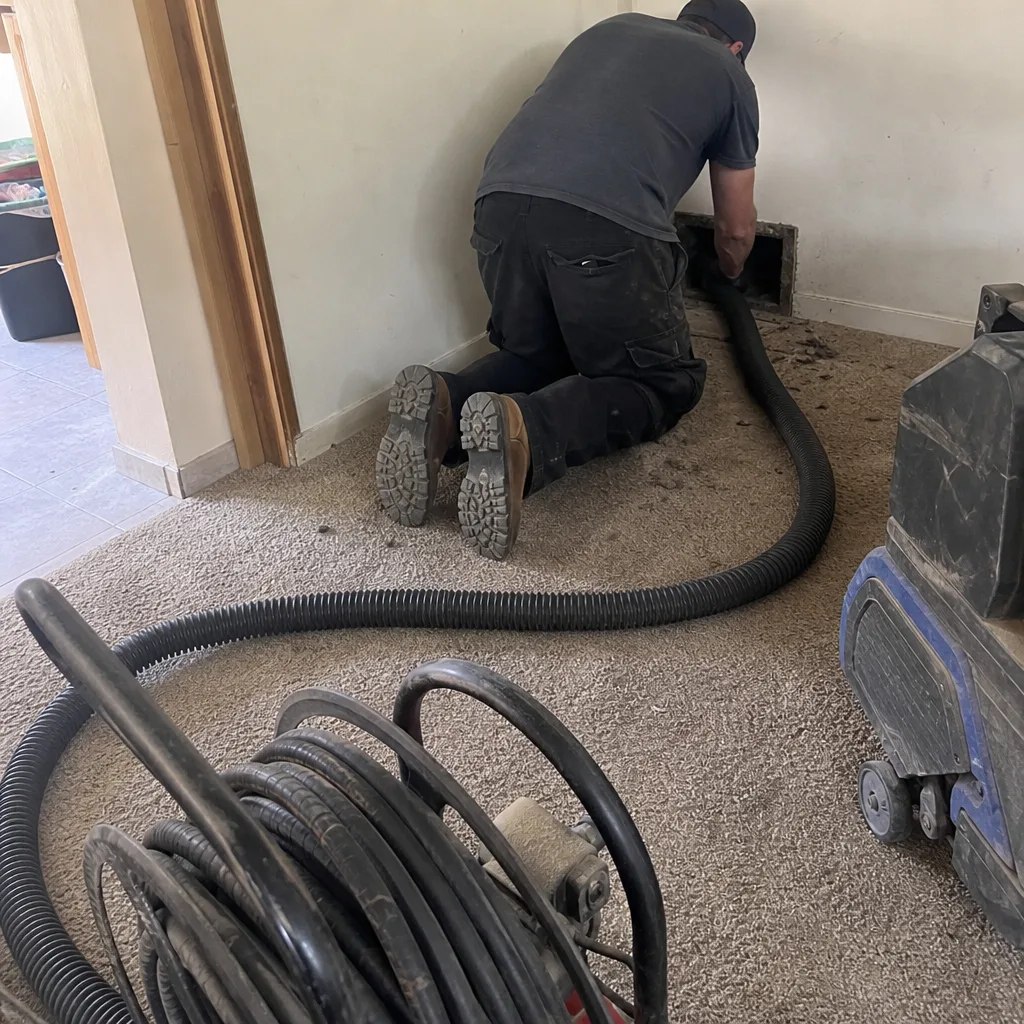 Before
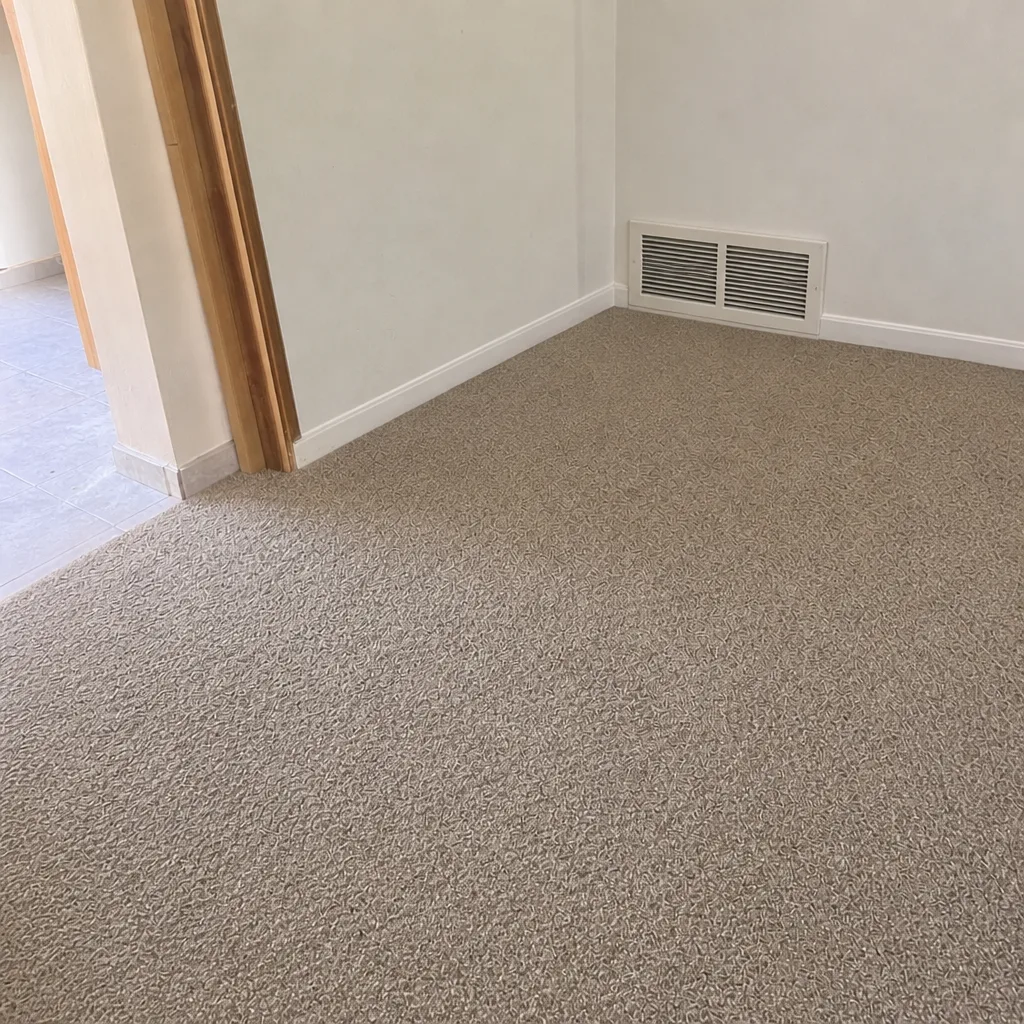 After
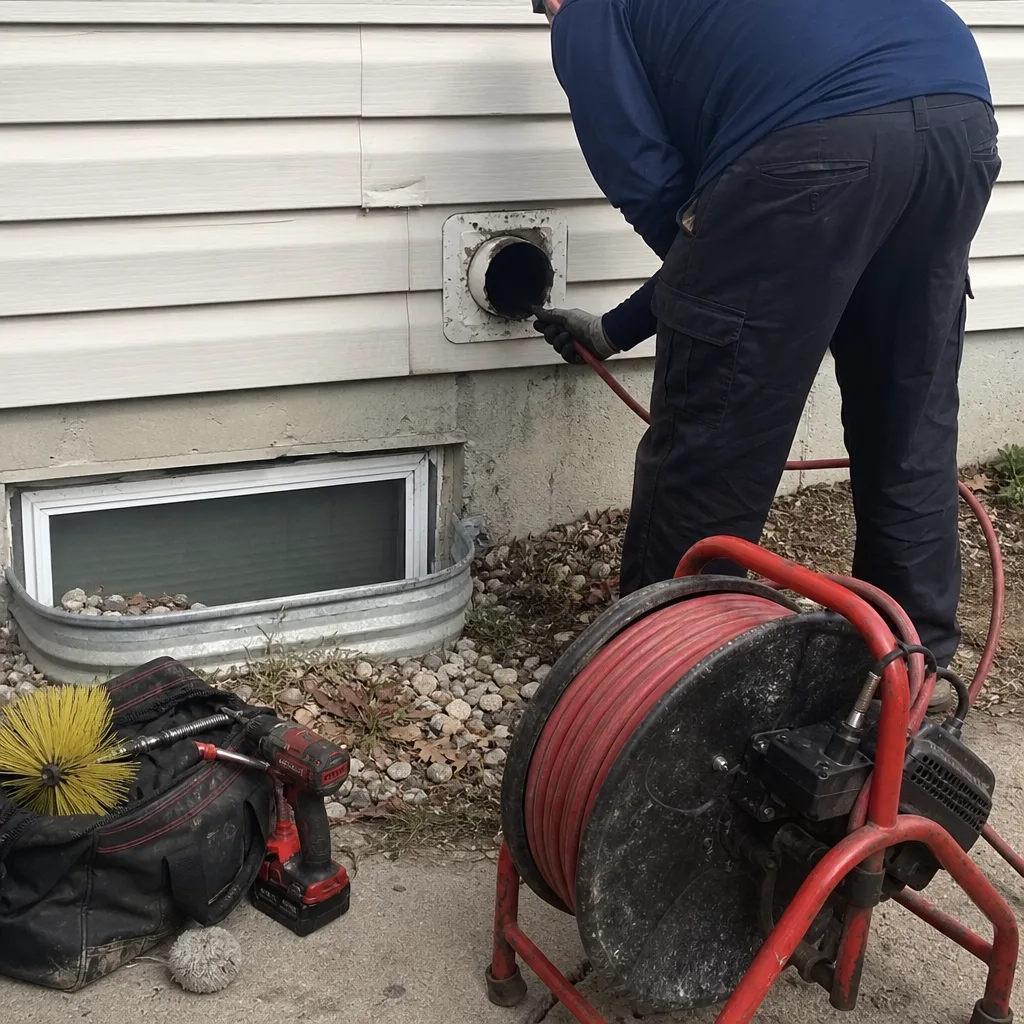 Before
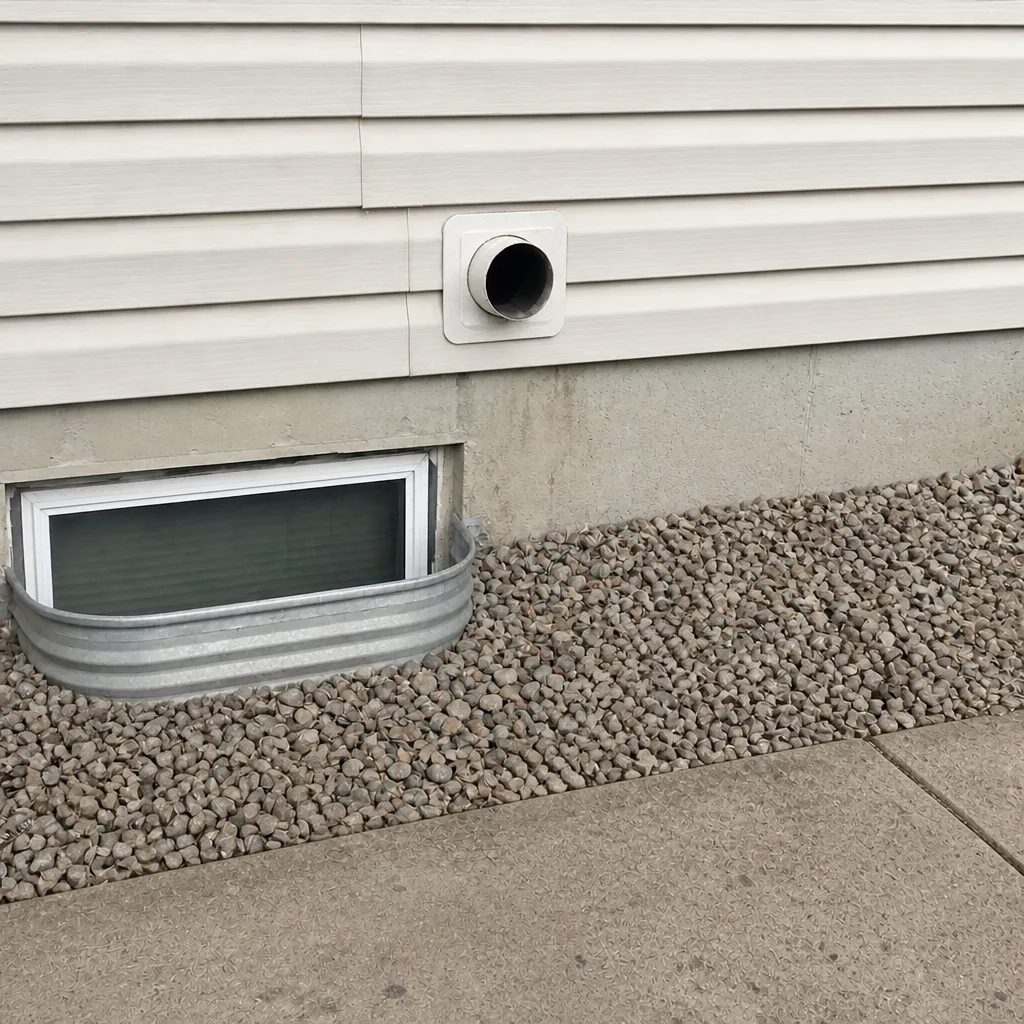 After
When to Call a Professional
Some problems announce themselves. A persistent dust layer that returns within days of cleaning, a musty smell from the registers, visible debris blowing out at the supply, a recent renovation that pushed drywall dust through the system, or allergy symptoms that flare when the HVAC runs. Any of these justify an inspection and a professional assessment of the whole system rather than another round of surface cleaning.
Others are quieter. Rising energy bills without a change in use, rooms that never quite heat or cool evenly, or a static pressure reading from your own technician that came back higher than expected. A scope camera inspection is the only reliable way to see what’s actually inside the duct. Cleaning isn’t a routine calendar item; it’s a response to evidence. If your Commerce City home or commercial space has that evidence, the next call should be to a professional who can show you the system on camera before quoting the job.
Commerce City Air Duct Cleaning Pros offers free estimates in Commerce City. Call (844) 625-7459. We answer 24/7. Fast dispatch from 7am to 7pm, Sunday through Friday.
Frequently Asked Questions
Air duct cleaning in Commerce City is priced per system, based on duct count, system condition, and access. Most jobs are priced by a single flat rate after inspection rather than by vent. For an exact quote, call (844) 625-7459 – estimates are free.
Cheaper quotes usually reflect a smaller scope, lighter equipment, or pricing structured to expand on arrival. A quote without an inspection, without equipment specifics, or structured as per-vent pricing is the one to question. Ask what vacuum system and what HEPA-rated exhaust filter the quote includes. Call (844) 625-7459 for a quote that’s flat per system and written down.
Verify NADCA membership in the association’s online directory, confirm the ACR credential number, and ask about the specific equipment being used on your job. Those three checks together rule out most of the market. Our technicians have up to 9 years of experience, and we work with Rotobrush, Nikro, and Abatement Technologies equipment. Call (844) 625-7459 for details on what your system will see.
Truck-mounted vacuums generally pull higher CFM; portable negative air machines like those from Abatement Technologies move less air but give flexibility in tight or long-run systems. Neither is universally better. What matters is that the machine is designed for duct cleaning, that agitation is included, and that HEPA filtration sits on the exhaust. Call (844) 625-7459 to talk through which arrangement fits your Commerce City home.
Ask for before-and-after photos of the duct interior, a post-cleaning static pressure reading, and a written summary of what was cleaned and what was excluded. Any professional can produce all three. If a crew leaves without offering them, ask. Call (844) 625-7459 to schedule an inspection where the findings are shown to you in real time.
There’s no universal interval. Homes with pets, recent renovations, allergy or asthma in the household, or heavy seasonal dust tend to warrant inspection more often than homes without those factors. The right schedule is based on inspection, not the calendar. Call (844) 625-7459 for a free estimate on a scope-camera inspection and a recommendation based on what your Commerce City system actually shows.
The Bottom Line
In a state that doesn’t license this trade, the questions you ask are the vetting standard. Ask what equipment cleans the duct and what filters the exhaust. Ask for the CFM and HEPA class. Verify NADCA membership and the ACR certificate in the association’s directory. Insist on a scope-camera inspection with static pressure readings before any quote. Get a written scope of work that lists duct count, access, exclusions, and a flat price per system before any deposit. These four moves separate the serious operators from everyone else, and they work in Commerce City exactly the way they work everywhere. Cleaning is a service; the paperwork around it is the proof.
Commerce City Air Duct Cleaning Pros operates across Commerce City covering Commerce City air duct cleaning pros and the wider metro market, and the equipment and standards above are the ones our technicians use on every job. Explore more on the parent page for our full service menu. We answer 24/7. Fast dispatch from 7am to 7pm, Sunday through Friday. Call (844) 625-7459 for a free estimate and one flat price per system agreed before work starts.
Written by the team at Commerce City Air Duct Cleaning Pros.