
Last updated November 25, 2026
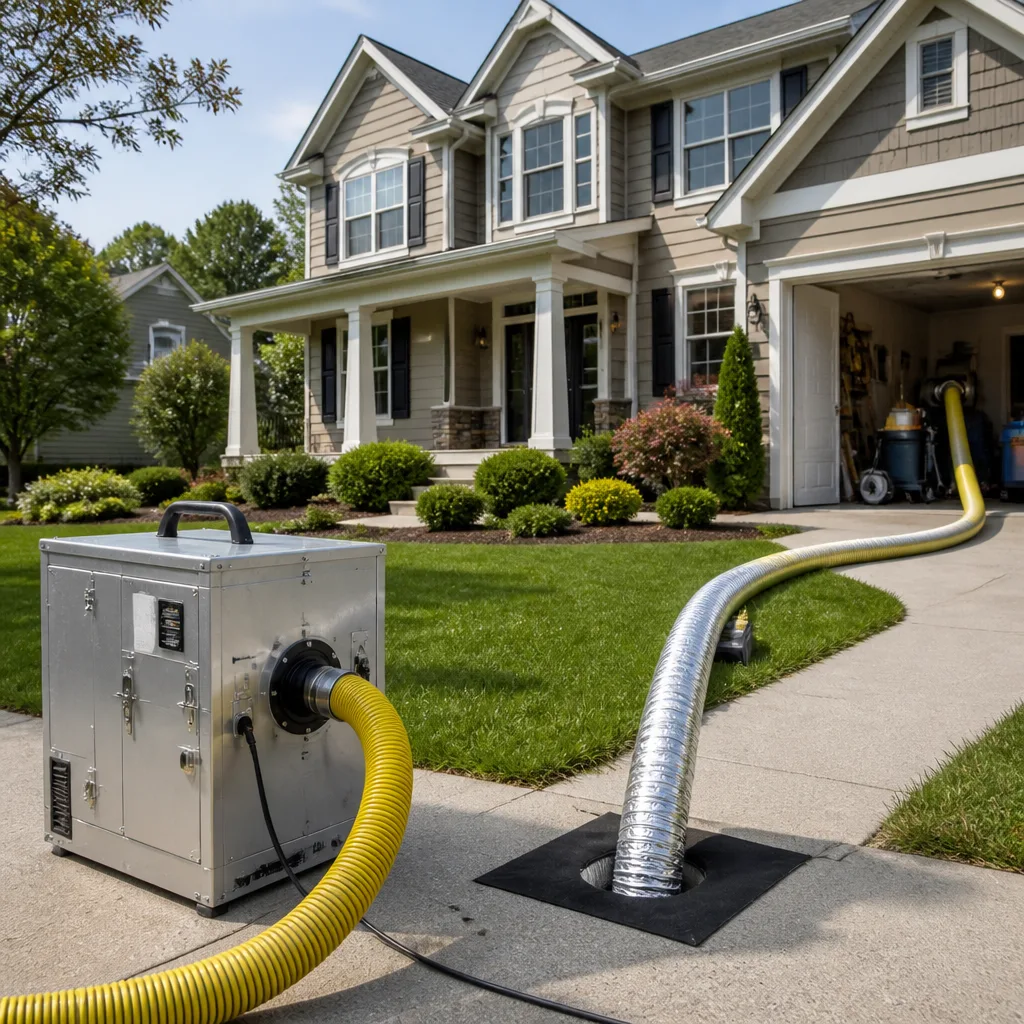 Whole-home duct cleaning
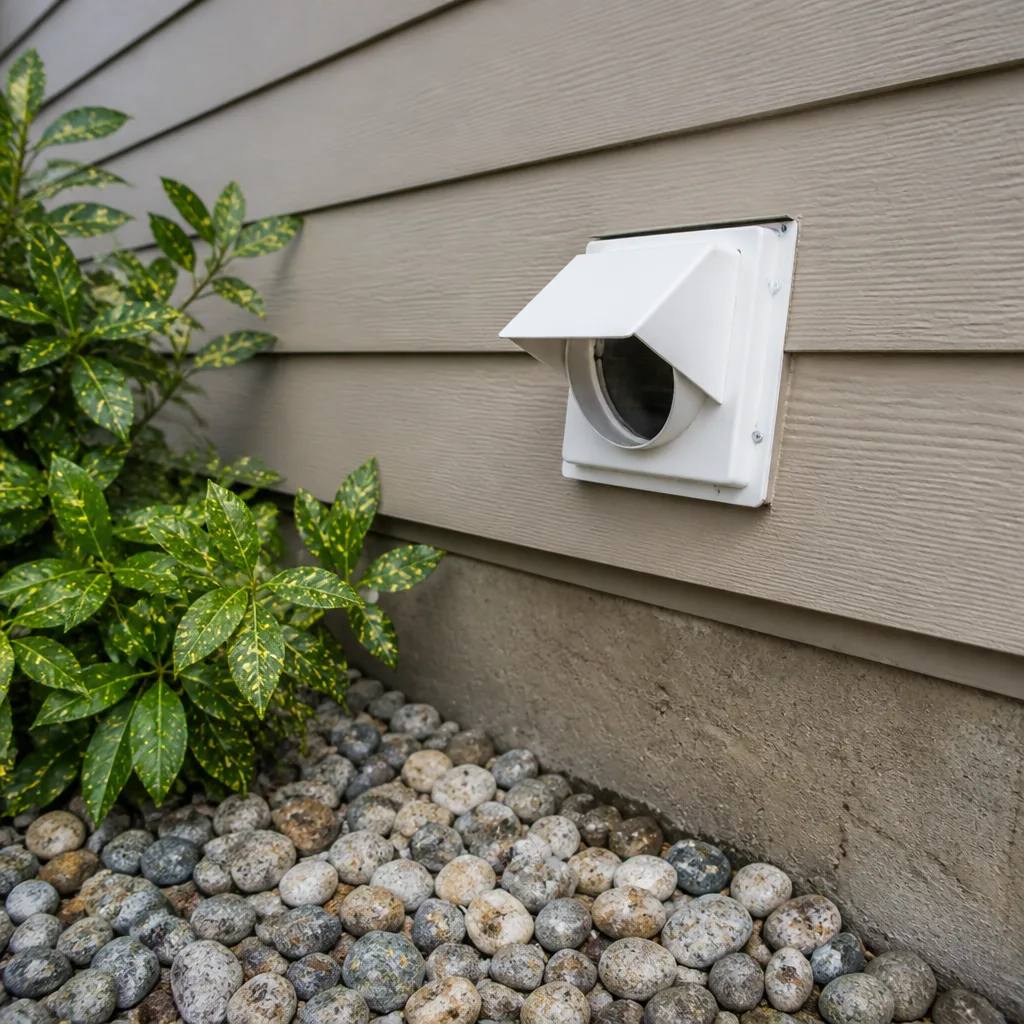 Dryer vent cleaning
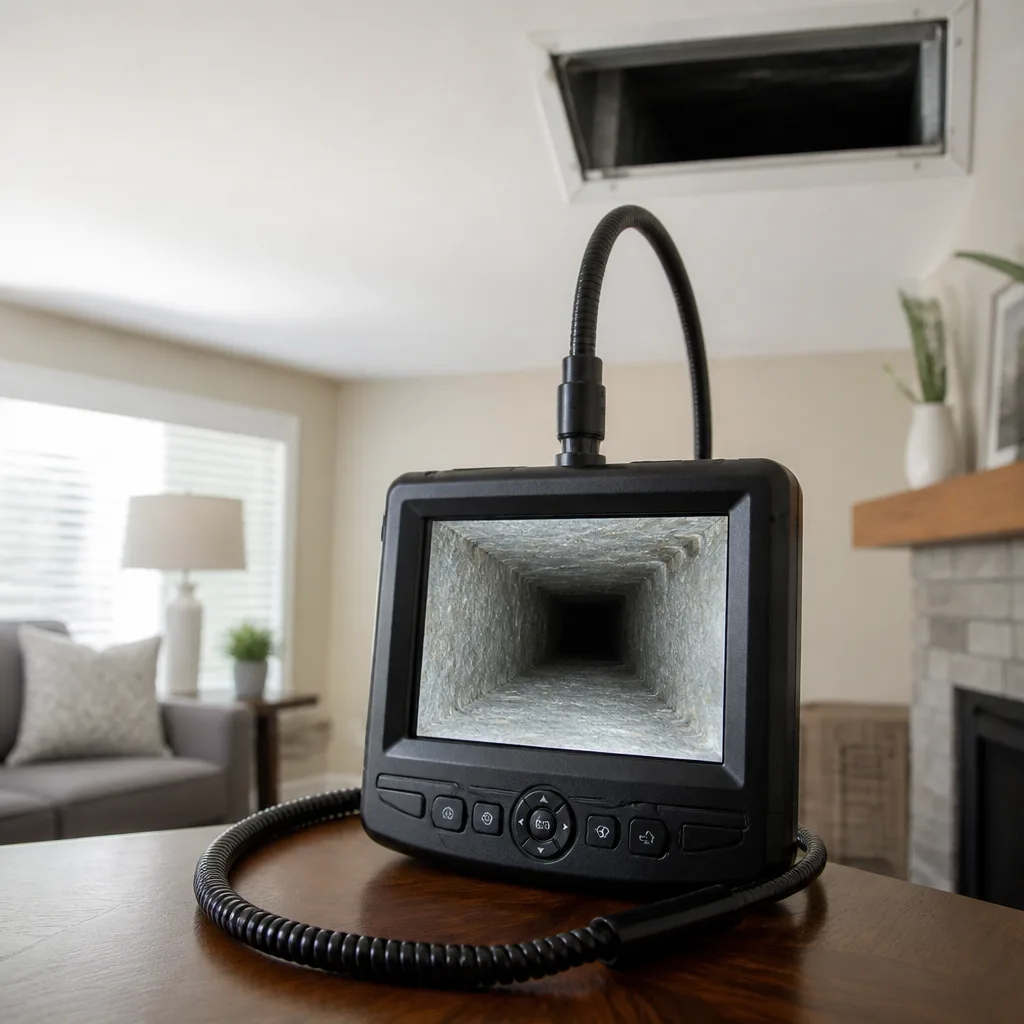 Camera inspection
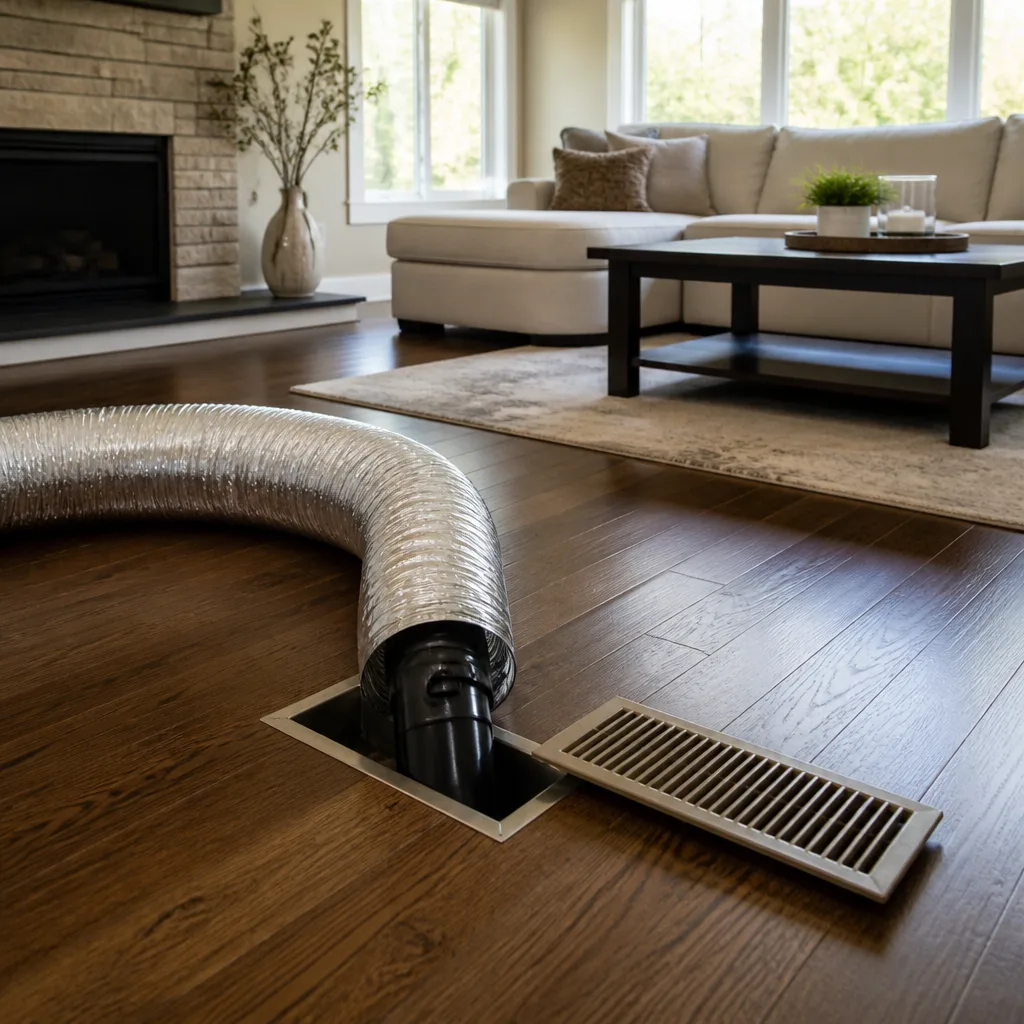 Sanitizing & deodorizing
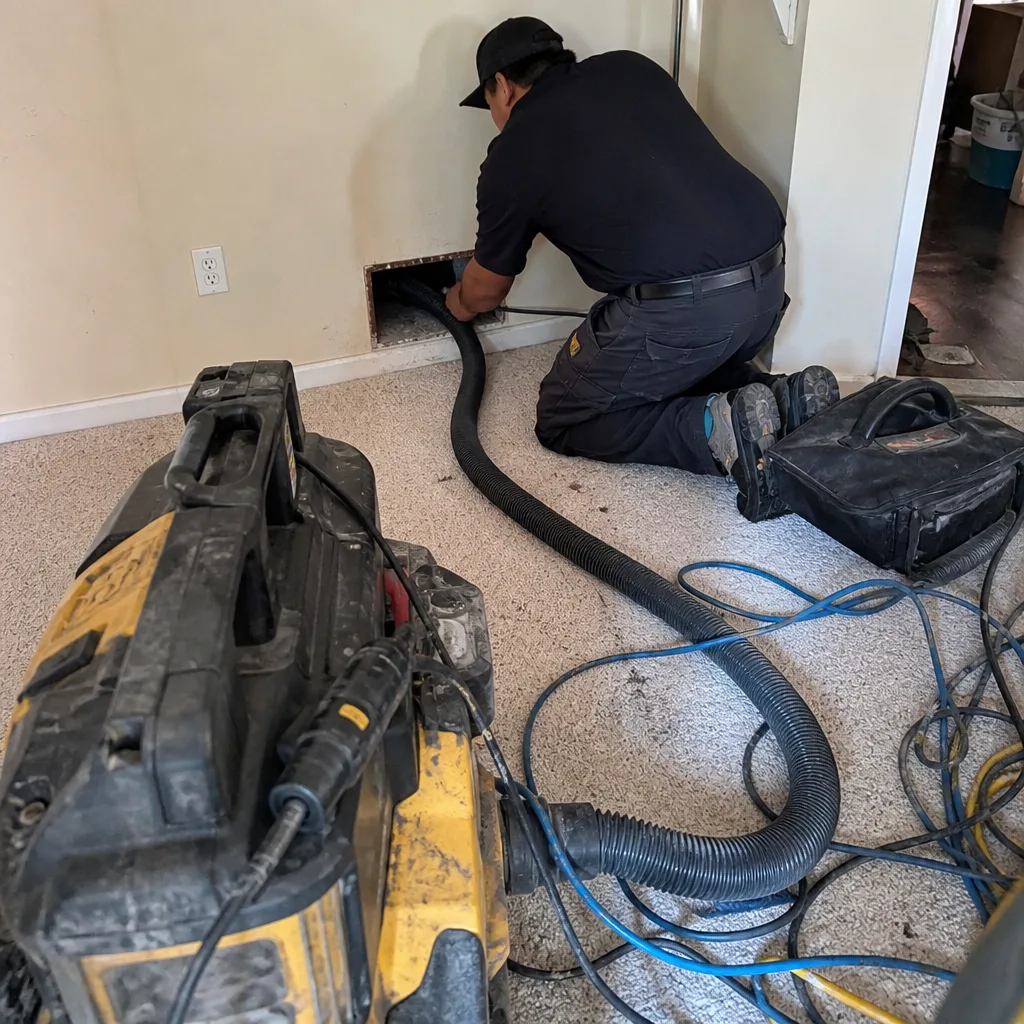
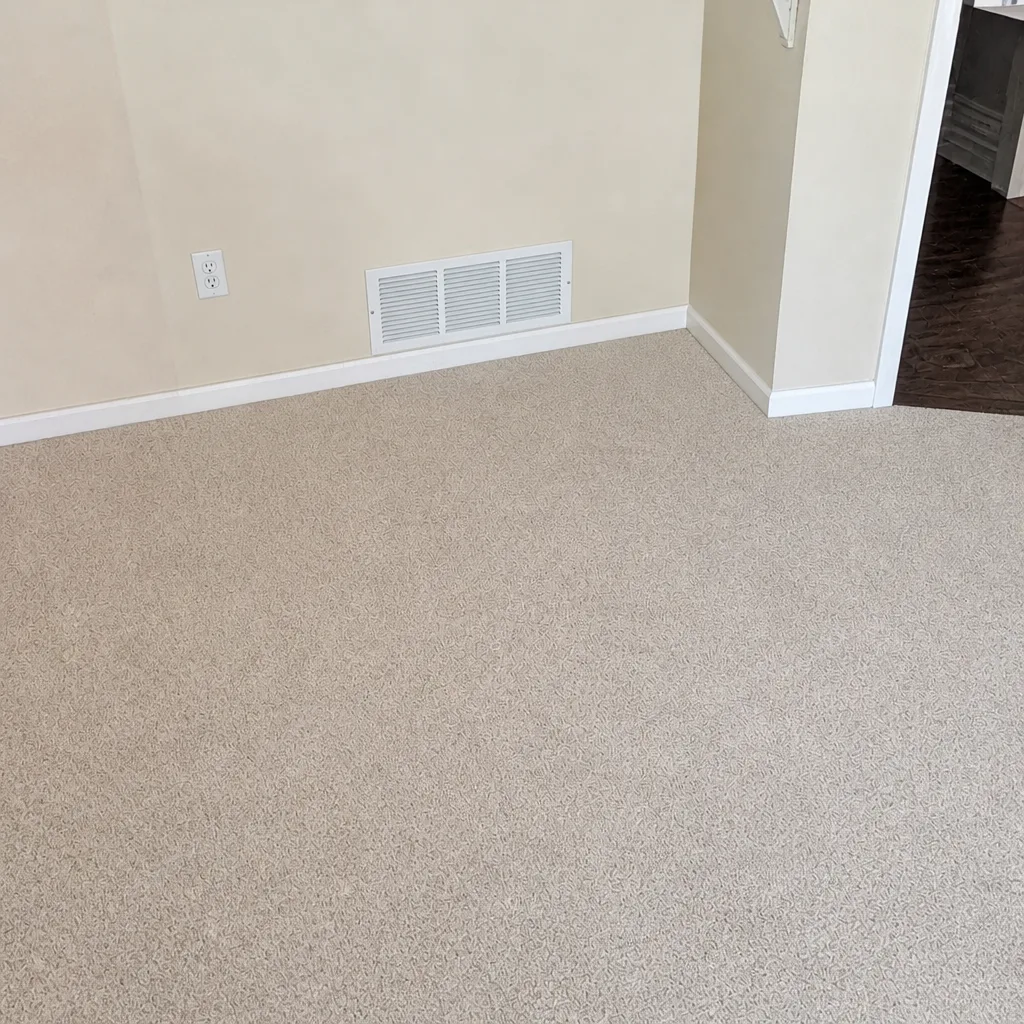
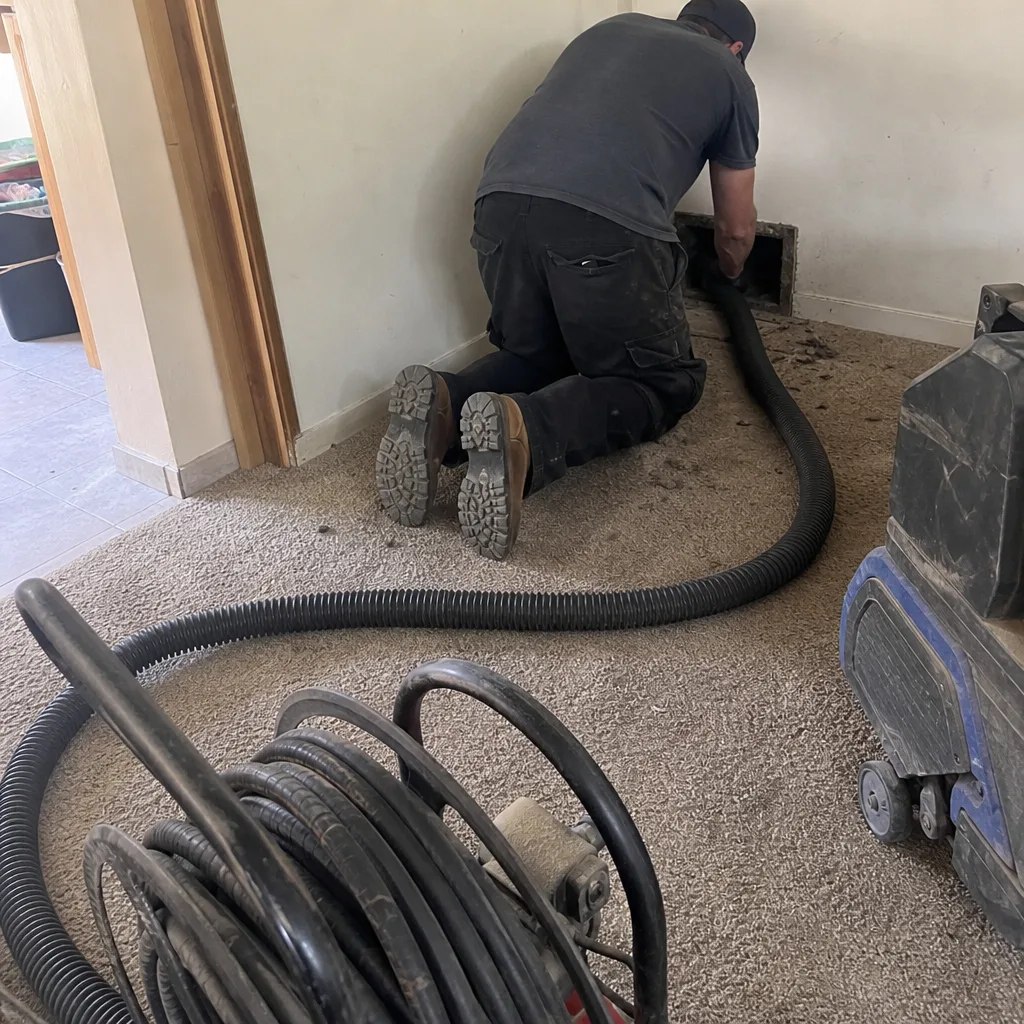
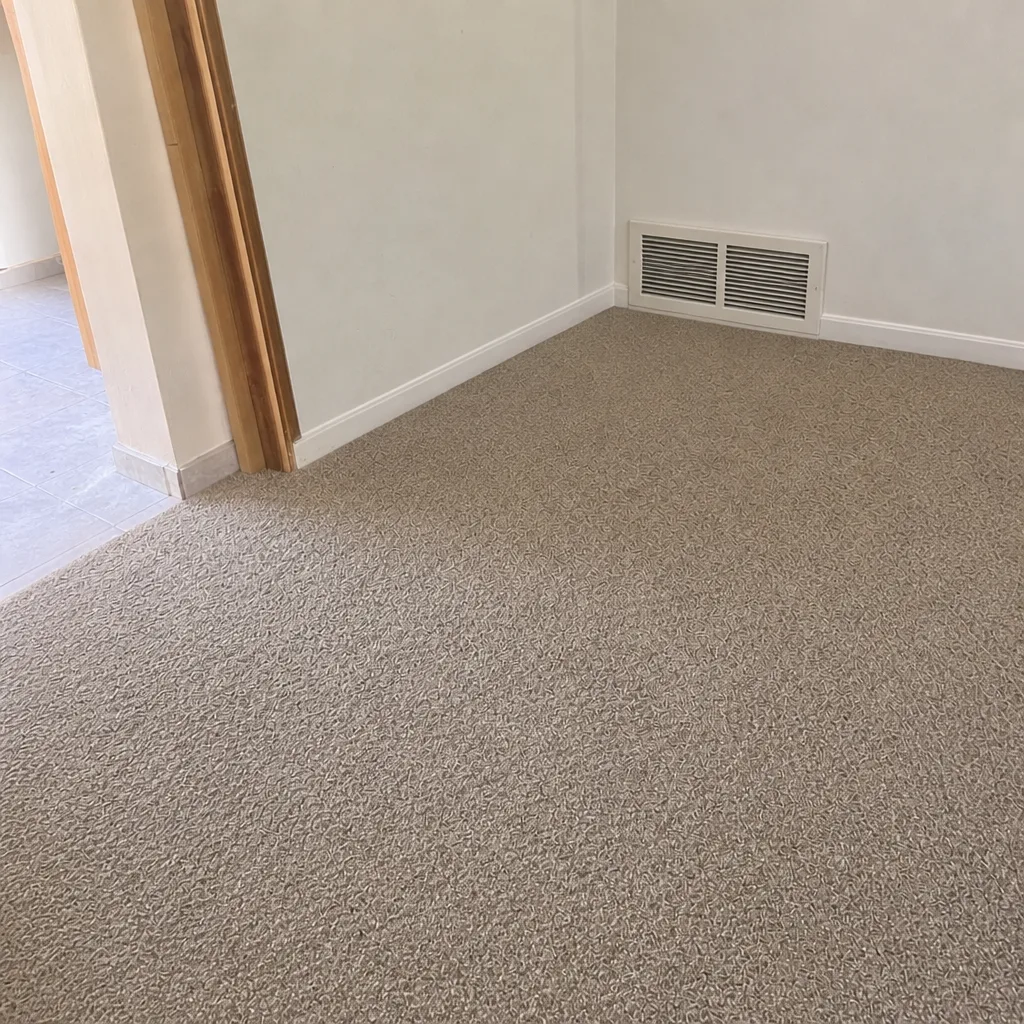
Whole-system duct and dryer vent check with before-and-after photos - you see exactly what came out of your vents
That "$99 whole-house special" is a bait ad - the real number appears once they are in your hallway, or the "clean" is a shop-vac at the register. We photograph the inside of your ducts before and after instead.
DIY vs Professional Air Duct Cleaning: The Commerce City Homeowner’s Decision Guide
Most homeowners assume the choice between DIY and professional air duct cleaning comes down to skill or budget. It doesn’t. It comes down to airflow physics. A shop vac pulls roughly 100 to 150 cubic feet per minute. A professional negative air machine moves 2,000 to 4,000 CFM while holding the system under vacuum. That gap isn’t a technique difference you can close with a better nozzle or more patience. It’s the difference between redistributing dust and actually removing it from the system. In Commerce City, where high particulate loads and older flex duct runs are common, that distinction matters more than in most places. This guide explains what DIY really accomplishes, where it legitimately fits, and where it becomes counterproductive.
Quick Answer
DIY air duct cleaning can wipe down registers and vacuum the reachable first few feet of duct, but it cannot achieve source removal because consumer vacuums don’t generate enough negative pressure to pull settled debris from the full system. Professional cleaning uses truck-mounted or high-capacity negative air equipment with containment, which is why it removes what DIY leaves behind. In Commerce City, the combination of high dust loads and aging flex duct makes professional equipment the more reliable choice for anything beyond surface maintenance.
Styles & brands we work with
- Whole-home duct cleaning
- Dryer vent cleaning
- Camera inspection
- Sanitizing & deodorizing
Table of Contents
- The CFM Gap: Why Equipment Physics Decides This
- What DIY Cleaning Actually Accomplishes
- When DIY Becomes Counterproductive
- Why Commerce City Conditions Raise the Stakes
- A Decision Framework: DIY, Professional Cleaning, or Professional Diagnosis
- What Professional Duct Cleaning Involves, Step by Step
- When Cleaning Isn’t Enough: Repair, Sealing, and Sanitizing
- Common Mistakes to Avoid
The CFM Gap: Why Equipment Physics Decides This
Source removal is the standard the duct cleaning industry measures itself against. It means extracting the accumulated debris from inside the ductwork, not just knocking it loose. Getting there requires sustained negative pressure across the whole system while an agitation tool breaks debris free. The vacuum has to be strong enough to hold that debris in suspension and carry it to a collection point, and the containment has to be tight enough that none of it escapes into your living space.
Here’s how the equipment actually compares:
- Shop vac: roughly 100 to 150 CFM of open airflow, dropping sharply as the hose lengthens and the filter loads. No system-wide vacuum seal. No HEPA containment on most units.
- Consumer duct cleaning kits: attach to a shop vac and add a whipping brush. The brush agitates debris, but the airflow behind it is the same 100 to 150 CFM. Debris gets stirred and partially collected.
- Professional negative air machines: 2,000 to 4,000 CFM, connected to the system so the entire duct run is under vacuum. Paired with air filtration units that capture dislodged particles at the source.
The equipment matters as much as the airflow number. Rotobrush and Nikro systems are built specifically for duct interiors, with rotary agitation and controlled vacuum that commercial HVAC contractors rely on. Abatement Technologies air filtration equipment adds negative-air containment during the job, so particles dislodged from the ducts are captured rather than pushed into the rooms you’re trying to protect. That containment step is where most residential cleaning falls short, and it’s the step that determines whether the job is genuinely done.
What DIY Cleaning Actually Accomplishes
A register wipe-down and a careful vacuum of the first accessible section of duct is worthwhile maintenance, and we’d never tell a homeowner to skip it. It handles the visible layer of dust at the supply vents, keeps the grilles from crusting over, and gives you a reason to look inside the system once in a while. If your ducts were professionally cleaned recently and you’re maintaining between service intervals, this is a reasonable routine.
Where DIY fits legitimately:
- Register and grille cleaning. Remove the covers, wash them, and vacuum the boot opening just behind the register.
- Return air filter changes. The single highest-value maintenance task a homeowner can do. A clean filter protects the blower and keeps the coil from loading up.
- Surface dust around vents. Wiping the ceiling or floor around the register stops dust from being drawn back into the system.
- Visual checks. A flashlight and a phone camera into the first duct run can reveal loose insulation, pest debris, or obvious buildup worth a closer look.
There’s real value in those narrow tasks, and knowing what they are keeps you from spending a free afternoon on work that can’t succeed. The key distinction: you’re managing what’s reachable, not cleaning the system. The main trunk line, the branch runs feeding every room, and the plenum above the air handler stay out of reach of a shop vac no matter how long the hose is.
When DIY Becomes Counterproductive
Some DIY attempts don’t just fall short. They make things worse, and the damage isn’t always obvious until later. The whipping brush that seems like a smart upgrade is the usual culprit: it agitates debris loose, but the shop vac behind it can’t capture the volume it’s dislodging. That material settles back into the ducts, sometimes in a different location than where it started.
The specific risks worth knowing:
- Disturbing settled microbial growth. If there’s mold or bacterial growth inside the ductwork, agitation without proper containment aerosolizes spores into the living space. Sanitizing after the fact doesn’t undo the exposure. Growth at the duct level needs diagnosis before anything is disturbed.
- Dislodging duct insulation. Older flex duct has a thin internal liner, and rotary brushes at the wrong speed or pressure can tear it. Once the liner is compromised, the duct sheds fibers into the airstream and usually needs replacement, not another cleaning.
- Masking a bigger problem. Ducts that refill with dust quickly are telling you something. Leaky joints, an undersized return, a blower issue, or a poorly sealed plenum are common causes. Cleaning the ducts without diagnosing the cause means the buildup returns and the real issue keeps costing you efficiency.
- Contaminating the living space. Without negative-air containment, everything you loosen has to go somewhere. Usually that’s the room.
If you notice musty odors, visible growth, or dust returning within weeks of any cleaning attempt, stop and get a professional diagnosis. That’s not a cleaning problem anymore.
Why Commerce City Conditions Raise the Stakes
Commerce City sits where the plains meet the Front Range, and the local environment loads HVAC systems harder than a lot of places. Wind-driven particulate from surrounding industrial and open-land areas, dry air that keeps dust airborne longer, and seasonal pollen all add to what collects in ductwork. Homes here tend to accumulate debris faster, and the debris tends to be finer, which means it stays suspended longer and penetrates deeper into the system.
Housing stock adds another variable. Many Commerce City homes, especially in older neighborhoods, have flex duct systems that have been in service long enough to develop sagging runs, loose connections, and internal liner wear. Flex duct is efficient when it’s installed well and in good condition. When it isn’t, it traps debris at the low points and at every sag, and those are exactly the places a shop vac can’t reach. Professional equipment with proper agitation and vacuum handles those runs without the risk of tearing a liner that’s already stressed.
We’ve seen the difference firsthand doing air duct cleaning across Commerce City neighborhoods: the volume of debris pulled from a system that looked clean at the registers still surprises people. The registers are the easy part. The trunk line and branch runs are where Commerce City’s particulate load actually accumulates. Homes near the heavier commercial corridors tend to show it first, but the pattern holds across most of the city.
A Decision Framework: DIY, Professional Cleaning, or Professional Diagnosis
Not every situation calls for the same response. Here’s how we break it down for homeowners deciding what to do next:
What you can do yourself
- Clean and reinstall register covers
- Change the return air filter on schedule
- Vacuum the boot and the first reachable section of duct behind each register
- Inspect accessible ducts visually with a flashlight
- Keep the area around the air handler clear and dust-free
What requires professional equipment
- Full system cleaning of trunk lines, branch runs, and plenum
- Any job where containment matters, whether due to visible dust, recent renovation, or allergy concerns
- Cleaning flex duct without risking liner damage
- Dryer vent cleaning, which is a separate fire-safety job with its own equipment needs
- HVAC coil and blower cleaning, which requires access most homeowners don’t have
What requires professional diagnosis before any cleaning
- Musty or persistent odors coming from the vents
- Visible growth inside the ductwork
- Dust returning within weeks of cleaning
- Duct joints that are visibly loose, disconnected, or leaking
- Uneven airflow between rooms that a filter change doesn’t fix
That last category is where a cleaning company that also handles repair and sealing adds real value. If the diagnosis points to leaky or damaged ductwork, cleaning alone won’t hold. Our HVAC cleaning work starts with an assessment of the whole system, because a cleaning that ignores a leaking plenum or a collapsing flex run just postpones the problem. We schedule that work Sunday through Friday, 7am to 7pm, and we’re closed Saturday.
What Professional Duct Cleaning Involves, Step by Step
Understanding the process helps you evaluate any quote you receive, whether it’s from us or anyone else. A proper whole-system cleaning follows a consistent sequence, and a company that skips steps usually skips them for a reason.
- System assessment. Identify duct layout, material types, access points, and any visible damage. Note flex versus rigid runs and where the system sags or turns.
- Containment setup. Connect the negative air machine to the system and establish vacuum across the ductwork before any agitation begins. Position air filtration equipment to capture dislodged particles. This is the step that makes the rest safe.
- Agitation. Rotary tools and compressed air work through each branch run, breaking debris loose from duct walls so the vacuum can carry it out.
- Main trunk and plenum. Clean the larger runs and the supply plenum above or beside the air handler, where debris tends to collect at the highest volume.
- Component cleaning. Depending on scope, clean the blower wheel, the evaporator coil, and the drain pan. These are often the real source of odors and efficiency loss.
- Verification. Photo documentation before and after cleaning shows what came out and confirms each section was reached.
- Post-cleaning notes. Flag any duct damage, gaps, or component wear that showed up during the job, with recommendations for repair or sealing.
Equipment matters at every step. Rotobrush systems handle interior agitation without the liner damage risk a generic brush carries. Nikro vacuums provide the sustained pressure needed to hold the whole system under negative air. And the filtration side is where Abatement Technologies equipment earns its place: capturing what’s dislodged is what keeps the job from becoming an indoor air quality problem instead of a solution.
When Cleaning Isn’t Enough: Repair, Sealing, and Sanitizing
Clean ducts are only half the job. Ductwork that leaks at the joints or sags between hangers loses a meaningful share of the air the system produces, and every leak is an entry point for the dust you just paid to remove. Repair and sealing address that root cause, and it’s a service category most cleaning companies don’t offer at all.
The same applies to air quality at the duct level. If there’s microbial growth, musty odor, or lingering contamination from a renovation, sanitizing extends the work beyond dust removal. For households dealing with allergies or asthma, that step often matters more than the cleaning itself. Familiarity with Honeywell and Aprilaire air quality products also means we can integrate whole-home filtration or humidification hardware as part of the same visit, rather than leaving you to coordinate a separate contractor after the ducts are clean.
That full-system approach is the reason we handle five service categories under one roof: cleaning, dryer vent cleaning, HVAC cleaning, duct repair and sealing, and air quality sanitizing. From the blower to the vent, one call covers it all, and you’re not mediating between three contractors each blaming the other for the dust that’s still there. Our technicians have up to 9 years of experience, and each job is priced as one flat rate per system, agreed in writing before any work starts. No per-vent pricing, no coupon that grows at the door, and before-and-after photos of your own ducts when we’re done.
Common Mistakes to Avoid
- Assuming a shop vac can do the job if you’re patient enough. Patience doesn’t change CFM. Two hours with a shop vac still moves 100 to 150 CFM, and the trunk line never sees the hose. The physics doesn’t bend.
- Using a DIY brush kit on flex duct. Flex duct liners tear easily, and Commerce City’s older flex runs are often already stressed. A torn liner means fiber shedding and, usually, duct replacement.
- Skipping the filter change after cleaning. A loaded return filter is the fastest way to undo a clean duct system. Change it the same week, then get back on a normal schedule.
- Cleaning without addressing leaks. Dust that returns within a month is a sign of a leak, not a bad cleaning. Sealing the joints is the fix, and skipping that step wastes the cleaning budget.
- Judging a quote by the headline number. A lower quote that skips containment, plenum access, or component cleaning isn’t the same job at a better price. Ask exactly what’s included and whether negative air equipment is used.
- Ignoring musty odors as a cleaning problem. Odor usually means moisture or growth. Agitating the ducts before diagnosing the cause can spread spores through the house.
- Forgetting the dryer vent. In dry, high-particulate environments, dryer vents load up faster, and they’re a fire-safety item, not just an efficiency one. It’s a separate job from duct cleaning and needs its own equipment.
See the difference
 Before
 After
 Before
 After
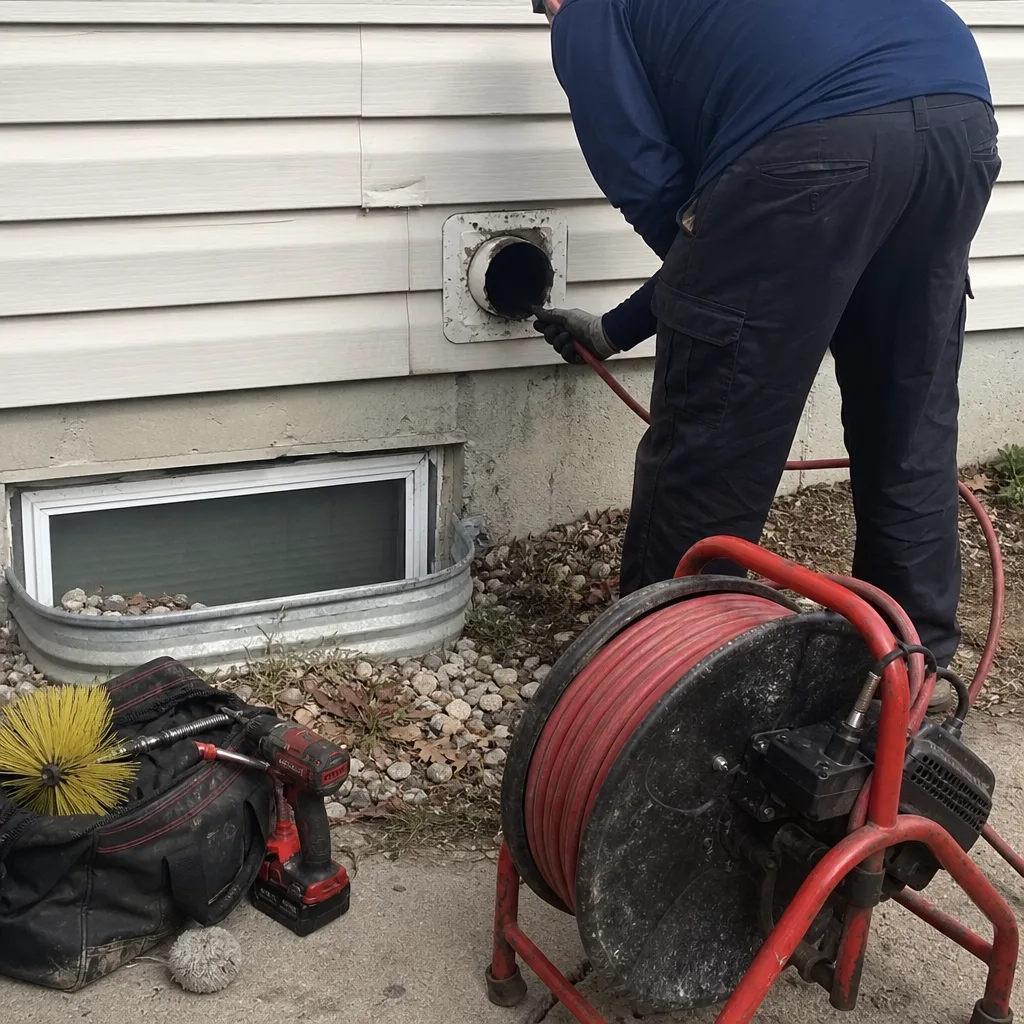 Before
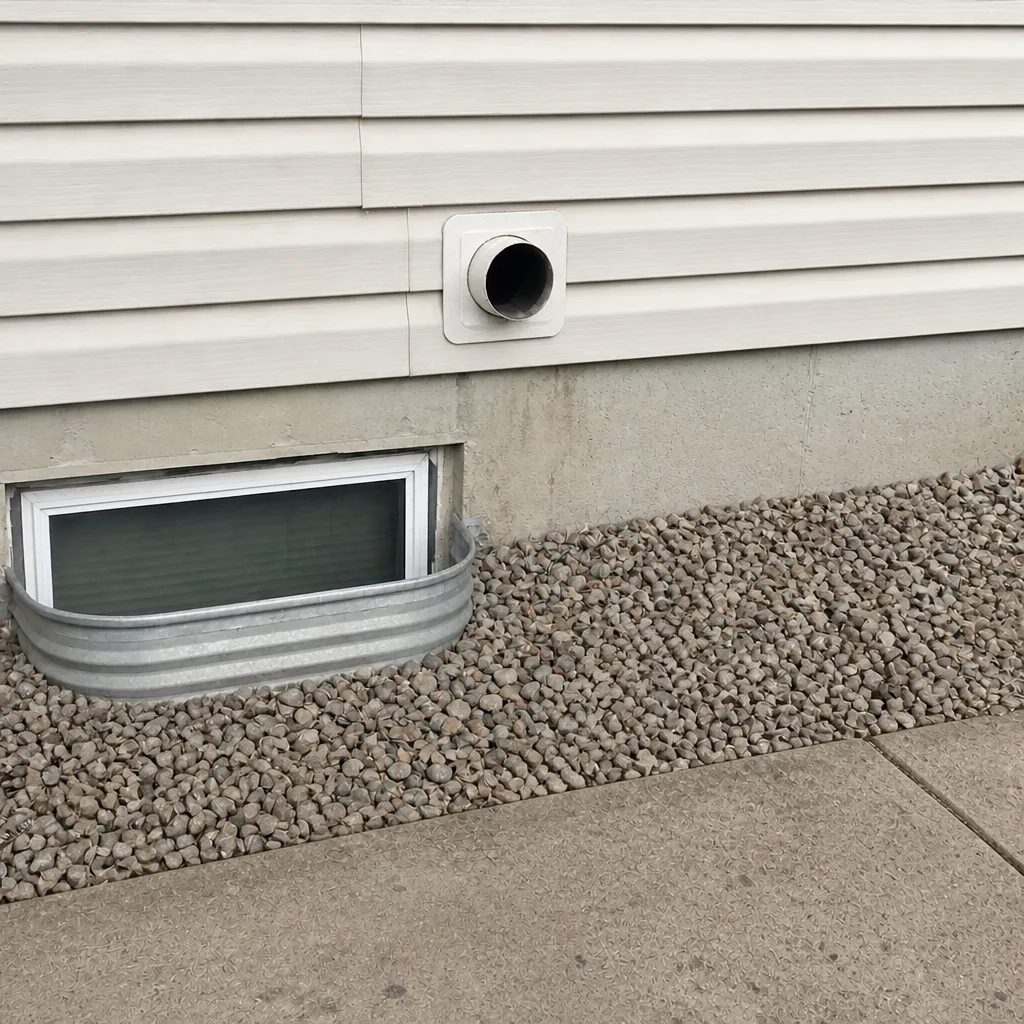 After
When to Call a Professional
Call for professional cleaning when you can see visible dust or debris inside the registers, when the ducts haven’t been cleaned in several years, after any renovation or major construction, or when anyone in the house has allergy or asthma symptoms that might trace back to the air system. Call for diagnosis first, before cleaning, if you smell mustiness, see growth, notice dust returning quickly, or suspect duct damage. And call if your flex duct is older and you’re not sure of its condition, because that’s a judgment call best made with eyes on the actual ductwork. Commerce City Air Duct Cleaning Pros offers free estimates in Commerce City. Call (844) 625-7459. We answer 24/7. Fast dispatch from 7am to 7pm, Sunday through Friday.
Frequently Asked Questions
You can clean the registers and the first reachable section of duct behind each vent, and that’s worth doing. You cannot achieve source removal of the full system with a consumer vacuum, because 100 to 150 CFM isn’t enough negative pressure to pull settled debris from trunk lines and branch runs. Surface maintenance yes, full-system cleaning no. Call (844) 625-7459 for an exact quote on the professional version – estimates are free.
Cost depend on system size, duct condition, and whether repair or sanitizing is included, which is why we set one flat rate per system after seeing the layout and agreeing on scope in writing. There’s no per-vent pricing and no teaser figure that changes once the equipment is set up. Call (844) 625-7459 for a free estimate – the written quote is the final price.
Usually because they’re a different job. A low quote often skips negative-air containment, plenum cleaning, or component cleaning, which are the steps that actually remove debris rather than rearrange it. Ask any company whether they use truck-mounted or high-capacity vacuum equipment and whether they contain dislodged particles with air filtration. If the answer is vague, the cheap price isn’t the same service. Call (844) 625-7459 for a quote that itemizes what’s included.
Ask for before-and-after photos of your own ducts, not stock images. A company using proper equipment can document each section reached and show what came out. We provide those photos as part of the job, and the flat price we agreed to beforehand doesn’t change after the fact. Call (844) 625-7459 to book an estimate.
For most Commerce City homes, every few years is a reasonable rhythm, but local conditions can shorten that. The area’s high particulate load, dry air, and pollen seasons mean debris builds faster than in lower-dust environments, so homes near heavier commercial corridors or with older flex duct may benefit from more frequent attention. If dust is visible at the registers or the system hasn’t been cleaned in several years, it’s worth a look. Call (844) 625-7459 for a free assessment.
We’re closed Saturday and open Sunday through Friday, 7am to 7pm. Weekend requests that fall on Sunday can be scheduled during that window. Call (844) 625-7459. We answer 24/7. A call outside dispatch hours is booked into the next opening, Sunday through Friday, 7am to 7pm.
The local environment loads HVAC systems harder. Wind-driven particulate from the plains and surrounding open land, dry air that keeps dust airborne, and seasonal pollen all speed up accumulation, and many homes have older flex duct that traps debris at sags and low points where consumer equipment can’t reach. That combination is why professional equipment matters more here than in a typical low-particulate market. You can read more about the full range of services on the Commerce City Air Duct Cleaning Pros page, or call (844) 625-7459 for a free estimate.
The Bottom Line
The DIY versus professional decision for duct cleaning isn’t about skill. It’s about whether your equipment can generate enough negative pressure to remove debris from the whole system, and a shop vac can’t. DIY belongs in your maintenance routine for register cleaning, filter changes, and surface dust. Full-system cleaning, flex duct work, containment, repair and sealing, and sanitizing all require professional-grade equipment and, often, professional diagnosis first. In Commerce City, high particulate loads and aging flex duct make that distinction more consequential than in most markets. Get the diagnosis, agree on a flat price per system, and ask for the photos.
Call (844) 625-7459 for a free estimate. We answer 24/7. Fast dispatch from 7am to 7pm, Sunday through Friday. One flat price per system, agreed before work starts, with before-and-after photos of your own ducts.
Written by the team at Commerce City Air Duct Cleaning Pros.