
Last updated November 25, 2026
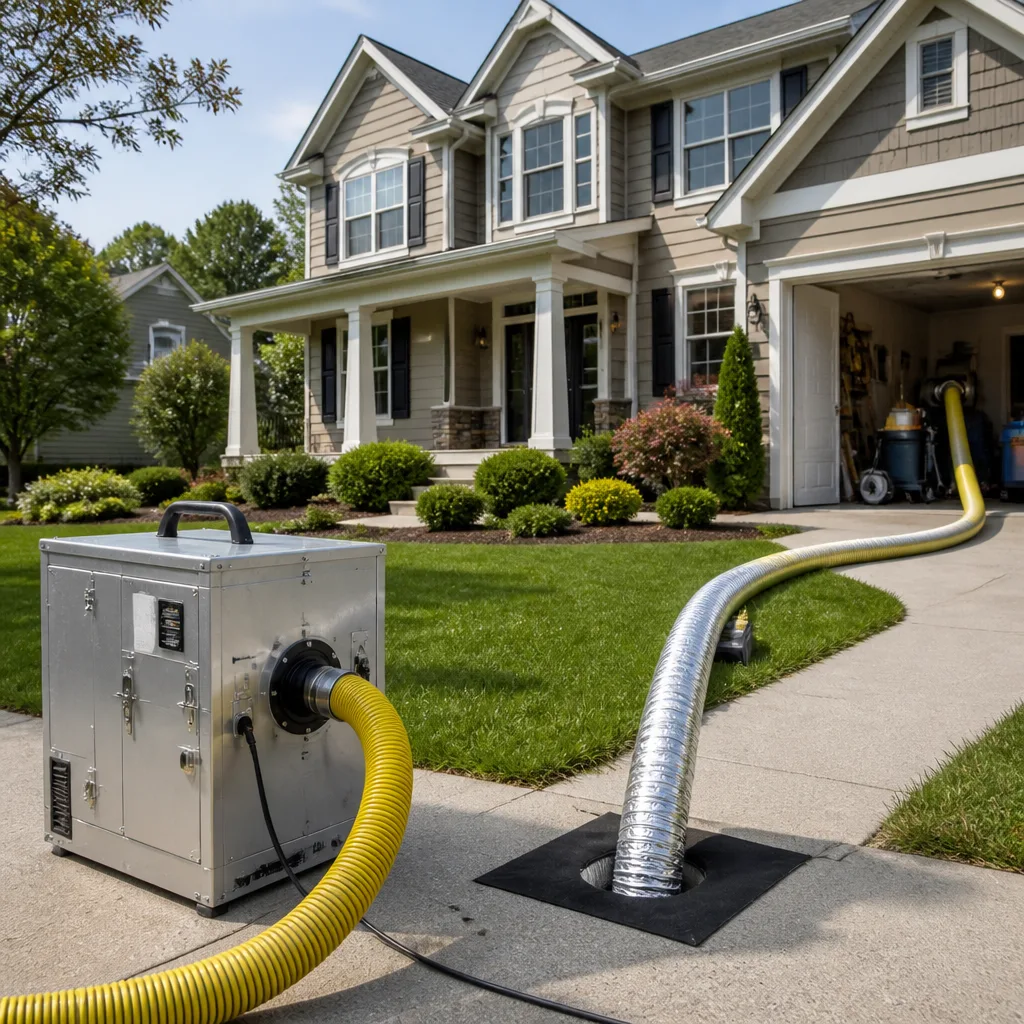 Whole-home duct cleaning
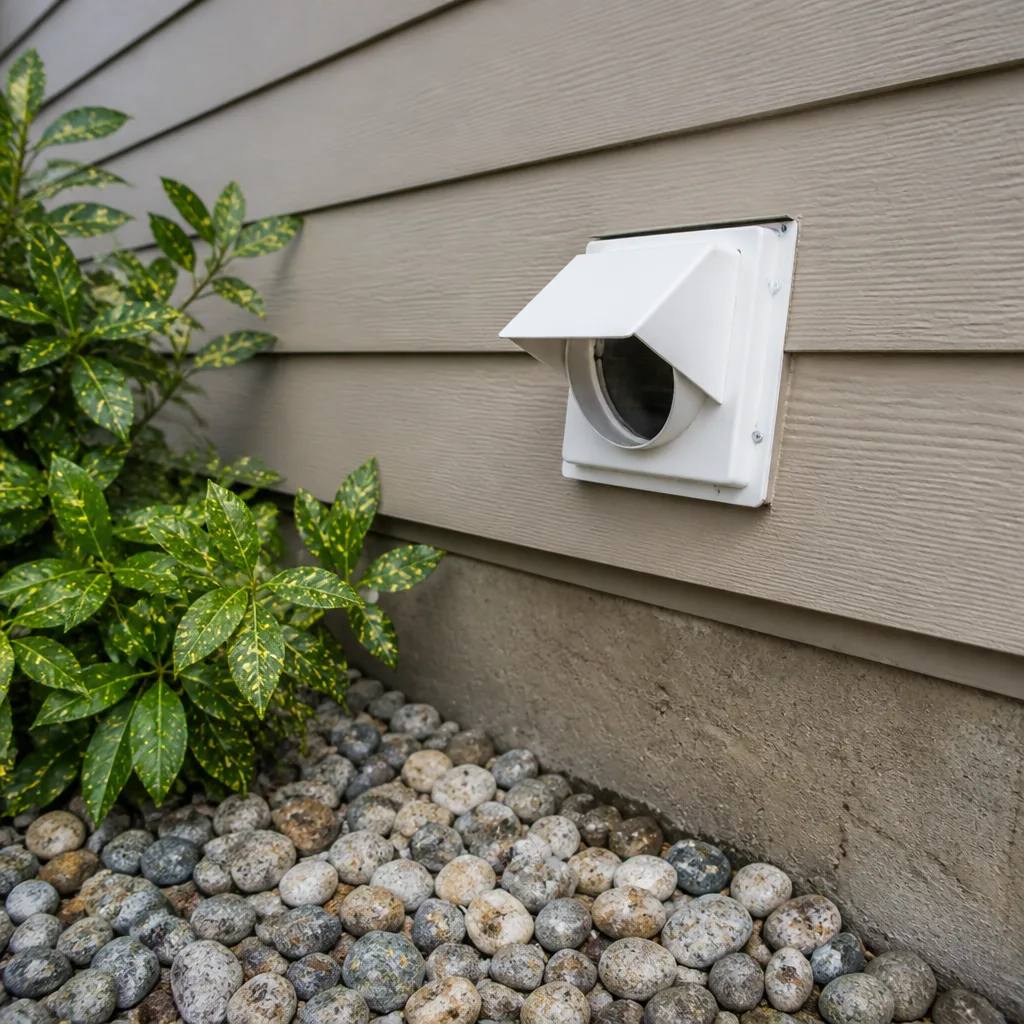 Dryer vent cleaning
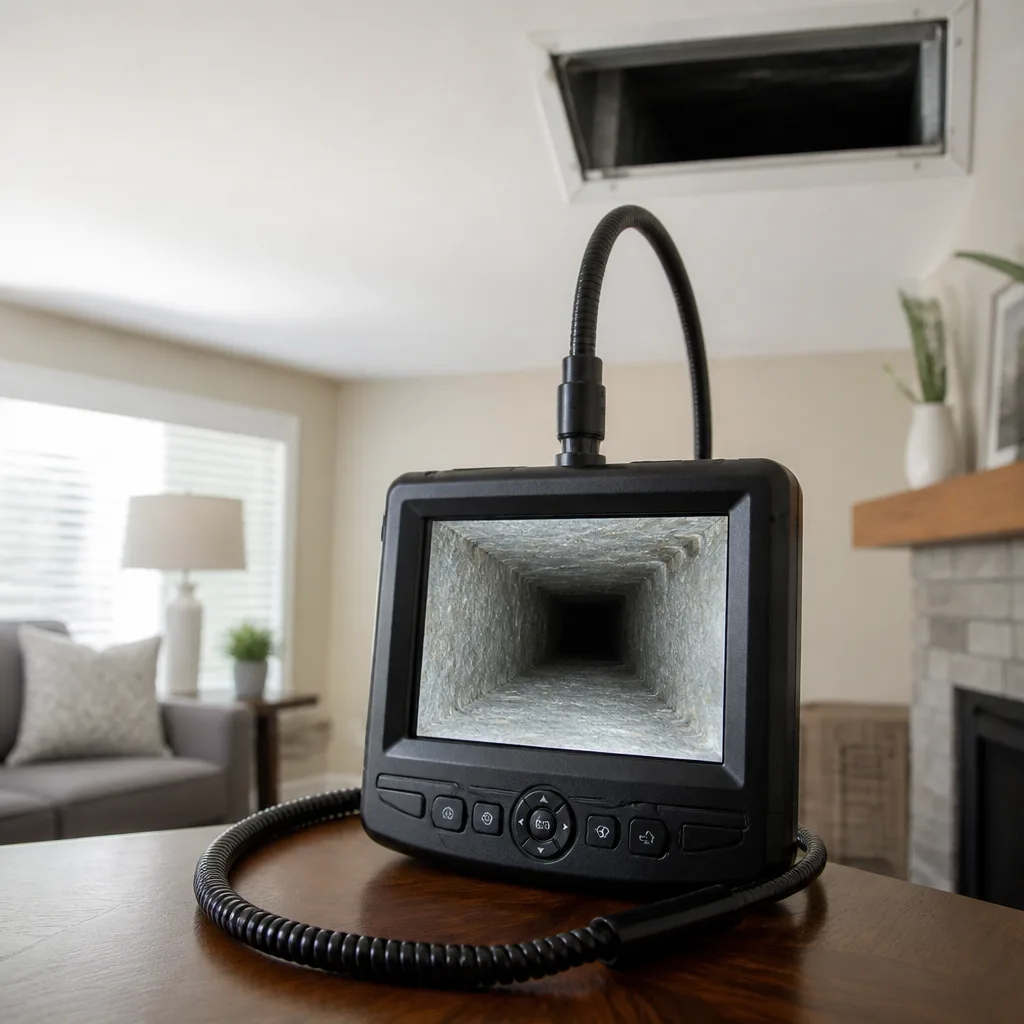 Camera inspection
 Sanitizing & deodorizing
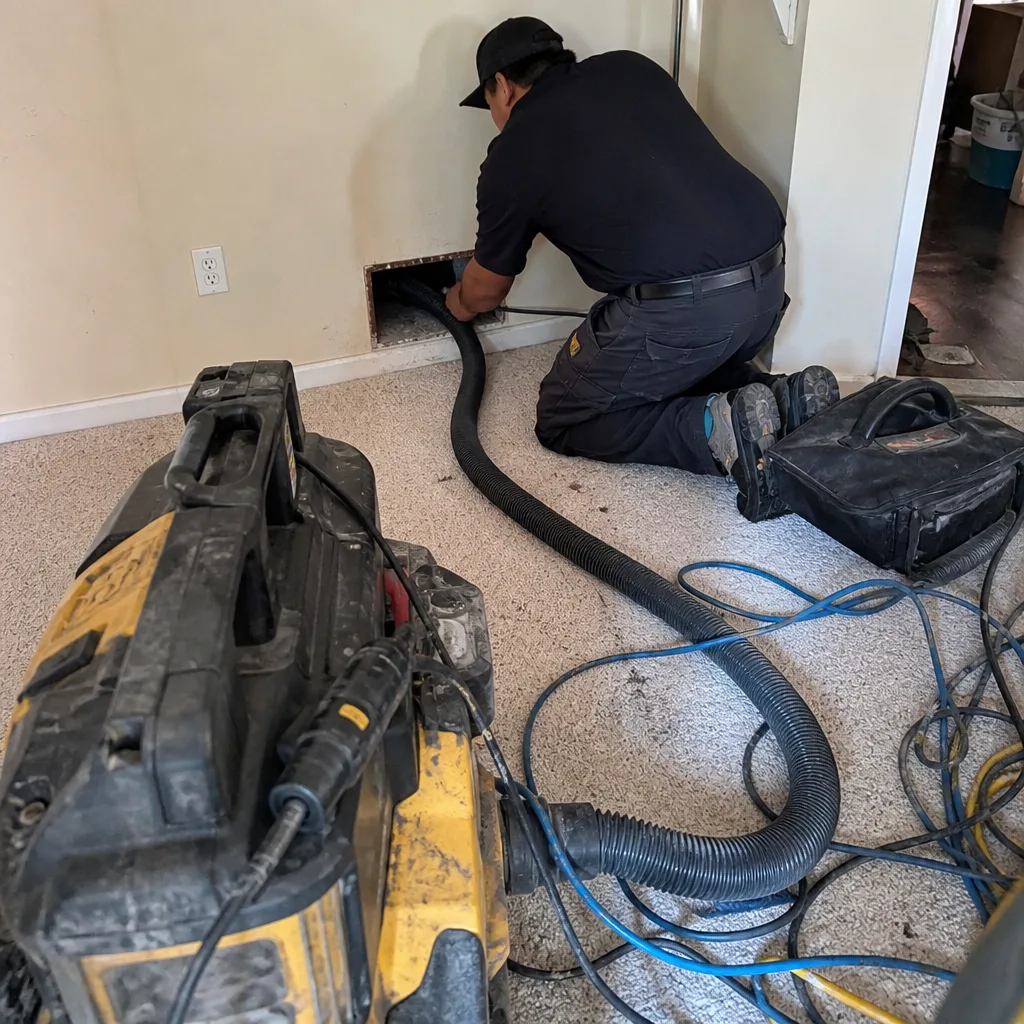
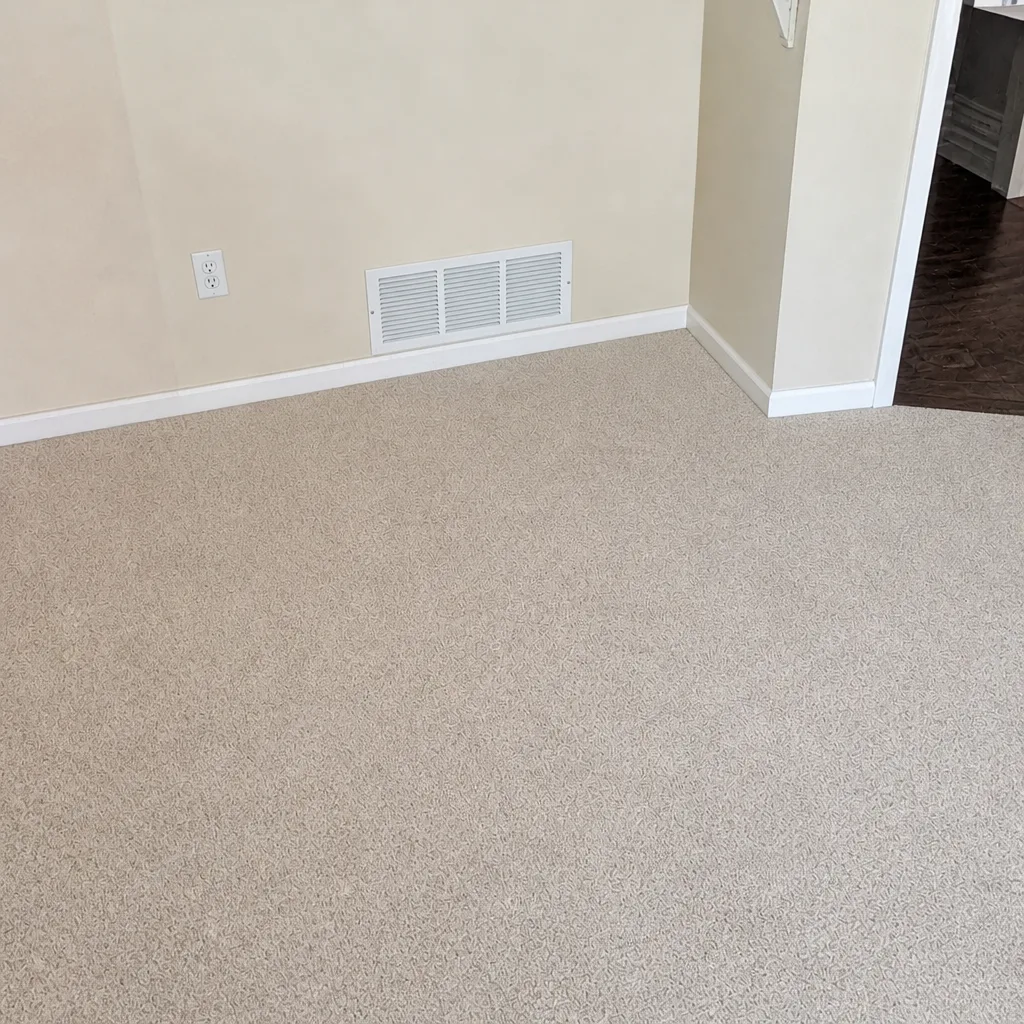
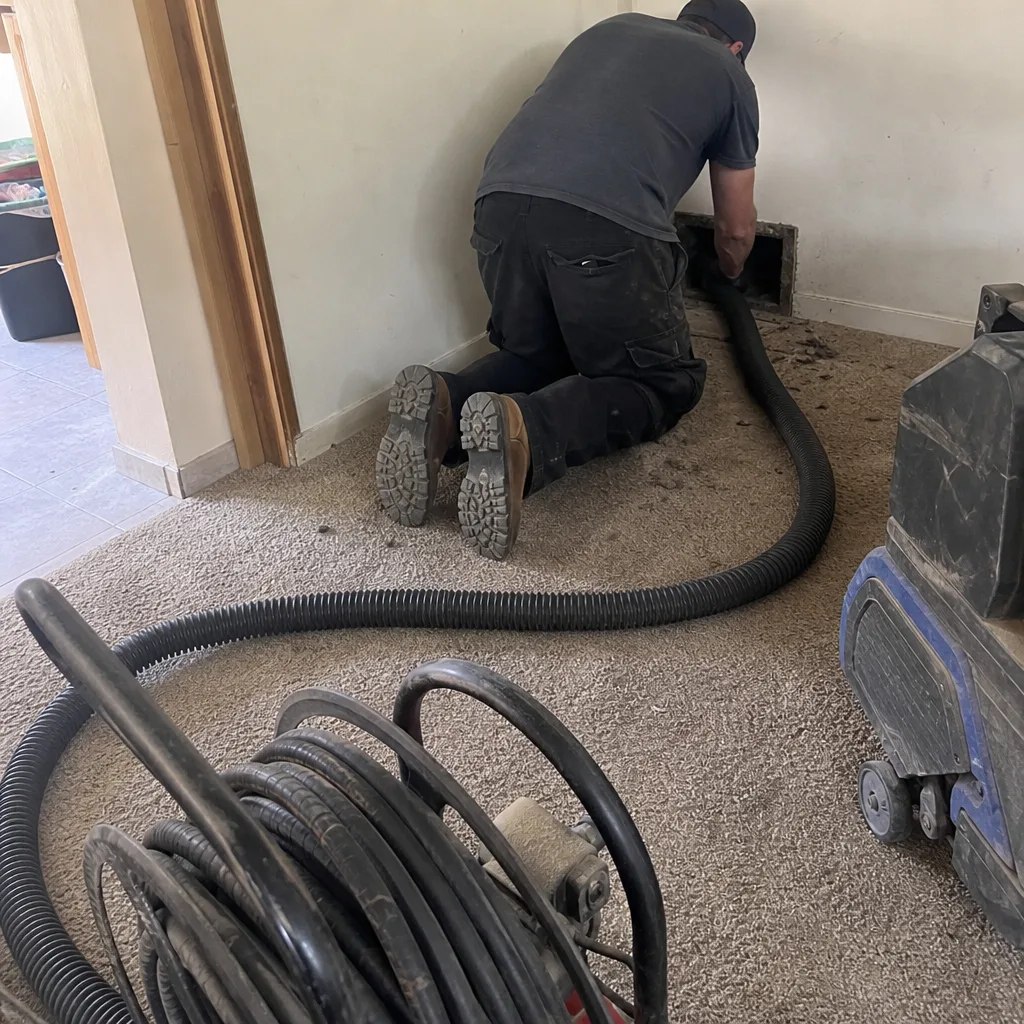
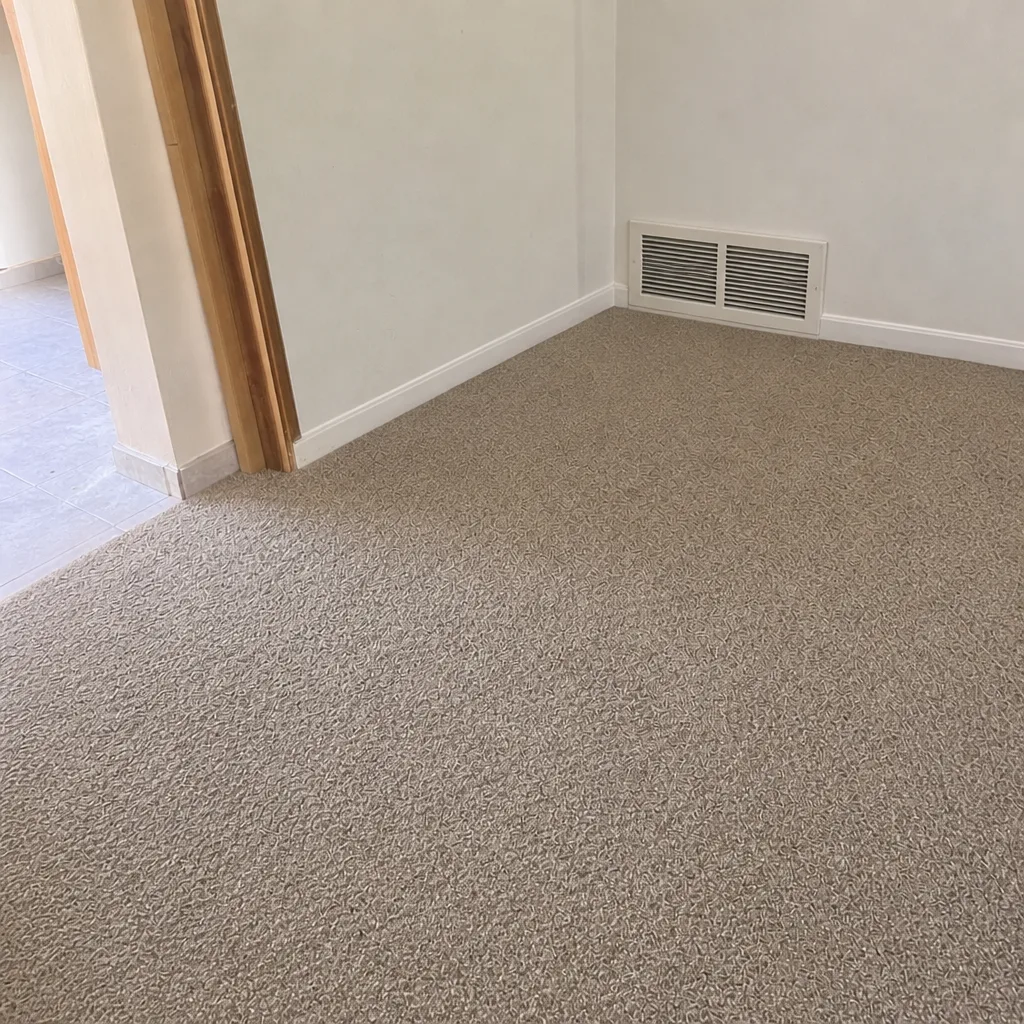
Whole-system duct and dryer vent check with before-and-after photos - you see exactly what came out of your vents
That "$99 whole-house special" is a bait ad - the real number appears once they are in your hallway, or the "clean" is a shop-vac at the register. We photograph the inside of your ducts before and after instead.
Air Duct Cleaning Permits, Codes & Inspections in Commerce City, CO: What You Need to Know
Most homeowners assume a duct cleaning needs a permit. It usually doesn’t. Cleaning a duct system that’s already installed the way the code requires is maintenance, and maintenance doesn’t trigger a permit. What catches people off guard is the next step: when cleaning uncovers crushed flex runs, disconnected joints, or undersized trunks, the repair work itself may fall under Adams County’s mechanical permit rules. That’s the line this guide draws. You’ll learn where Colorado separates cleaning from alteration, when duct sealing needs an inspection, how Commerce City’s adoption of the 2021 mechanical code affects leakage standards, and what an unpermitted repair looks like when you go to sell.
Quick Answer
Cleaning an existing air duct system in Commerce City generally does not require a permit, because it counts as maintenance rather than construction. Repairing, replacing, rerouting, or altering the duct system usually does require a mechanical permit and an inspection under the adopted mechanical code that Commerce City enforces through Adams County. The permit is the contractor’s responsibility, and a legitimate contractor pulls it without being asked.
Styles & brands we work with
- Whole-home duct cleaning
- Dryer vent cleaning
- Camera inspection
- Sanitizing & deodorizing
Table of Contents
- Cleaning vs. Alteration: Where Colorado Draws the Line
- When Does Duct Work Need a Mechanical Permit in Commerce City?
- Duct Sealing and Aerosol Sealants: Inspection Triggers
- How Commerce City’s 2021 Mechanical Code Affects Leakage Standards
- What an Inspection Actually Checks
- What an Unpermitted Duct Repair Looks Like at Resale
- Questions to Ask Your Contractor About Permits
- Why Commerce City Conditions Make Duct Work More Likely
Cleaning vs. Alteration: Where Colorado Draws the Line
Colorado’s building codes treat duct systems the same way they treat plumbing or electrical systems: installing, extending, altering, or replacing them is regulated work, while maintaining what’s already there is not. That single distinction explains almost every permit question you’ll ever have about ducts. Running a Rotobrush or Nikro system through a fully connected duct network and pulling out debris doesn’t change the system’s configuration, so it doesn’t require a permit.
The line gets crossed the moment the physical duct system changes. Here’s how to tell which side of it you’re on:
- Maintenance, generally no permit: cleaning, sanitizing, filter replacement, removing debris from accessible runs, and cleaning the blower compartment.
- Alteration, permit typically required: replacing a section of flex duct, adding or removing a supply or return, changing the layout of a trunk line, installing a new plenum, or rerouting a run to accommodate a remodel.
- Repair, depends on scope: reconnecting a single dislodged joint or taping a seam is often treated as minor maintenance, while replacing failed sections or re-securing an entire trunk is generally a permitted repair.
In our experience, the confusion comes from the word “repair.” Homeowners hear it and assume it’s all the same. It isn’t. A duct system is part of the building’s mechanical infrastructure, and once you cut into it or change it, the work is subject to the same inspection process as any other mechanical alteration. This is why air duct cleaning is straightforward while Duct Repair & Sealing is where permit questions actually live. If a contractor can’t explain the difference, that’s a warning sign before any money changes hands.
When Does Duct Work Need a Mechanical Permit in Commerce City?
Commerce City enforces the mechanical code it has adopted, and that code governs duct systems alongside furnaces, water heaters, and ventilation. The general rule is simple: if the work changes the system, a mechanical permit is required. If the work only maintains the system, it isn’t. The permit itself is pulled by whoever is doing the work, and the inspection is arranged by the same party.
Work that generally needs a mechanical permit in Commerce City includes:
- Installing a new duct run, supply, or return.
- Replacing a section of duct with a different size, material, or routing.
- Altering the layout of a trunk line or manifold.
- Installing a new plenum at the furnace or air handler.
- Sealing ductwork as part of a larger mechanical alteration.
- Modifying exhaust or ventilation ducting connected to the HVAC system.
- Any change that affects the system’s ability to meet the adopted leakage or sizing standards.
Work that generally does not require a mechanical permit includes cleaning, sanitizing, filter changes, and the kind of minor reconnection a technician can accomplish without changing the system’s configuration. When we connect homeowners with local professionals, that technician can tell you which category your job falls into before work begins, because guessing after the fact is what gets people into trouble at resale. The safe assumption for any repair is: ask, and let the contractor confirm in writing before the first cut.
Duct Sealing and Aerosol Sealants: Inspection Triggers
Duct sealing sits in the murky middle. Sealing that happens as part of routine maintenance, such as taping a joint you can reach, typically doesn’t need a permit. Sealing that happens as part of a larger mechanical alteration, such as a repair or reconfiguration, is generally folded into the permit for that work and inspected with it. The deciding factor isn’t the sealant; it’s the context.
Aerosol-based sealants add another layer. Products like Aeroseal are applied from inside the duct system, and they’re marketed as a way to bring leaky ducts into compliance. Some jurisdictions treat aerosol sealing as a standalone mechanical alteration that requires its own permit and a post-sealing leakage test, while others review it as part of the larger job. Commerce City falls under the adopted code, so the safest approach is to ask the contractor whether the sealant application will be permitted and whether a leakage test will document the result. A sealing job without a documented leakage result is harder to prove at inspection and harder to defend at resale.
What a sealing job should include, whether or not it triggers a permit:
- A test that measures leakage before and after sealing.
- Written documentation of the reduction.
- Notification to the building department if the work is part of a permitted project.
- Clear disclosure of the product used and how it behaves in an existing system.
If a contractor proposes aerosol sealing without mentioning documentation, ask why. A legitimate contractor treats the paperwork as part of the job, not as an add-on.
How Commerce City’s 2021 Mechanical Code Affects Leakage Standards
The 2021 International Mechanical Code tightened duct leakage requirements nationwide, and Commerce City’s adoption of it means new and renovated systems in the city face stricter standards than older installations were built to. That matters even for homeowners who never plan a permit, because it sets the bar an inspector will measure a permitted job against.
Here’s what that means in practice for a Commerce City duct project:
- New and altered duct systems are generally subject to leakage testing, with the allowable leakage scaled to the system’s size and configuration.
- Sealing requirements apply to the entire accessible system, not just the parts a technician happens to reach.
- Documentation of the test is typically part of the inspection process, not an optional extra.
- Repairs are held to the standard in effect at the time of the permit, so a permitted repair in Commerce City today is measured against the adopted code, not the code in place when the house was built.
This is where the corner gets tight. A duct system built in older construction can pass a cleaning and fail a leakage test the moment a permitted repair touches it. Contractors who understand the adopted code will scope the job with that in mind, and they’ll tell you before work starts if the repair is likely to trigger a broader compliance conversation. That kind of honesty is the difference between maintenance and a surprise. It’s also why we lean on professional equipment that lets us see the problem before the invoice, including Abatement Technologies filtration to keep the workspace contained and HVAC cleaning to reach areas where leaks can hide.
What an Inspection Actually Checks
An inspection isn’t a deep technical audit of every joint. It’s a verification that the permitted work matches what was proposed and meets the adopted code. Knowing what an inspector looks at helps you prepare and helps you ask your contractor better questions.
- The permit scope: does the work performed match what was permitted?
- Materials: are the duct materials appropriate for the application?
- Connections: are joints and seams secured and sealed?
- Sizing and routing: does the installed configuration match the approved plan?
- Leakage documentation: is there a test result showing the system meets the standard?
- Accessibility: are the required access points present so future work is possible?
- Sign-off: does the completed work become part of the property record?
Inspections can fall into a couple of phases for larger jobs, with rough-in checks before the system is closed up and a final check afterward. Small repairs usually wrap in a single visit. The key point for homeowners is this: an inspected repair generates a record, and that record follows the house. A repair without one doesn’t disappear; it just becomes something you may one day have to prove yourself.
What an Unpermitted Duct Repair Looks Like at Resale
At resale, an unpermitted duct repair doesn’t typically blow up the sale on its own. It becomes a disclosure item, and it opens the door to negotiations, buyer requests, and in some cases a compliance demand from the buyer’s lender. What makes it visible is the home inspection, which looks at duct configuration and often notices signs that a system was altered without the paperwork to back it up.
Signs a home inspector may flag:
- Sections of duct that don’t match the original material or routing.
- Recently replaced flex runs that show no documentation.
- Sealing work that appears to have been applied after a repair rather than as part of one.
- Missing or added supplies and returns that weren’t in the original build.
- Duct systems that fail a leakage test when a buyer requests one.
At that point you have three choices: produce the permit and the inspection record, retroactively obtain the permit if the city allows it, or negotiate a credit. The cleanest path is the first one, and it costs much less than the credit. Commerce City homeowners who’ve sold recently know the pattern: a pre-purchase inspection surfaces the issue, the buyer’s realtor attributes a cost, and the seller pays it or loses the sale. That’s why the permit, not the cleaning, is the thing worth insisting on.
None of this means duct cleaning is risky. It means duct repair is a construction activity, and it deserves the same documentation any other construction activity gets.
Questions to Ask Your Contractor About Permits
You shouldn’t have to know the code to hire well. You should, however, know the questions that separate a contractor who understands the process from one who doesn’t. The answers are usually short, and whether the contractor volunteers them tells you almost everything.
- Does this work need a permit under the code Commerce City follows?
- Who pulls the permit, and will the permit number appear on the invoice?
- Will the job require an inspection, and who schedules it?
- Will the sealing be documented with a leakage test?
- If the repair turns up additional issues, will the scope change and the permit be amended?
- Will I receive a copy of the inspection result?
A legitimate contractor pulls permits without being asked. They know the difference between maintenance and alteration, and they’re usually comfortable naming it. When we connect homeowners with local professionals, the pro is licensed and insured as their state requires, and part of what that means is knowing when a job crosses into permitted territory. A contractor who hints that a permit is “probably not necessary” for an alteration is a contractor who is shifting that risk onto you.
One flat price per system, agreed before work starts, is the other part of the equation. If the price climbs because a permit turns out to be needed, that conversation should happen before the work begins, not after.
Why Commerce City Conditions Make Duct Work More Likely
Commerce City sits on the high plains east of Denver, and the conditions here push duct systems hard. Hot summers, cold winters, and a wide daily temperature swing mean the system runs a lot of hours and cycles repeatedly. Dust from the Front Range wind and nearby construction is a reality, and households in neighborhoods like Reunion, Buffalo Run, and Turnberry have all the ingredients for duct wear: heavy seasonal use, indoor-outdoor air movement, and finished basements that add runs to existing systems.
That wear shows up in predictable places:
- Flex runs in attics and crawlspaces that sag or separate over time.
- Joints sealed with tape that’s dried and curled.
- Disconnected boots at registers where seasonal cycling has worked them loose.
- Duct systems extended during a basement finish without a review of sizing or leakage.
When cleaning uncovers one of these, the repair falls on the alteration side of the line and often requires a permit. The condition wasn’t caused by the cleaning; it was exposed by it. That’s the honest sequence, and it’s why we treat cleaning as a diagnostic as much as a service. Any Commerce City air duct cleaning pros page should tell you the same, because the location-specific issue isn’t the cleaning; it’s what the cleaning finds.
Common Mistakes to Avoid
- Assuming repair is included in cleaning. A quoted cleaning price doesn’t cover duct repair, and repair is where the permit question starts. Ask what’s included before work begins.
- Accepting “you don’t need a permit for that.” If the work changes the duct configuration, it usually does need one. A contractor who waves that away is putting the liability on you.
- Skipping leakage documentation on a sealing job. Sealing without a test result leaves no proof the work did what it claimed. Insist on the number, before and after.
- Letting a basement finish extend the duct system without review. Finished basements in Commerce City often add runs to a system that wasn’t sized for them. That’s a mechanical alteration, not a weekend project.
- Ignoring a failing joint because it’s in a crawlspace. Small separations get worse across a Front Range winter. Repairing them is cheaper than the conditioned air they’re leaking.
- Not keeping the permit and inspection records. A permit you can produce at resale is worth more than one you can’t find. Store the paperwork with your home records.
- Hiring on a low coupon price and finding out later it didn’t include repair. A teaser price usually covers cleaning, not repair, and not paperwork. Get the scope in writing.
See the difference
 Before
 After
 Before
 After
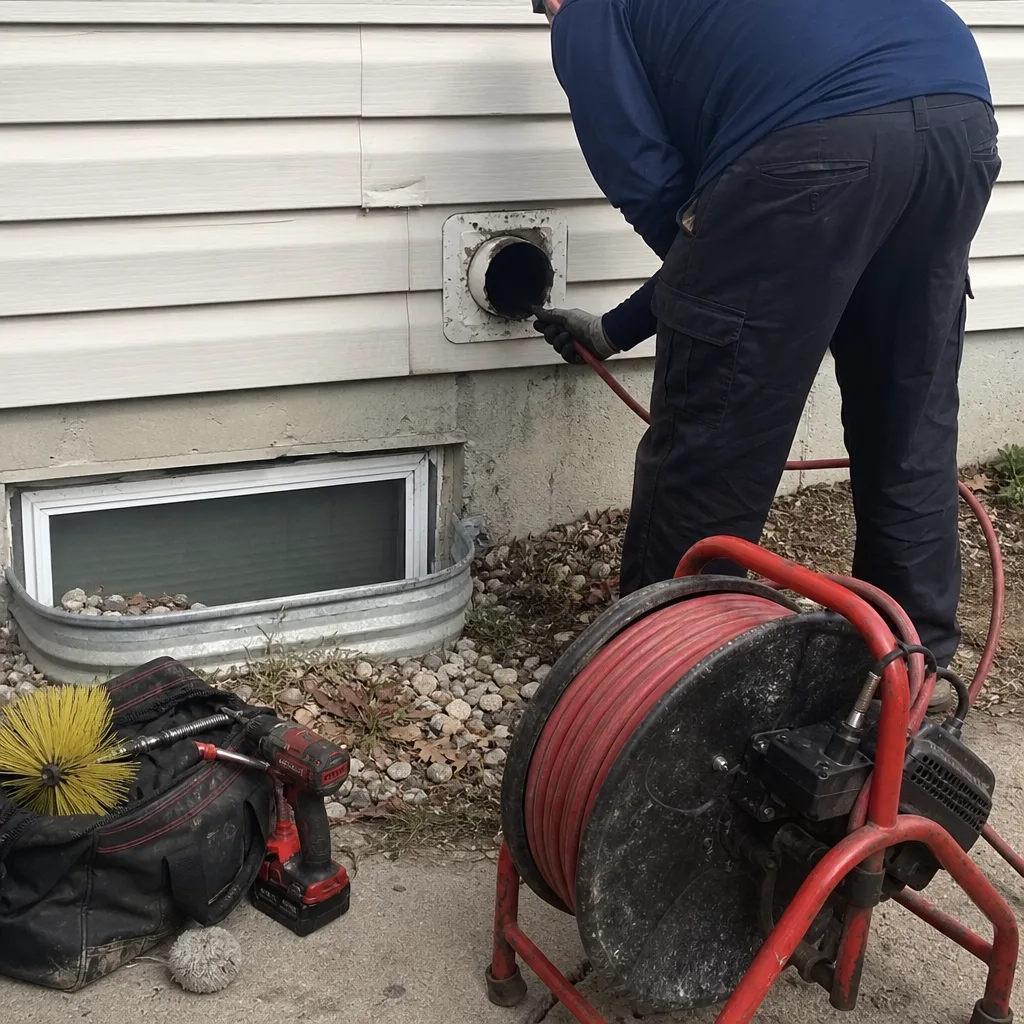 Before
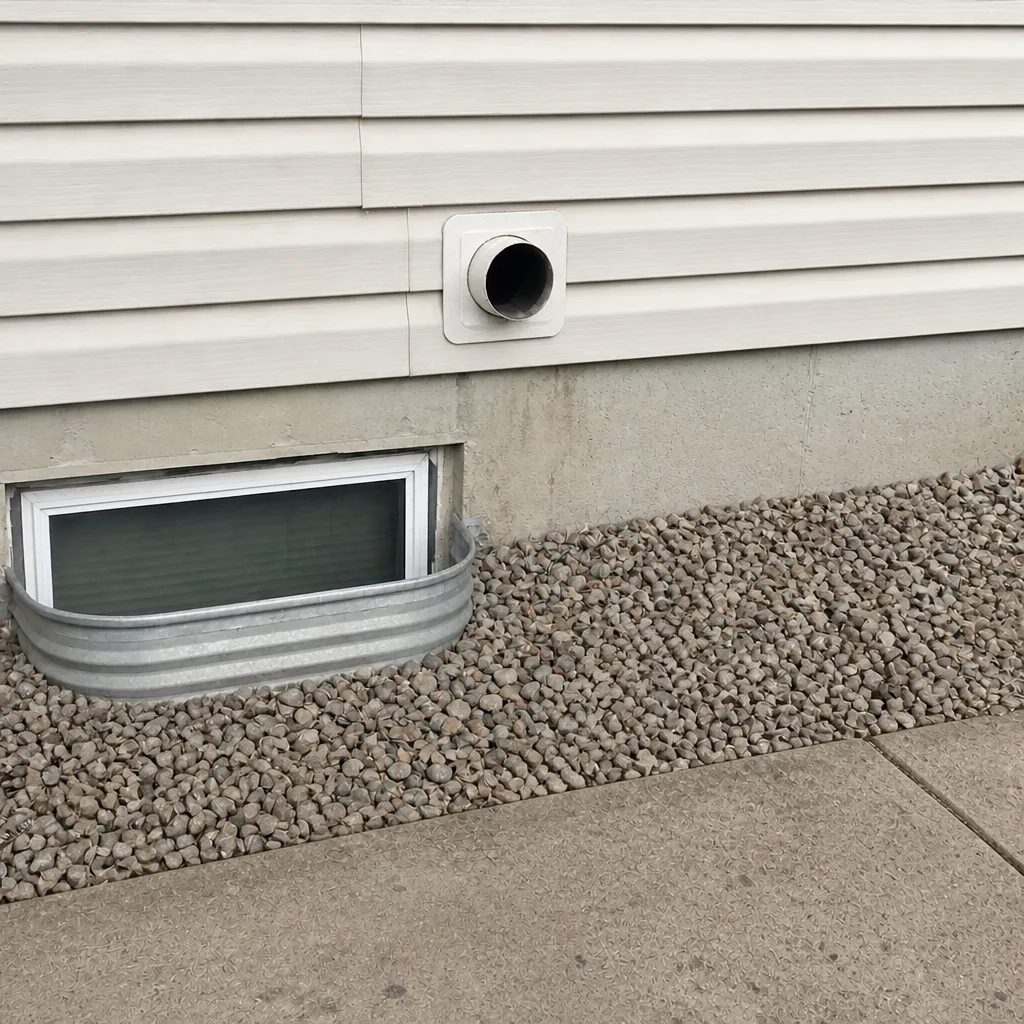 After
When to Call a Professional
Call a professional when you see visible separation at a duct joint, when you notice airflow dropping in part of the house, when cleaning turns up crushed flex runs, when sealing has been proposed without a leakage test, or when you’re preparing a home for sale and don’t have records for a prior repair. Also call when a basement remodel is about to touch the duct system, because that’s a permit decision, not a maintenance decision. Commerce City Air Duct Cleaning Pros offers free estimates in Commerce City – call (844) 625-7459. We answer 24/7. Fast dispatch from 7am to 7pm, Sunday through Friday. Our technicians have up to 9 years of experience, and the estimate spells out the scope so the permit question gets answered before the first cut.
Frequently Asked Questions
No. Cleaning an existing duct system is maintenance, and maintenance doesn’t require a mechanical permit. Duct repair, replacement, rerouting, or alteration does require one under the code Commerce City enforces. Call (844) 625-7459 for an exact quote on either, and we’ll clarify which your job falls under.
Usually not on its own, but sealing performed as part of a repair or system alteration is folded into that permit and inspected with it. Aerosol sealing can be treated as a standalone alteration in some jurisdictions, so ask the contractor whether documentation will be provided. Call (844) 625-7459 for an exact quote on your sealing project.
The contractor pulls the permit and schedules the inspection. A homeowner can technically pull a permit in some cases, but it shifts the responsibility and the liability onto you. A legitimate contractor offers to pull it without being asked. Call (844) 625-7459 for an exact quote.
It becomes a disclosure item at resale. The buyer’s inspection may flag the alteration, and the seller ends up either producing the record, obtaining a retroactive permit if the city allows it, or offering a credit. Getting the permit up front costs less than the credit does. Call (844) 625-7459 for an exact quote on a permitted repair.
Not necessarily. Inspections are typically scoped to the permitted work, but a repair that touches the system can open the door to broader review under the adopted code. Contractors who understand the adopted code will flag that risk before work starts. Call (844) 625-7459 for an exact quote and a straight answer on scope.
Dryer vent work that replaces ducting or changes its routing typically falls under the same mechanical permit rules, while cleaning an existing dryer vent is maintenance and doesn’t. This is the same cleaning-versus-alteration distinction that governs air ducts, applied to a different system. For dryer vent cleaning in Commerce City, the permit answer depends on the scope of the work. Call (844) 625-7459 for an exact quote.
The Bottom Line
Cleaning air ducts in Commerce City doesn’t require a permit, but repairing, replacing, or altering them usually does. The line between the two is the line between maintenance and construction, and it matters most when the work touches the adopted mechanical code Commerce City enforces. Ask your contractor who pulls the permit, insist on leakage documentation for sealing, keep the records with your home paperwork, and don’t let a low coupon price hide the difference between cleaning and repair. One flat price per system, agreed before work starts, is the standard to hold any contractor to. Clean ducts are only half the job; the paperwork is the other half.
Ready to sort out what your ducts actually need? Commerce City Air Duct Cleaning Pros offers free estimates in Commerce City – call (844) 625-7459. We answer 24/7. Fast dispatch from 7am to 7pm, Sunday through Friday, closed Saturday. One call covers cleaning, repair and sealing, HVAC and dryer vent work, and air quality sanitizing, so you’re not coordinating three contractors for one system.
Written by the team at Commerce City Air Duct Cleaning Pros.