
Last updated November 25, 2026
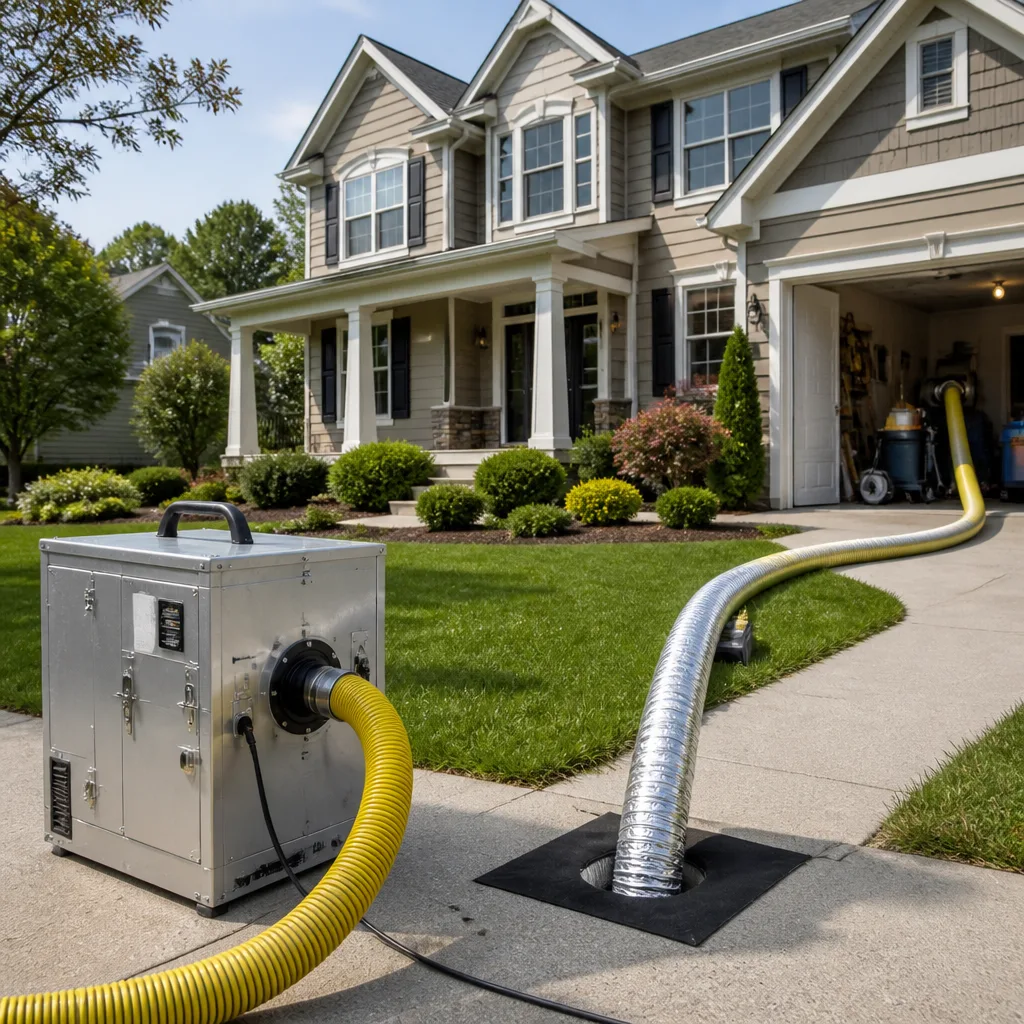 Whole-home duct cleaning
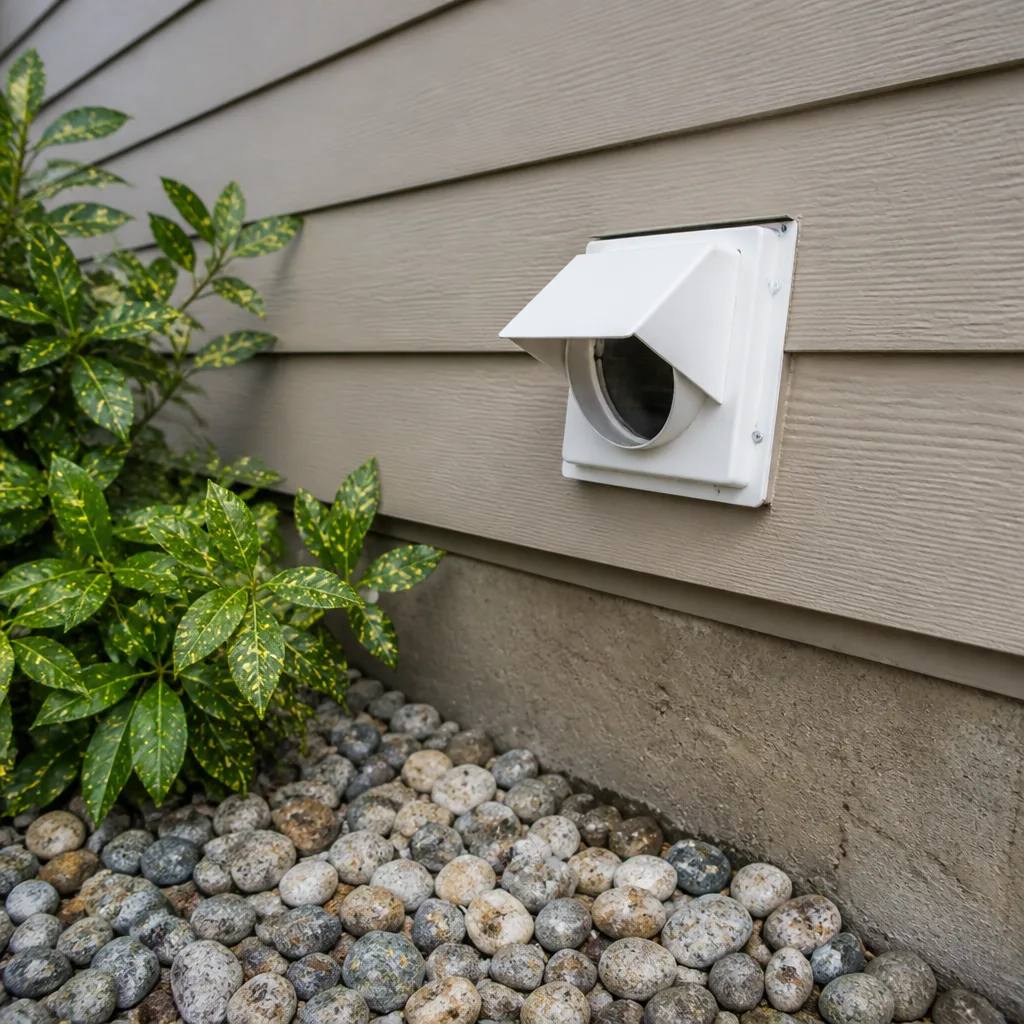 Dryer vent cleaning
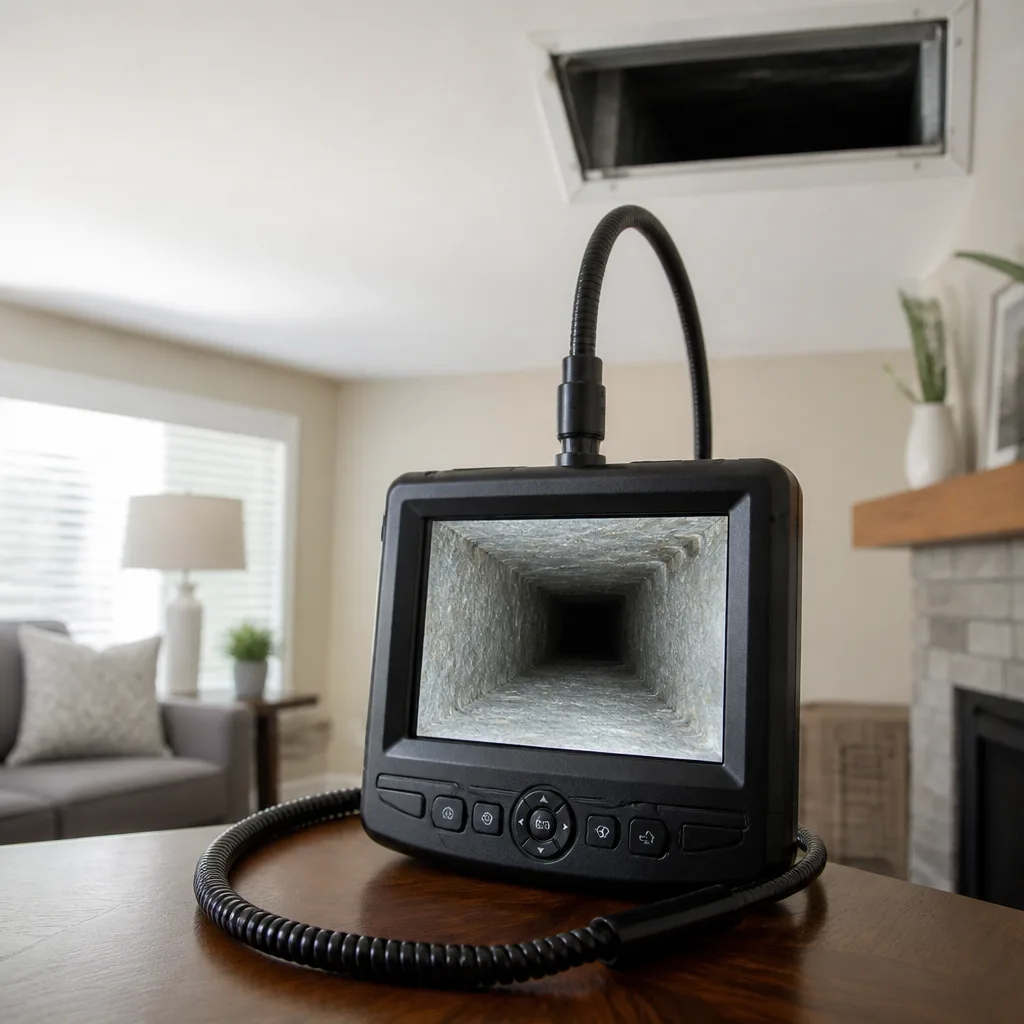 Camera inspection
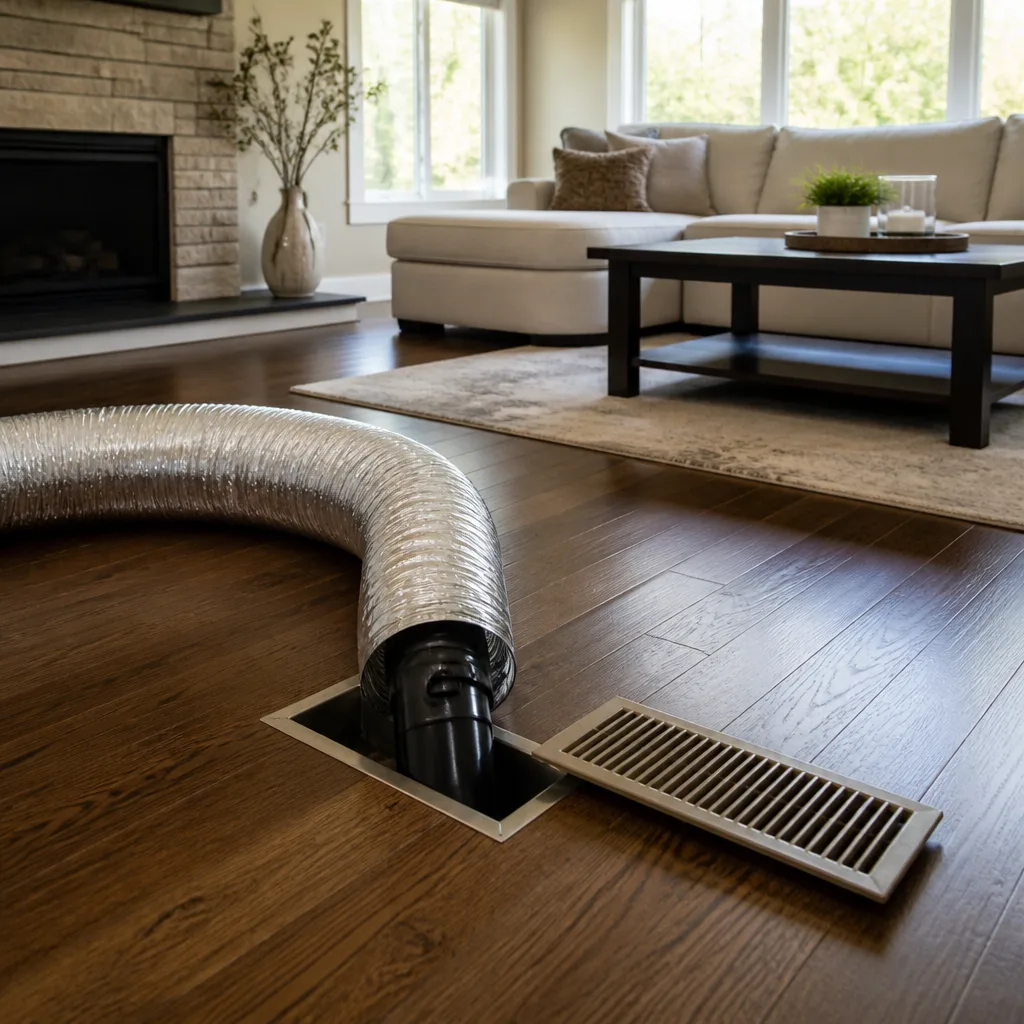 Sanitizing & deodorizing
Whole-system duct and dryer vent check with before-and-after photos - you see exactly what came out of your vents
That "$99 whole-house special" is a bait ad - the real number appears once they are in your hallway, or the "clean" is a shop-vac at the register. We photograph the inside of your ducts before and after instead.
Air Duct Cleaning Maintenance Checklist for Commerce City Homeowners
The filter you replace every month is the last line of defense, not the first. By the time dust, pollen, and smoke particles reach it, they’ve already traveled through your supply trunks, turned corners at every fitting, and dropped out of the airstream inside your ducts. A filter catches what survives the journey; your ducts collect everything that didn’t. That’s why a maintenance checklist built around cleaning frequency alone misses the real question: is your duct system holding steady or quietly degrading between visits? This guide gives Commerce City homeowners the same inspection framework our technicians use: what to look at, how to log what you find, and when a condition in your home means it’s time to call.
Quick Answer
A workable air duct maintenance checklist for a Commerce City home runs on four rhythms: check and photograph every register monthly, log baseline airflow twice a year, replace filters on the schedule your system actually needs rather than a fixed guess, and schedule professional cleaning on condition triggers (dust patterns, post-renovation debris, wildfire smoke seasons, unusual odors) instead of waiting for a calendar date. The checklist only works if you write down what you find. Measured baselines turn “the airflow feels weaker” into a comparable record you can act on.
Styles & brands we work with
- Whole-home duct cleaning
- Dryer vent cleaning
- Camera inspection
- Sanitizing & deodorizing
Table of Contents
- The Room-by-Room Register Inspection
- How to Log a Baseline Airflow at Each Register
- What MERV Ratings Protect and What Gets Through Anyway
- Commerce City Triggers: Wildfire Smoke, Snowmelt, Renovation
- Warranty-Critical Maintenance Tasks and How to Document Them
- Your Seasonal Checklist, Month by Month
- Return Grilles, Coils, and the Blower: What the Checklist Misses
- When the Checklist Says Call a Professional
The Room-by-Room Register Inspection
You don’t need special tools for this walkthrough. A flashlight and your phone camera will do everything needed to spot the early signs of duct system degradation. Set aside twenty minutes. Start at the register closest to the furnace or air handler and work outward, room by room, so you’re comparing registers on the same circuit.
At each register, look for four things:
- Visible buildup on the grille and vanes. A light film of dust is normal. A dark, textured coating that you can drag a fingertip through means material is depositing at the register face faster than the filter can capture it.
- Discoloration around the perimeter. Gray or blackening streaks on drywall where a ceiling register sits indicate air leaking between the boot and the ceiling – a sealing issue, not a cleanliness issue.
- Streaking downstream of the grille. Linear “tracks” on the wall or ceiling show where air is blowing with entrained dust. Note the direction; it tells you where the supply stream is aimed.
- Anything the register shouldn’t hold. Construction grit, paint flecks, insulation fibers, and small debris all point to a specific upstream event worth recording.
Photograph each register face and the wall around it. Keep the photos in a folder dated by month. Two photos of the same register taken two months apart will show you far more than any single snapshot, and they give a professional cleaner a clear history if you call for an estimate. In Commerce City, where new construction and renovation stay active, register dust patterns are often the fastest way to tell a freshly built home from one where a nearby remodel has been pushing fine dust through the return for weeks.
How to Log a Baseline Airflow at Each Register
“The airflow feels weaker” is not a measurement. A baseline turns feeling into a record you can compare against later – and it takes about two minutes per room.
- Pick your measuring method. A handheld anemometer gives a number. An inexpensive piece of tissue or a length of lightweight ribbon held at the register will show displacement; use the same tool at every register every time.
- Set the system to its normal cooling or heating mode. Run it at least ten minutes before measuring so the blower is settled.
- Hold the tool at a consistent distance and angle. Mark the register frame with a small piece of painter’s tape so the position stays consistent visit to visit.
- Record what you see. Write the reading – a numeric velocity, or a simple relative scale you define, such as strong, medium, weak – along with the room name, the date, and the outdoor conditions.
- Repeat on the same schedule. Twice a year works for most homes. The comparison matters, not the absolute value.
Store the log next to your filter change record. When you eventually call for an air duct cleaning estimate, the log answers the most useful question in the conversation: is the system obstructed, or leaking? A register that has dropped two steps while its neighbors stayed steady suggests a branch problem. Several registers drifting down together suggests the blower, the coil, or the trunk. That distinction changes the work.
What MERV Ratings Protect and What Gets Through Anyway
A MERV rating tells you how well a filter captures certain particle sizes on a single pass. It does not tell you what your ductwork looks like, and it definitely does not mean your ducts stay clean. Filters protect equipment, not the inside of your distribution system, and a filter is only effective on the air that actually reaches it.
- What filters do well: capture a percentage of airborne particles in a specific size range before the air reaches the blower and coil. That’s real protection for the equipment.
- What they miss: particles that settle out of the airstream inside the ducts rather than making it back to the filter. Gravity is not filtered.
- What high MERV costs you: a denser filter resists airflow, which loads the blower and can reduce static pressure. In Commerce City’s dry, dusty shoulder seasons, a filter that clogs faster makes that trade-off worse. Match filter performance to your system’s design, not to the highest number on the shelf.
- What passes regardless of rating: gases, odors, and ultrafine particles below the filter’s design target. This is where whole-home air quality hardware from brands like Honeywell and Aprilaire earns its place, and why sanitizing service exists alongside cleaning.
Clean ducts are only half the job. The filter rating you choose on the equipment side doesn’t fix structural duct issues, and it won’t remove what has already settled downstream. Check your filter monthly, change it based on what you see, and treat the filter as one part of a full-system picture rather than the whole answer.
Commerce City Triggers: Wildfire Smoke, Snowmelt, Renovation
Some homes can run a cleaning every few years and stay fine. Commerce City homes tend to get specific pushes that reset the clock. Here are the triggers worth tracking.
Wildfire smoke events
Smoke season along the Front Range pushes fine particulate into homes through returns and gaps. A high smoke event doesn’t just color the air; it deposits material on duct surfaces, and if you run the fan during the event, it also pulls smoke through the distribution system. After a significant smoke stretch, check your registers for soot or darkened film and note any odor when the system first turns on. Consider sanitizing service if odors persist.
Spring snowmelt and moisture
Late-season snowmelt produces weeks of damp ground and rising humidity around foundations. Water intrusion into a crawlspace or basement can push moisture vapor into duct runs, and duct insulation that stays damp invites microbial growth. After a wet spring, look for musty odors when the system starts and check for condensation on register faces.
Renovation and new construction
Drywall dust, sawdust, and insulation fibers are the most common contaminants we encounter in Commerce City homes that have just had work done. Construction dust tends to be heavy and deposits quickly – often within a few days of the first sanding. If the house is under active renovation, seal and tape the registers in the affected rooms before the drywall stage and plan on a cleaning afterward. Not during. After.
Each of these events creates a specific, observable justification for cleaning that’s more useful than a fixed schedule. The log you keep on your register conditions tells you which event actually needs action and which didn’t move the needle.
Warranty-Critical Maintenance Tasks and How to Document Them
Manufacturer warranties on HVAC equipment typically require that maintenance be performed and, just as importantly, that you can prove it was done. This is where a habit of documentation pays off. Skimping on the wrong tasks can void coverage on parts that fail early, and a warranty claim without records is a hard argument to win.
The tasks most commonly tied to warranty conditions:
- Regular filter changes. A clogged filter that caused a blower or coil failure is a classic denial.
- Coil cleaning. A dirty coil reduces capacity and, over time, can contribute to compressor stress.
- Condensate drain maintenance. A blocked drain that overflows can cause water damage the warranty won’t cover.
- Professional duct cleaning after renovation. Construction debris in a system can be read as owner neglect.
- Duct sealing and repair records. Leaks that reduce efficiency are sometimes raised in warranty disputes over performance complaints.
Documentation doesn’t need to be elaborate. Keep a simple log with dates and what was done, file the invoices for any professional work, and note the brand names and part numbers of any hardware installed. If you have HVAC cleaning service done, keep the invoice with the equipment records. If a future warranty claim comes up, you’ll have a clean trail.
Your Seasonal Checklist, Month by Month
Here’s a working annual rhythm for a Commerce City home. Adjust the intervals to fit what your register log actually shows.
- Start of cooling season. Change the filter, check and photograph all registers, re-measure airflow at your tape-marked spots, and note anything new before the system has run hard.
- Mid-summer. Look for condensation near the air handler and any musty smell on startup. If smoke events hit, log register conditions afterward.
- Start of heating season. Repeat the full register walkthrough. Heating season often surfaces new smells because the system runs differently and warms dust that’s been sitting.
- After any renovation. Full register check and a cleaning if visible debris or heavy drywall dust shows up.
- After snowmelt. Check for moisture in registers near foundation walls and any crawls or basements; note mustiness.
- End of the year. Tally what you’ve logged. If you’ve seen recurring buildup or falling airflow at the same registers, it’s time to call for a professional assessment.
One annual professional cleaning is a defensible default for most homes, but “default” is the operative word. A home near an active construction corridor, or one with pets and a family member with asthma, will need cleaning on a different rhythm than a low-occupancy household down the block. Your log is what makes the schedule personal instead of arbitrary.
Return Grilles, Coils, and the Blower: What the Checklist Misses
A good register-by-register walkthrough covers the supply side. The return side and the equipment itself are just as important, and often the most informative part of the inspection.
Return grilles
Return grilles take in a much larger volume of air than supply registers and pull in a lot more debris. Check the face of each return grille monthly. A dark, matted surface on the return is often the first thing a homeowner notices before anything else feels wrong. Also check the filter slot for bypass – if air is going around the filter instead of through it, the filter isn’t doing its job.
The blower compartment and coil
You may be able to see a blower wheel through a service opening on some equipment, but don’t open panels you’re not qualified to open. A blower wheel caked with dust moves less air and draws more current; a dirty evaporator coil loses capacity. If you can’t inspect them safely, note in your log that the coil and blower should be checked during a scheduled HVAC cleaning – they’re the reason HVAC cleaning exists as a service on its own.
Dryer vent (it’s part of the household airflow picture)
Not connected to your HVAC ducts, but on the same inspection round: check the outside dryer vent flap for lint accumulation and the flexible connector behind the dryer for kinks. A lint-clogged vent is a fire risk that has nothing to do with indoor air quality and everything to do with household maintenance discipline. If you can’t reach the run, dryer vent cleaning handles the deep clean on the same visit as the rest of the work.
The Commerce City Air Duct Cleaning Pros approach focuses on the full path from the blower to the vent, which is why we’re set up for these adjacent items in the same visit instead of sending you to a different contractor for each one. Professional-grade containment matters here: our technicians use Abatement Technologies air filtration equipment on-site to keep dislodged particulate out of your living space, which is the step most residential cleaners skip.
Common Mistakes to Avoid
- Chasing the highest MERV filter you can find. A filter that’s too dense for your system starves the blower and can reduce airflow at every register. Match filter performance to your equipment’s design rather than assuming higher is better.
- Waiting for visible dust at every register before calling. In Commerce City’s dry climate, accumulation often builds in the trunk and branch runs without obvious register symptoms. Airflow logs catch it long before the register face shows anything.
- Skipping the register walkthrough during renovation. Drywall dust does most of its damage in the first few days of sanding. Seal and cover registers before demolition work starts, and plan the cleaning for after.
- Not writing anything down. A memory of “the airflow felt stronger last year” doesn’t help a technician find a branch restriction. A dated baseline does.
- Treating a coupon-priced cleaning as a full-system clean. A quick surface pass with a shop vac and a hose isn’t the same service as proper containment with professional equipment. Ask what equipment the technician brings and whether the price holds if the system is dirtier than expected.
- Assuming the air smells fine, so nothing is wrong. Odors are the last thing to show up. By the time the smell registers, microbial growth and odor-causing deposits have been building for a while.
- Ignoring the return side. Return grilles take in far more air than supplies and clog first. A checklist that stops at supply registers misses the easiest catch.
See the difference
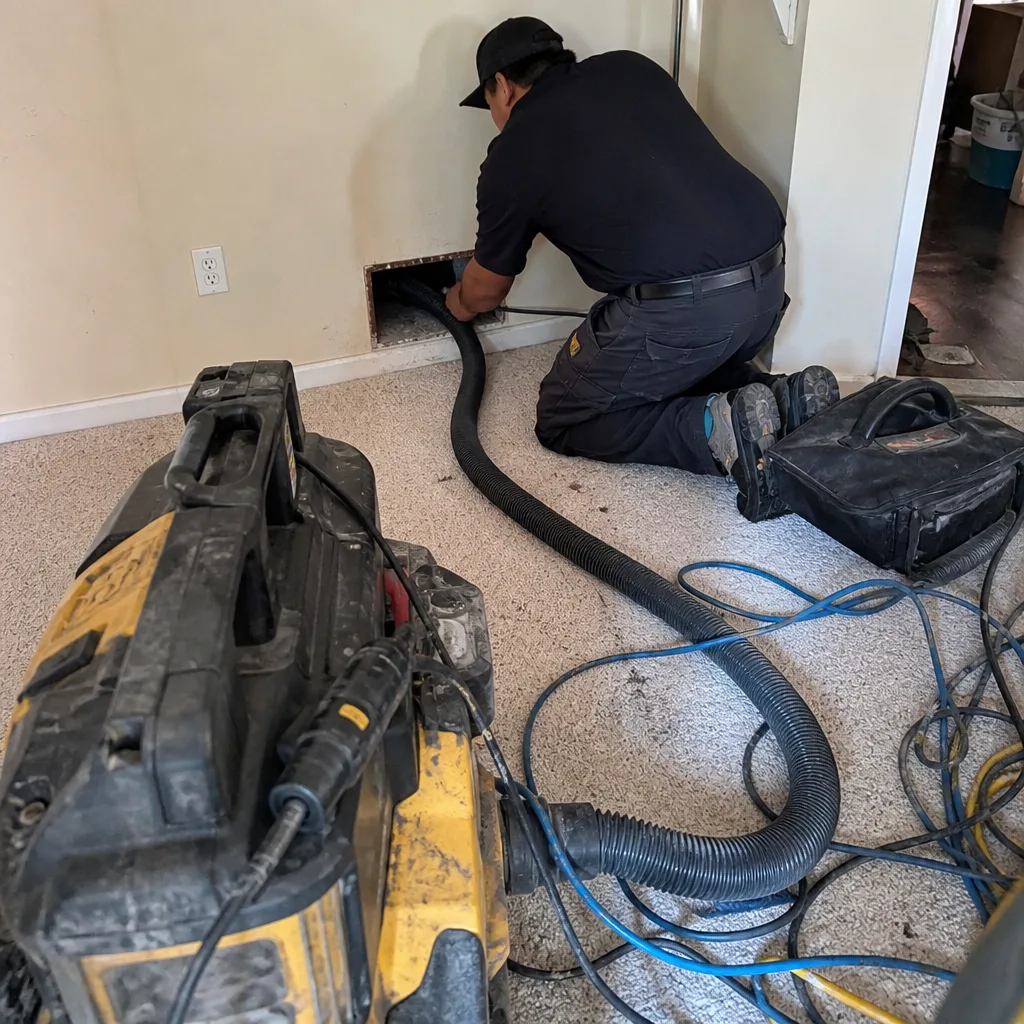 Before
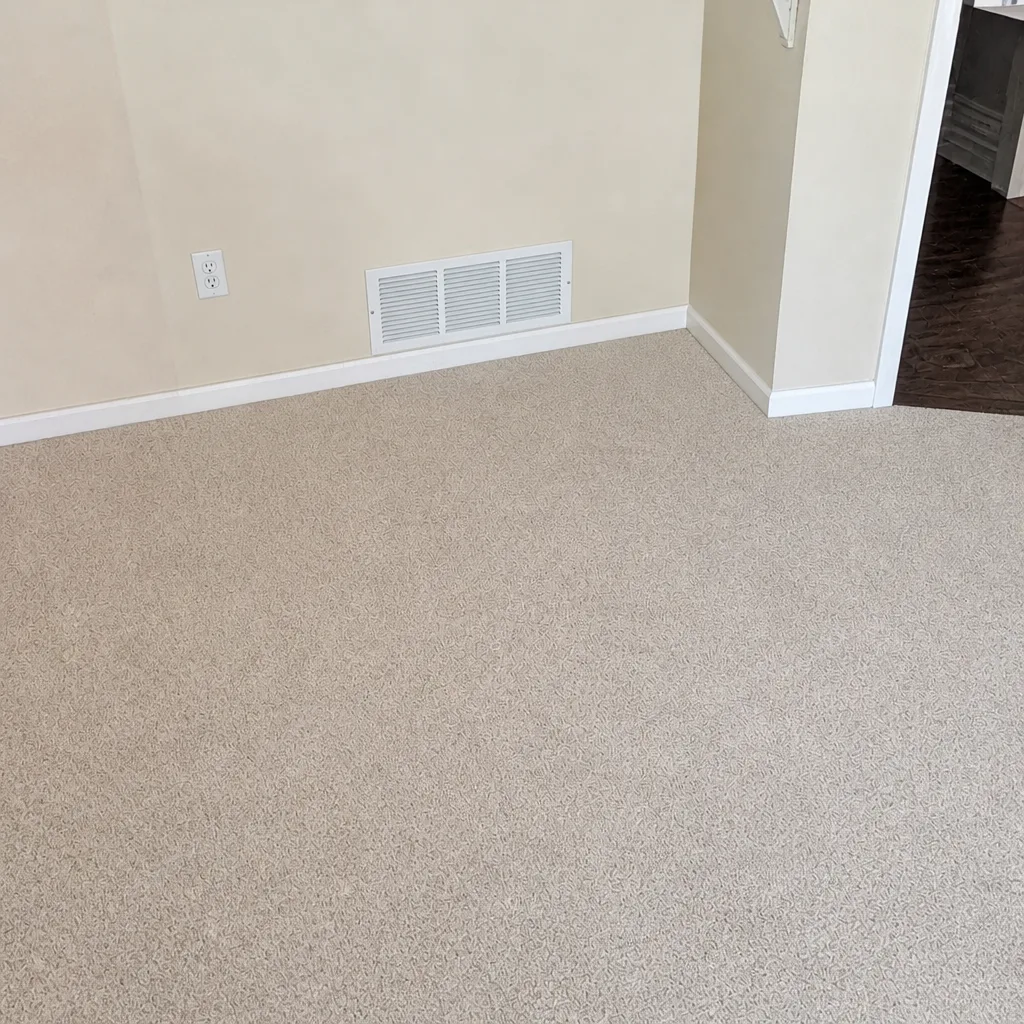 After
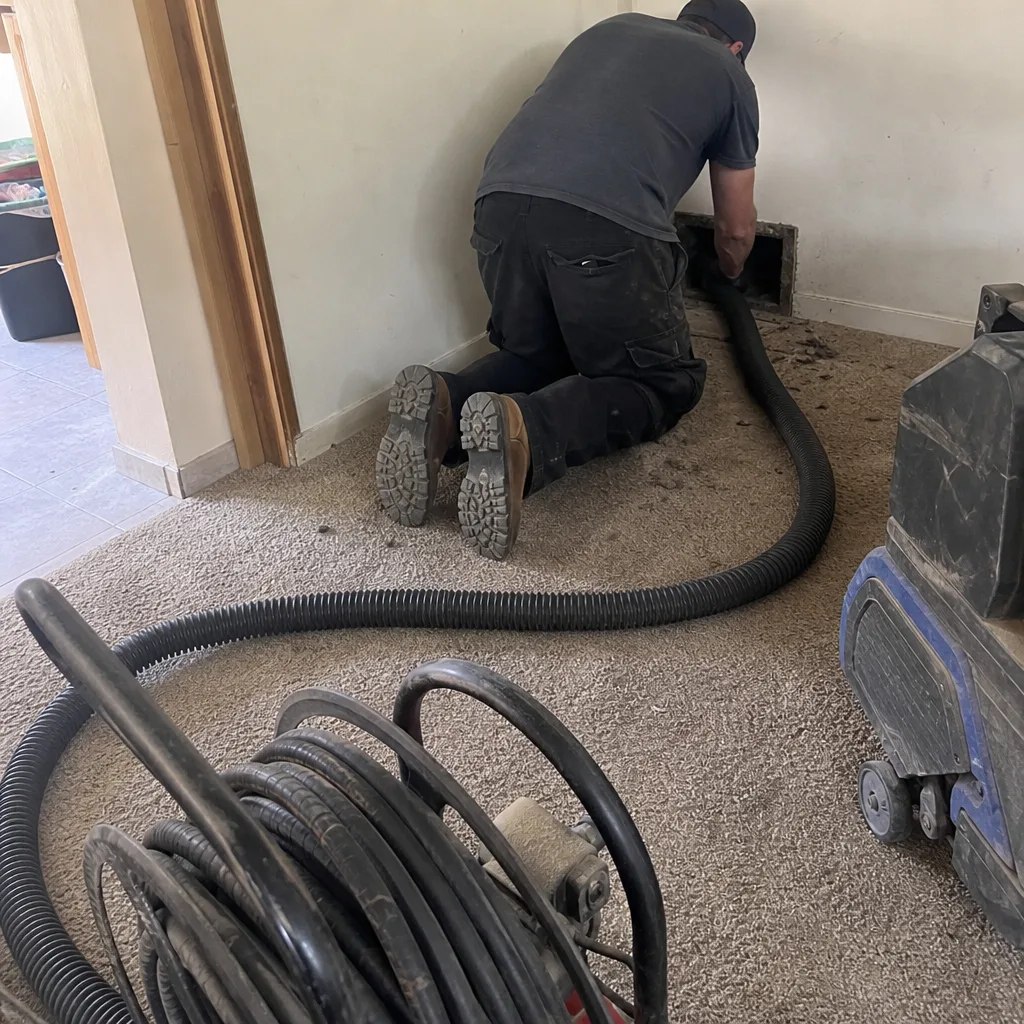 Before
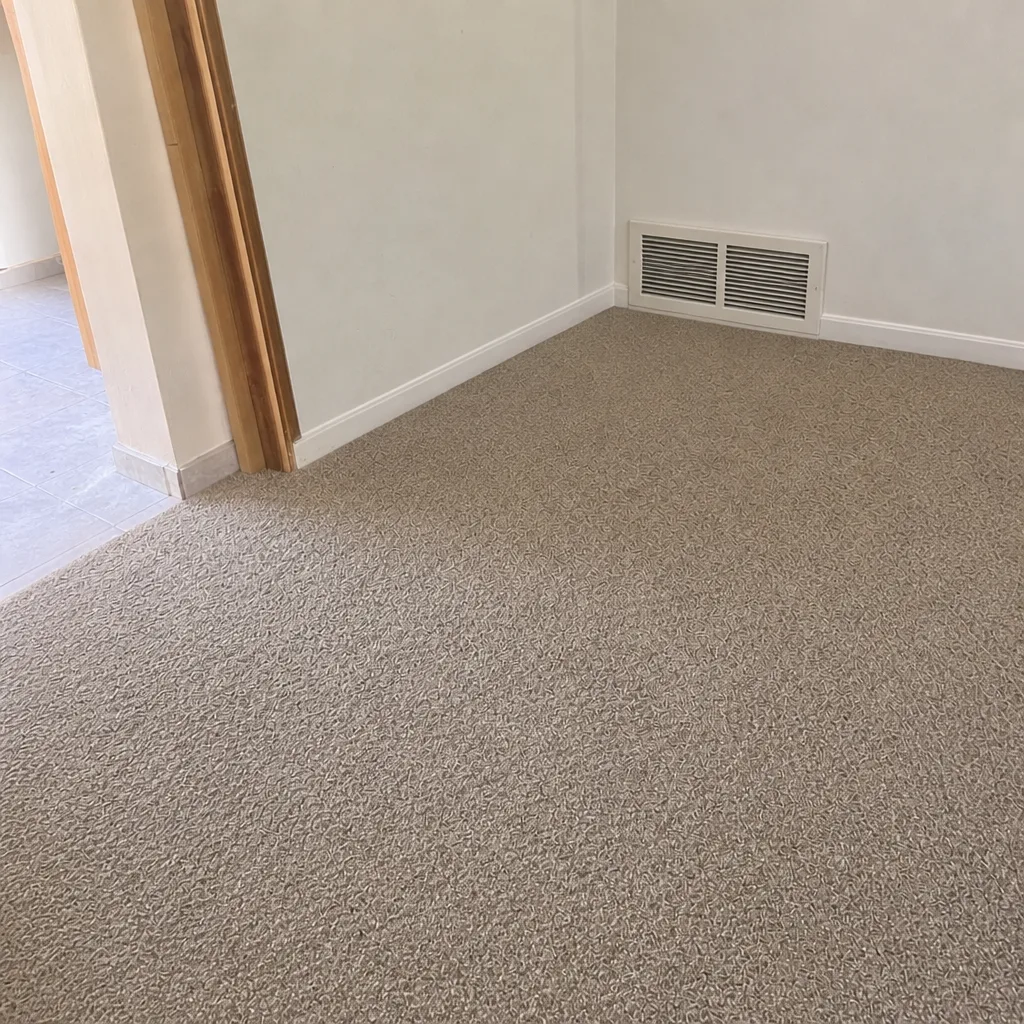 After
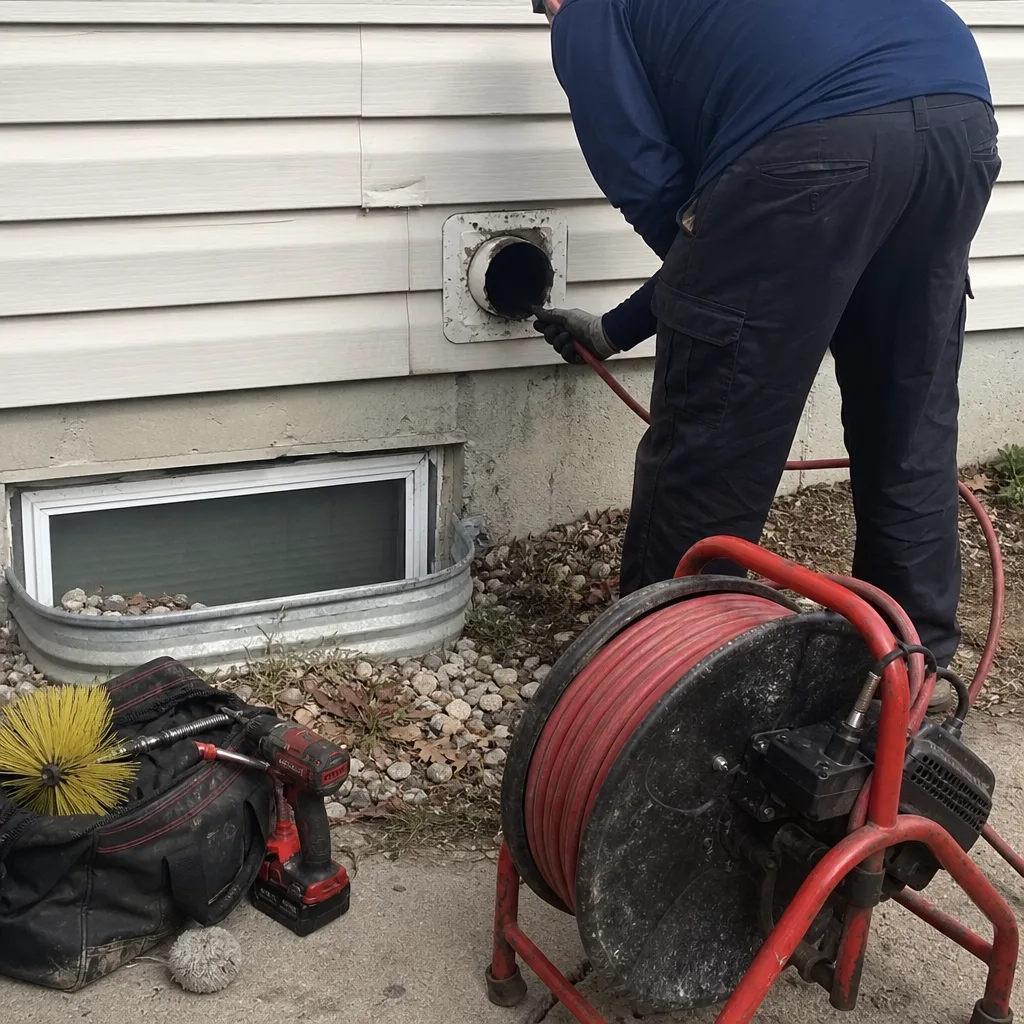 Before
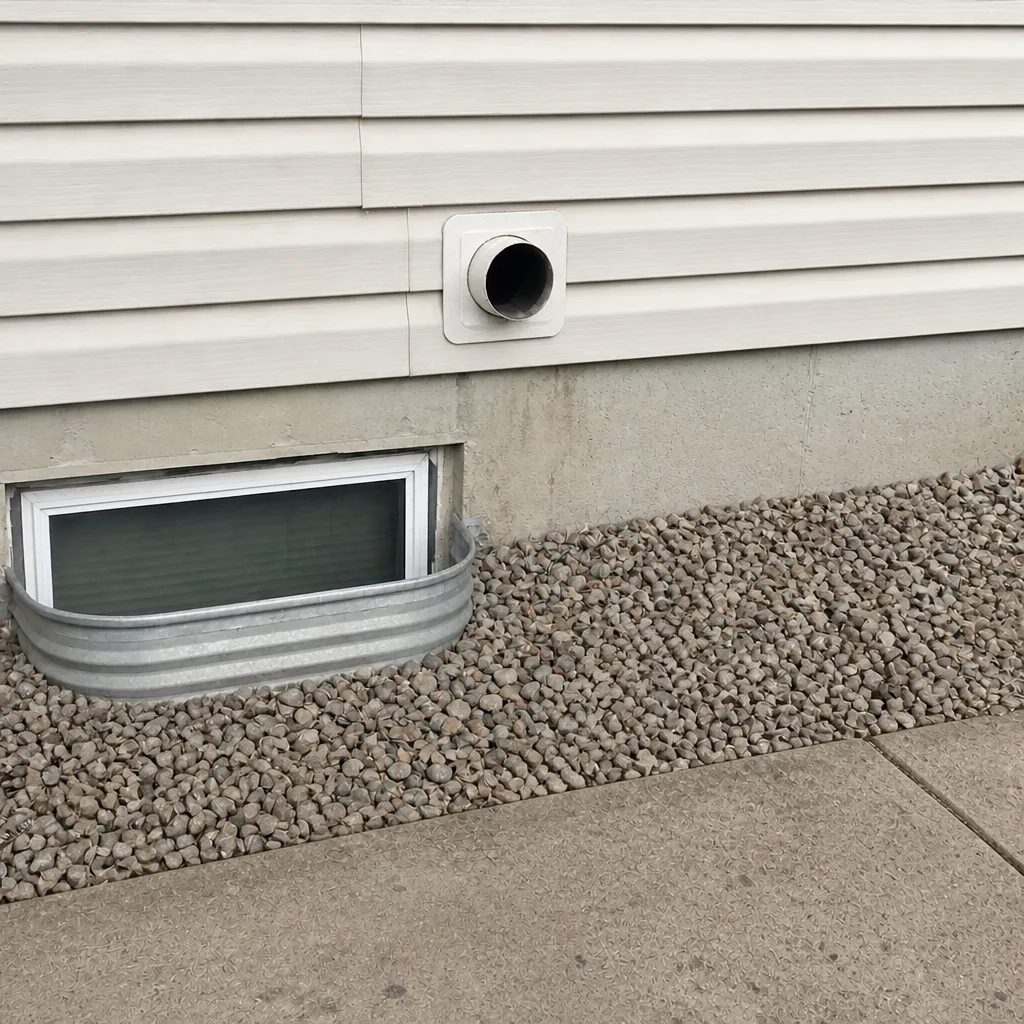 After
When to Call a Professional
The checklist exists to tell you when a professional visit is the right call – and to hand that professional useful information when you make it. Call when you see visible surface buildup at more than a couple of registers, when any register shows falling airflow that stays down through two measurements, when a renovation has run its course and debris is visible, when a musty or smoky odor lingers after the system starts, or when a wet-weather season leaves condensation near registers or equipment. If you’ve logged across the year and the trend is downward at the same points, that’s a call too. Commerce City Air Duct Cleaning Pros offers free estimates in Commerce City – call (844) 625-7459. We answer 24/7. Fast dispatch from 7am to 7pm, Sunday through Friday.
Frequently Asked Questions
Monthly for a quick visual inspection with a photo, and twice a year for the full airflow baseline. The monthly check takes only a few minutes and rebuilds a photo record that makes changes easy to spot. If a renovation or wildfire smoke event occurs, add a check right after.
Match the filter to your equipment’s design specification, not the highest rating available. A denser filter protects indoor air but can reduce airflow on a system that wasn’t built for it. Check the manufacturer documentation or ask a technician during a routine HVAC cleaning visit before jumping to a higher number.
Not every renovation, but any project that involved drywall, sanding, or significant demolition creates fine dust that settles into the system. If you can see drywall dust at the registers or notice debris in the return, plan a cleaning. Small paint-and-patch projects usually don’t warrant it.
Compare registers. One register dropping while neighbors stay steady usually means a branch obstruction or a disconnected fitting. Several registers falling together usually points to the blower, coil, or a leak in the trunk. Your baseline log is what makes that comparison possible, and a professional inspection can confirm which.
Keep a dated log of filter changes and any professional service, plus invoices for cleaning, repair, and sealing work. If you install air quality hardware from brands like Honeywell or Aprilaire, note the model numbers with the equipment records. A clean paper trail makes any future warranty claim straightforward.
Yes. Musty odors on system startup, condensation on register faces, and any dampness in registers near foundation walls or crawlspaces are the early signs. If any of those appear after spring snowmelt, that’s a signal to call for an inspection rather than wait for the next scheduled cleaning. Call (844) 625-7459. We answer 24/7. A call outside dispatch hours is booked into the next opening, Sunday through Friday, 7am to 7pm.
The Bottom Line
The real checklist isn’t a calendar card. It’s an observation habit. Photograph your registers monthly, log airflow at taped spots twice a year, keep a filter and service record for warranty protection, and treat Commerce City triggers – wildfire smoke, spring snowmelt, renovation dust – as events that reset the cleaning clock on their own. When your log shows a trend you can’t explain, call. The evidence you’ve collected is what turns a routine cleaning visit into a targeted, useful service instead of a guess.
Call (844) 625-7459 for a free estimate. We answer 24/7. Fast dispatch from 7am to 7pm, Sunday through Friday. Our technicians have up to 9 years of experience and work with professional-grade equipment from Rotobrush, Nikro, and Abatement Technologies, so the visit that shows up matches the checklist you’ve built.
Written by the team at Commerce City Air Duct Cleaning Pros.