
Last updated November 25, 2026
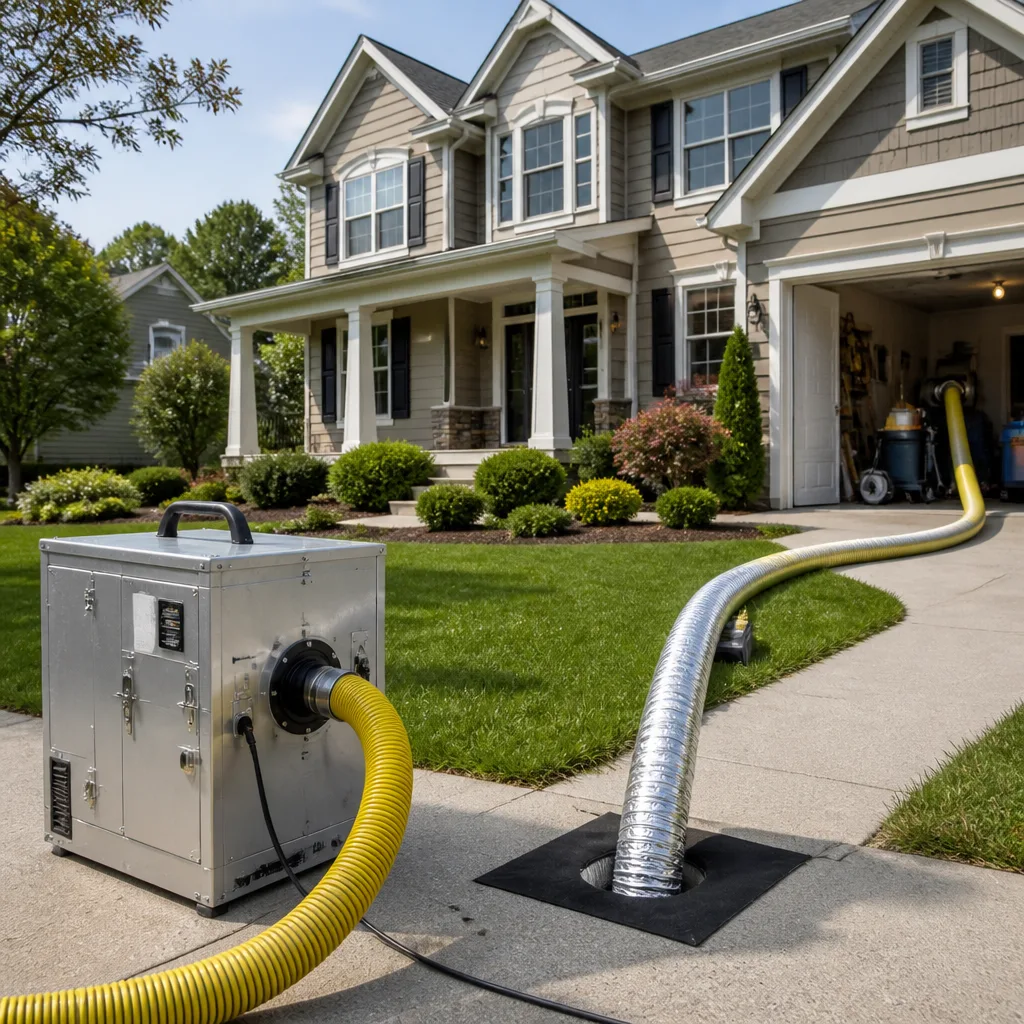 Whole-home duct cleaning
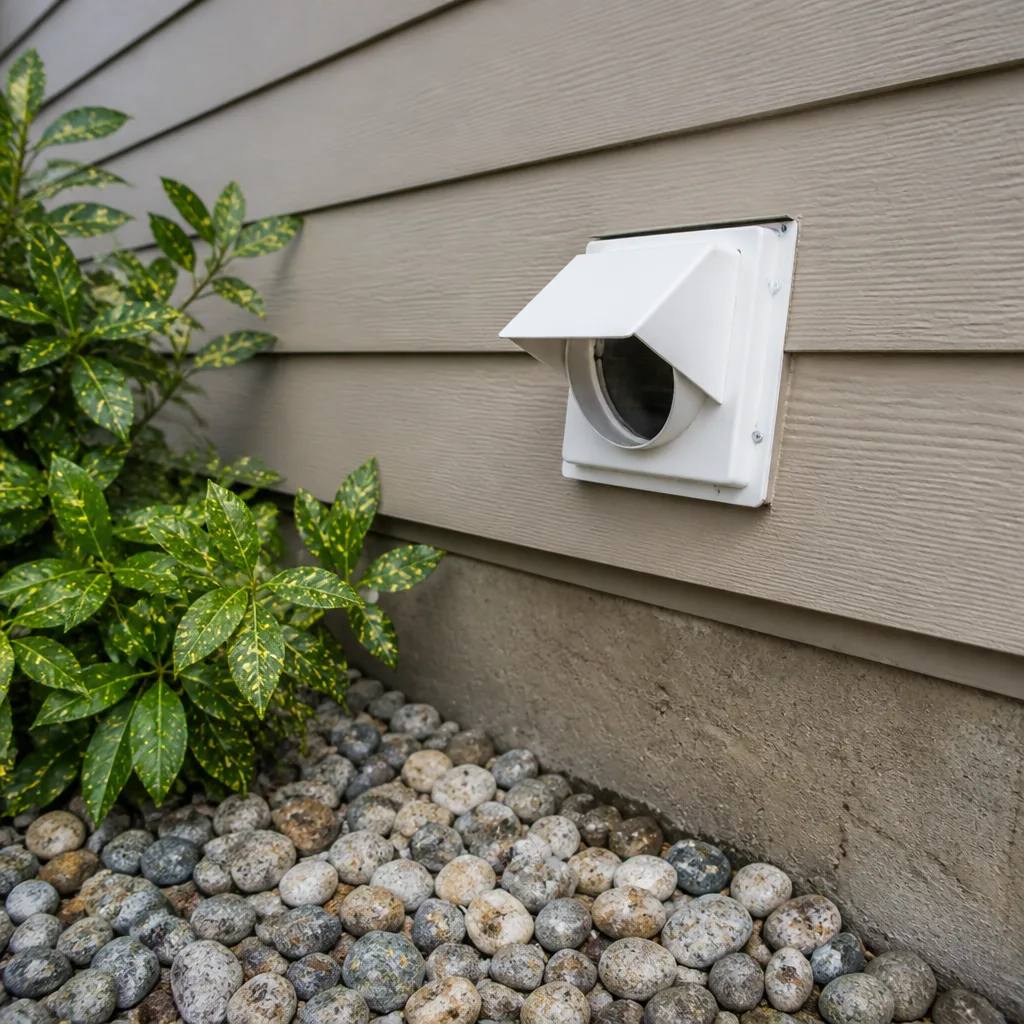 Dryer vent cleaning
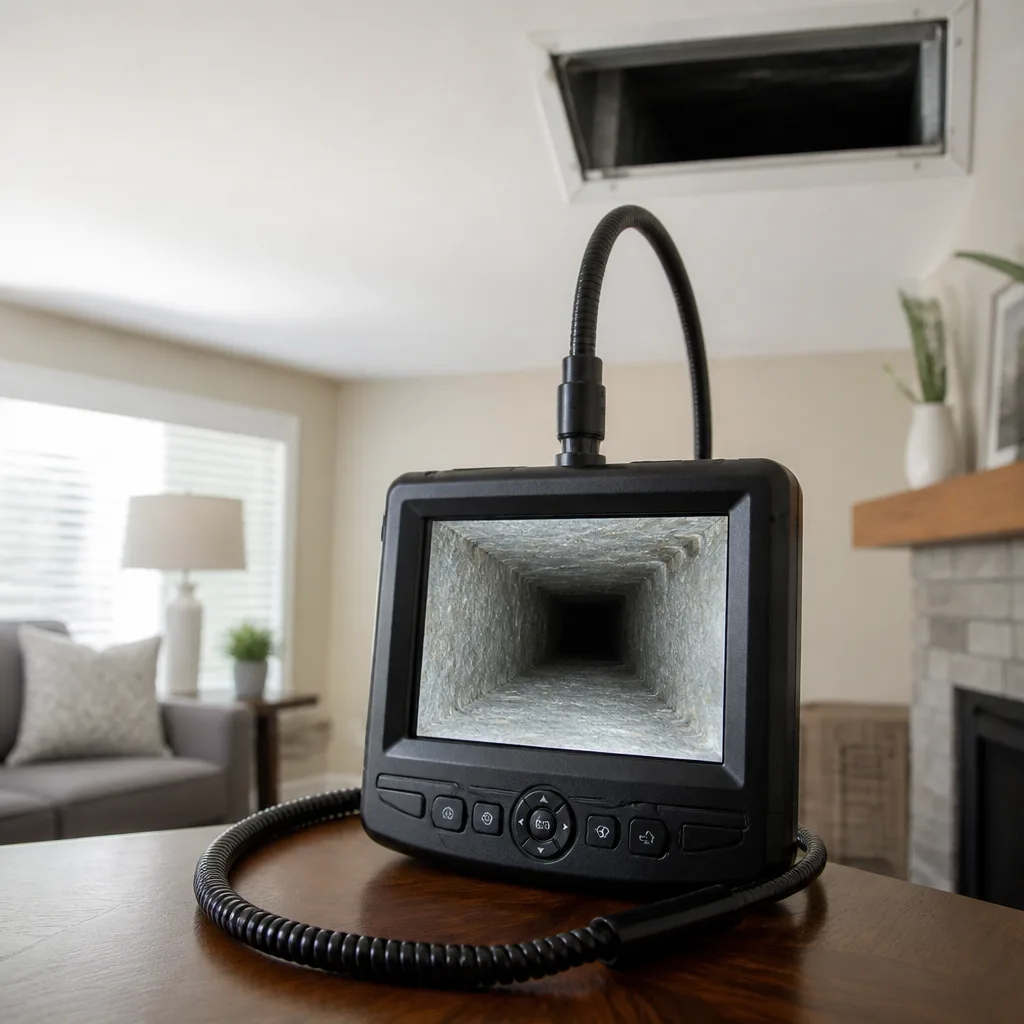 Camera inspection
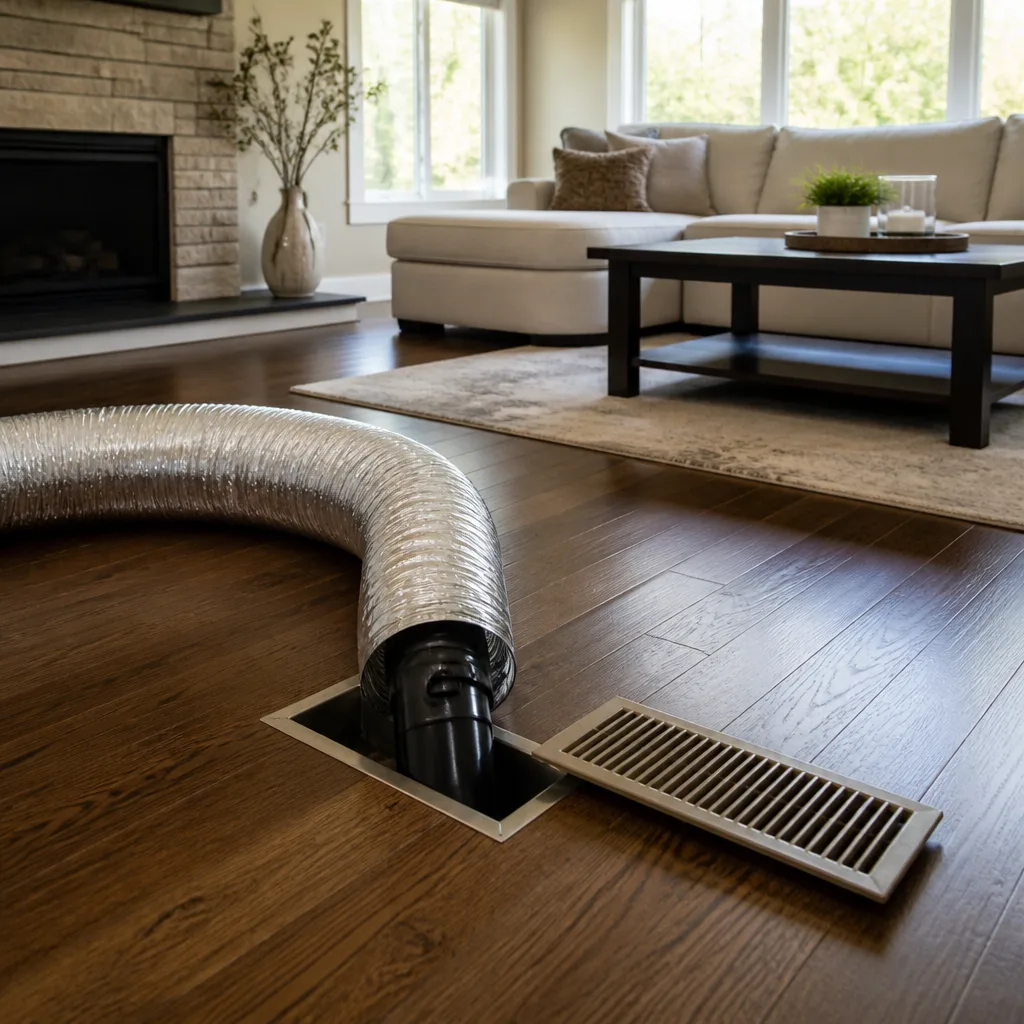 Sanitizing & deodorizing
Whole-system duct and dryer vent check with before-and-after photos - you see exactly what came out of your vents
That "$99 whole-house special" is a bait ad - the real number appears once they are in your hallway, or the "clean" is a shop-vac at the register. We photograph the inside of your ducts before and after instead.
Air Duct Cleaning Maintenance Schedule: What to Do and When
Most homeowners treat duct cleaning like a smoke detector battery: replace it every few years and forget it. That rule of thumb fails because it assumes every household generates the same amount of debris at the same rate. A home with two shedding dogs, an older undersized return system, and Commerce City’s spring wind events can push ducts to problem levels in under two years. The same system in a childless, pet-free household might safely stretch to six. The honest answer to “how often” depends on your specific conditions, not an industry average. This guide breaks the schedule into monthly, seasonal, annual, and multi-year tasks, so you can build a cadence around your home instead of guessing at a calendar.
Quick Answer
There’s no universal “every three to five years” rule that fits every Commerce City home. A reasonable baseline is a professional inspection every 2 to 3 years and a full cleaning every 3 to 5 years, but that interval shortens to 18 to 24 months for households with pets, allergy sufferers, recent renovations, or heavy HVAC run time. Filter changes happen monthly or quarterly depending on the filter, and sanitizer reapplication roughly once every 12 to 24 months. Inspection, cleaning, filter changes, and sanitizing are four separate tasks on four separate clocks.
Styles & brands we work with
- Whole-home duct cleaning
- Dryer vent cleaning
- Camera inspection
- Sanitizing & deodorizing
Table of Contents
- The decision matrix: what actually shortens your schedule
- Why cleaning, inspection, filters, and sanitizing run on four clocks
- Commerce City air quality factors most guides ignore
- Monthly tasks: what to do every 30 days
- Seasonal tasks: what to do every spring and fall
- Annual tasks: the yearly checklist
- The multi-year clock: cleaning and major inspection
- Why a post-cleaning baseline report beats calendar guessing
The Decision Matrix: What Actually Shortens Your Schedule
The generic “clean every 3-5 years” recommendation is a starting point, not a plan. In our experience, four variables move the needle on duct debris accumulation more than anything else: how many pets live in the home, how many people in the house have respiratory sensitivities, how much renovation dust has been generated recently, and how many hours a day the HVAC blower runs. Each factor adds time or subtracts it from the baseline interval. Here’s how we think about each one.
- Pets: One shedding dog or cat drops the interval by roughly 30 to 50 percent. Two shedding pets can push a five-year baseline down to 24 months. Hair and dander get drawn into returns and settle on duct walls, where they act as a base layer for more debris.
- Allergy or asthma sufferers in the home: Subtract 25 to 40 percent from the baseline. When someone in the household reacts to airborne particulates, cutting the interval shortens the window where accumulated dust keeps recirculating.
- Recent renovation: Any drywall, flooring, or cabinet work in the past 12 months adds a one-time cleaning task at the end of the project, regardless of the calendar. Fine drywall dust travels further through return systems than most homeowners expect.
- HVAC run hours: A system running 8 to 10 hours a day in summer or winter cycles more air through the ducts than one running 4 hours a day. High run hours shorten the interval by 20 to 30 percent.
- Duct age and material: Older galvanized steel with loose joints pulls in unconditioned attic or crawl air, which carries its own dust load. Flex duct with kinks or sags collects debris faster than rigid duct. Both shorten the interval.
Start with a 4-year baseline for an average Commerce City home, then apply each reducer. A household with two shedding dogs, one allergy sufferer, and chronic high run hours lands closer to 18 months. A childless, pet-free household with a newer rigid-duct system and moderate run hours lands closer to 6 years. The point is that two houses on the same block can need very different schedules, and building your own cadence starts with counting the variables above.
Why Cleaning, Inspection, Filters, and Sanitizing Run on Four Clocks
Most maintenance advice blurs four separate jobs into one “duct cleaning” event. They’re distinct tasks with distinct intervals, and treating them as a single annual chore is how homeowners end up either over-cleaning or under-maintaining the system. Each task addresses a different problem, and each has its own natural cycle.
- Cleaning removes accumulated debris from duct interiors, registers, and the supply and return trunks. The interval runs from every 18 months to every 6 years depending on your household variables.
- Inspection is a visual and mechanical check of duct condition: joints, seams, insulation integrity, moisture, and any signs of pest activity. Inspections happen more often than cleanings because they’re cheaper and catch structural problems before they become cleaning jobs.
- Filter changes happen monthly or quarterly depending on the filter’s MERV rating and thickness. A 1-inch MERV 8 filter needs changing roughly monthly. A 4-inch media filter can run 6 to 12 months. A washable filter gets rinsed every 30 to 60 days.
- Sanitizer reapplication addresses microbial growth and odor at the duct level. That’s typically a once-a-year to once-every-2-years task, and only when the home actually needs it (post-renovation, after a moisture event, or when occupants report persistent odor).
The mistake we see most often is a homeowner cleaning ducts proactively but changing filters late, or changing filters diligently but never scheduling an inspection. Because the four clocks run independently, a single “annual duct cleaning” habit misses three of them. A proper air duct cleaning visit resets the cleaning clock, but the filter and inspection clocks keep ticking on their own.
Commerce City Air Quality Factors Most Guides Ignore
Commerce City sits in the South Platte River valley northeast of Denver, downwind of Front Range weather patterns and near active agricultural land to the north and east. That geography matters for duct maintenance in three specific ways, and ignoring it means building a schedule that works in a generic suburb but underserves Commerce City homes.
Spring agricultural dust. From roughly March through May, sustained winds across the eastern plains lift topsoil and field dust into the air throughout the South Platte valley. The dust load in Commerce City during those months runs higher than in neighborhoods tucked against the foothills to the west. For homes with older windows, attic bypasses, or return systems that pull from a garage, that dust finds its way into the ductwork faster.
Wildfire smoke seasons. Summer smoke from Front Range and mountain fires pushes fine particulates into the air for weeks at a time. When windows stay closed and the HVAC system recirculates interior air, the duct system becomes the primary air path in the home. A duct network that’s carrying two or three years of accumulated dust cycles more of that particulate through the living space during smoke events.
Construction activity in rapidly developing Adams County. New subdivisions, roadwork, and commercial construction across Commerce City and surrounding Adams County generate airborne concrete and drywall dust that settles into nearby homes. Homes within a half-mile of an active construction site often need an additional cleaning at the end of a build cycle, separate from their regular calendar.
In our experience, Commerce City homes on the eastern edge of the city and near the I-76 corridor see a slightly shorter cleaning interval than homes closer to the Rocky Mountain Arsenal Wildlife Refuge, where neighbors are further apart and dust-generating activity is lower. Neither the eastern nor western side of Commerce City avoids the spring dust plume entirely, so the difference is measured in months, not years.
Monthly Tasks: What to Do Every 30 Days
The monthly checklist is deliberately short: three small tasks that keep the system from degrading quietly between professional visits. None of them require tools, and none of them touch the inside of the ductwork. They’re the daily-driver maintenance that separates a duct network that holds up for years from one that quietly fills with dust.
- Change or check the filter. If you run a 1-inch filter, replace it monthly. If you run a 4-inch media filter, check the pressure drop or the visible dust line and change when it’s loaded. A clogged filter forces the blower to work harder and raises the recirculation of dust that gets past the filter.
- Vacuum the return grilles. A quick pass with a brush attachment removes the surface dust that collects on return covers. That dust would otherwise be sucked into the duct the next time the blower kicks on.
- Check supply registers for visible dust streaks. Streaking at the register face is an early sign that the trunk feeding it is carrying debris. One streaking register doesn’t mean a cleaning is due, but a pattern across multiple registers is a marker to check the multi-year clock.
Set the filter change as a recurring reminder on your phone based on your filter type rather than a single annual date. Most homeowners don’t, and filters get run for 6 months when they were scheduled for 3. That’s a free duct-degradation pathway nobody intends to build.
Seasonal Tasks: What to Do Every Spring and Fall
Spring and fall are the natural check-in points because the system changes mode: heating to cooling, cooling back to heating. Both transitions are good times to look at things the monthly pass doesn’t cover, and the Commerce City seasonal calendar adds a couple of specific checks.
Spring (roughly March through May)
- Walk the exterior intakes and exhausts. Make sure fresh-air intakes and the furnace exhaust are clear of debris, nests, and spring yard work fallout.
- Check the dryer vent on the exterior wall. The transition into warm weather is a good check-in point for the exterior dryer vent flap, and if it’s been more than a year since a professional dryer vent cleaning visit, spring is the right window before lint buildup during summer laundry loads.
- Wipe down supply register faces. Spring dust carries fine soil particles, and a wipe-down at the register face catches what accumulates above the grate.
Fall (roughly September through November)
- Confirm the filter is fresh before heating season. The first long heating run of the year pushes a lot of air through the system. Starting that run with a loaded filter taxes the blower.
- Check any crawl-space or attic duct runs for obvious sag or disconnection. Flex duct in unconditioned space can loosen at joints during temperature swings. A visual check catches the ones you can see.
- Note any changing odors. The first heating cycle of the year is when accumulated dust burns off and becomes smellable. A faint “dusty” smell in the first few hours is normal. A persistent smell through the season is a marker for inspection.
If you’ve noticed more dust settling on surfaces than usual during the summer, fall is the right time to schedule an inspection. A quick check with professional equipment is faster than waiting for the next scheduled cleaning.
Annual Tasks: The Yearly Checklist
The annual checklist is where most of the “should I call someone” decisions get made. One annual commitment to a professional visit covers the parts of the system you can’t see from a register or a filter slot, and it resets your knowledge of the system’s condition for another year.
- Book a professional inspection. This isn’t a cleaning, it’s a look inside the system. Cameras and lighting go into the trunk lines while the technician checks joints, insulation, moisture, and debris load. A good inspection answers whether cleaning is needed now or can wait a year.
- Schedule a professional HVAC cleaning if the system has not been serviced in 12+ months. The blower, evaporator coil, and cabinet harbor dust that a duct cleaning alone won’t reach. Cleaning the whole air-handling chain together is more effective than one component at a time.
- Evaluate sanitizing needs. If someone in the household has asthma or allergies, or if the previous 12 months involved a renovation or water event, ask about duct-level sanitizing during the annual visit.
One annual professional visit, done right, replaces a lot of guesswork. The technician sees inside the system, documents what they find, and hands you a schedule backed by actual observations rather than the years that have passed since the last cleaning.
The Multi-Year Clock: Cleaning and Major Inspection
Full duct cleaning is the longest interval on the calendar, and it’s where the decision matrix earns its keep. A reasonable baseline for an average household is every 3 to 5 years. Apply the reducers from the decision matrix to your specific case. Households with multiple shedding pets, high HVAC run hours, or heavy spring dust exposure land closer to 18 to 24 months. Households with newer rigid-duct systems, no pets, and no respiratory sensitivities can stretch to 6 years.
When the multi-year clock does come due, a full cleaning should look like more than vacuuming at the registers. Here’s what a proper cleaning covers:
- Source-removal setup. The technician uses a negative-air machine to hold dislodged particles inside the work zone, and brings equipment with the containment capability to keep dust from drifting into living space. That’s why Commerce City Air Duct Cleaning Pros works with Abatement Technologies air filtration equipment on-site.
- Mechanical agitation. A rotary brush system travels each run of ductwork from the trunk access point to the register boot, breaking loose the debris that has bonded to the duct wall. Rotobrush and Nikro rotating brush systems are the tool class that gets into full runs rather than just surface-scrubbing what the vacuum can reach.
- Simultaneous extraction. The agitation release and the vacuum capture happen together. A cleaning where agitation dumps debris and the vacuum only pulls from the registers misses most of what’s in the middle of the run.
- Register and boot detail. Supply and return registers, boots, and diffusers get cleaned by hand once the trunk and branches are done.
- Photographic before-and-after documentation. Ducts are photographed at representative interior points, and the debris level observed at baseline is documented in writing.
Clean ducts are only half the job. Many homes that schedule a duct cleaning discover during the visit that a segment of flex duct has pulled loose at a boot, or that a trunk joint has been leaking conditioned air into the attic for years. That’s when a duct repair and sealing visit pays for itself, because sealing loose joints at the same time as cleaning prevents freshly cleaned ducts from immediately re-contaminating with attic or crawl air.
Air quality and sanitizing services sit on the same multi-year clock at a shorter scale. Sanitizing handles microbial growth and odor at the duct level, and a reapplication every 12 to 24 months is the right cadence for households that noticed odor or moisture issues. Households that don’t notice either condition can often space sanitizing further apart. Familiarity with Honeywell and Aprilaire air quality products is useful here: sometimes the better response to recurring odor is adding a whole-home filtration component rather than re-sanitizing every year.
Why a Post-Cleaning Baseline Report Beats Calendar Guessing
Calendar guessing works fine until it doesn’t. Your baseline “every 4 years” estimate gets tested the first time you schedule a visit and discover the system needed cleaning 14 months sooner than you planned. A post-cleaning baseline report turns the guessing into a schedule built on actual conditions, and it’s the single most useful document to keep for the long run.
A useful baseline report contains four things:
- Debris level observed at cleaning. Measured or described at representative points in the trunk and branch ducts. “Moderate accumulation in supply trunk, heavy at returns” tells you the system’s actual load profile.
- Duct condition photos. Interior photos at access points, with the date recorded. Future inspections compare against these photos, which is far more accurate than comparing against memory.
- Condition notes on joints, seams, and insulation. Documented state of the system’s structure, so a follow-up visit can spot changes at a glance.
- Filter type and interval recommendation. Filter size, thickness, and the recommended change interval based on observed load.
With a baseline in hand, the next inspection isn’t a fresh guess, it’s a comparison. If the report shows heavy return-side load last time and the technician sees the same at the next visit, the interval shortens. If the load is lighter, the interval lengthens. Over two or three cleaning cycles, the schedule stops being a rule of thumb and starts being a specific recommendation for that specific home.
Homeowners who buy into a maintenance cadence without ever seeing inside their own ducts are guessing in good faith. Homeowners who keep a baseline report are working from data. The difference shows up in how often they’re surprised by debris-related problems.
Common Mistakes to Avoid
- Following a “3-5 years” rule without applying the decision matrix. The baseline is a starting point, not a schedule. Households with pets or allergy sufferers that follow the 3-5 year rule are typically 12 to 24 months behind what their conditions actually require.
- Cleaning ducts while ignoring filter changes. A fresh duct cleaning with a neglected filter reaccumulates debris quickly. Filters are the system’s first line of defense and need their own monthly or quarterly clock.
- Skipping the spring dust season check. Commerce City’s spring agricultural dust and Front Range wind events load the system harder than fall or winter months. A check at the start of the season catches problems before the heaviest load arrives.
- Assuming light surface dust at registers means ducts are clean. Visible dust at registers is the last signal. Ducts can carry substantial interior debris before anything shows at the register face, which is why interior inspection matters.
- Cleaning without inspecting joints and seals. A company that only vacuums is only solving half the problem. Loose joints and disconnected flex runs undo a cleaning’s benefit by reintroducing unconditioned air. Duct repair and sealing belongs in the same maintenance cycle as cleaning, not as a separate service years later.
- Ignoring the HVAC cabinet and blower. The blower wheel and evaporator coil collect dust that recirculates through the ducts. Cleaning ducts without addressing the air handler leaves a contaminant source in the system. HVAC cleaning and duct cleaning do different jobs and both are on the annual or multi-year schedule.
- Not keeping a baseline report. Without documented photos and debris-level observations, each subsequent visit is a fresh guess. The report is what makes next year’s recommendation accurate.
See the difference
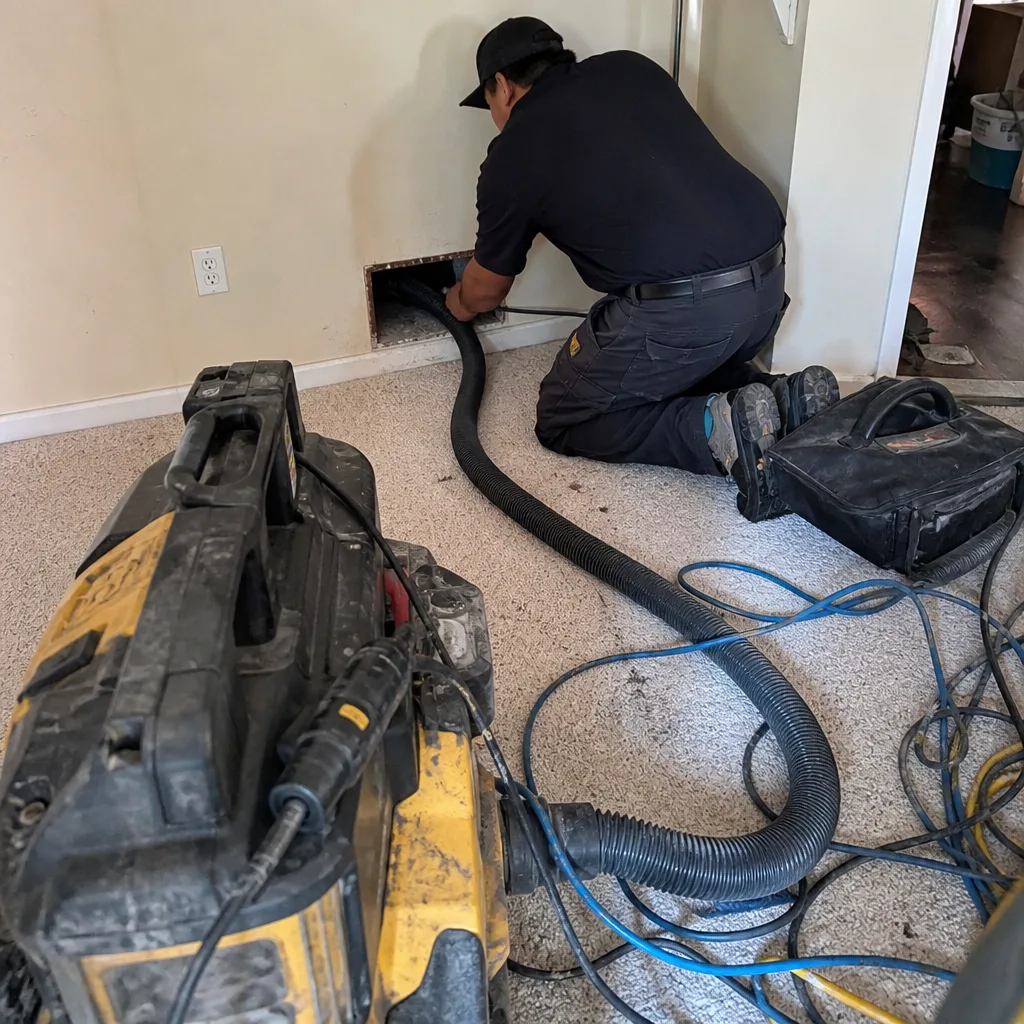 Before
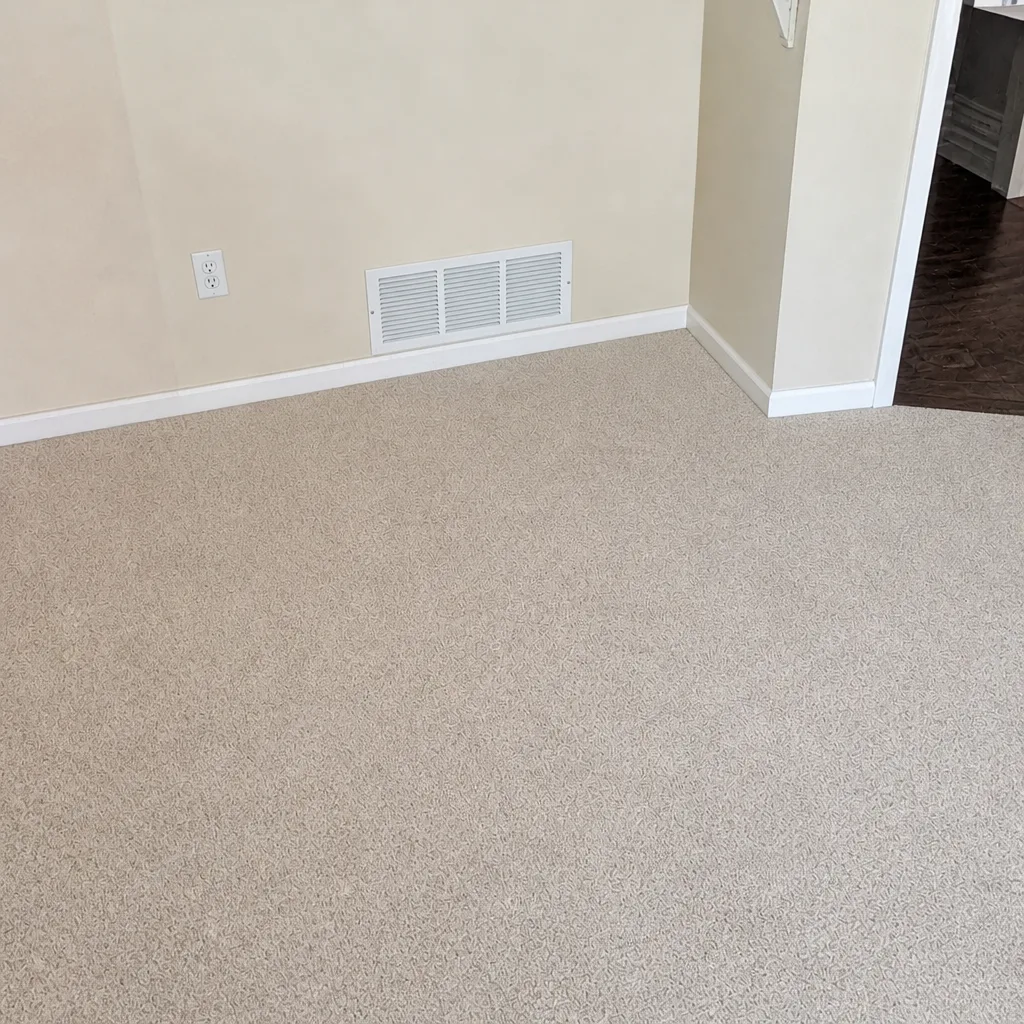 After
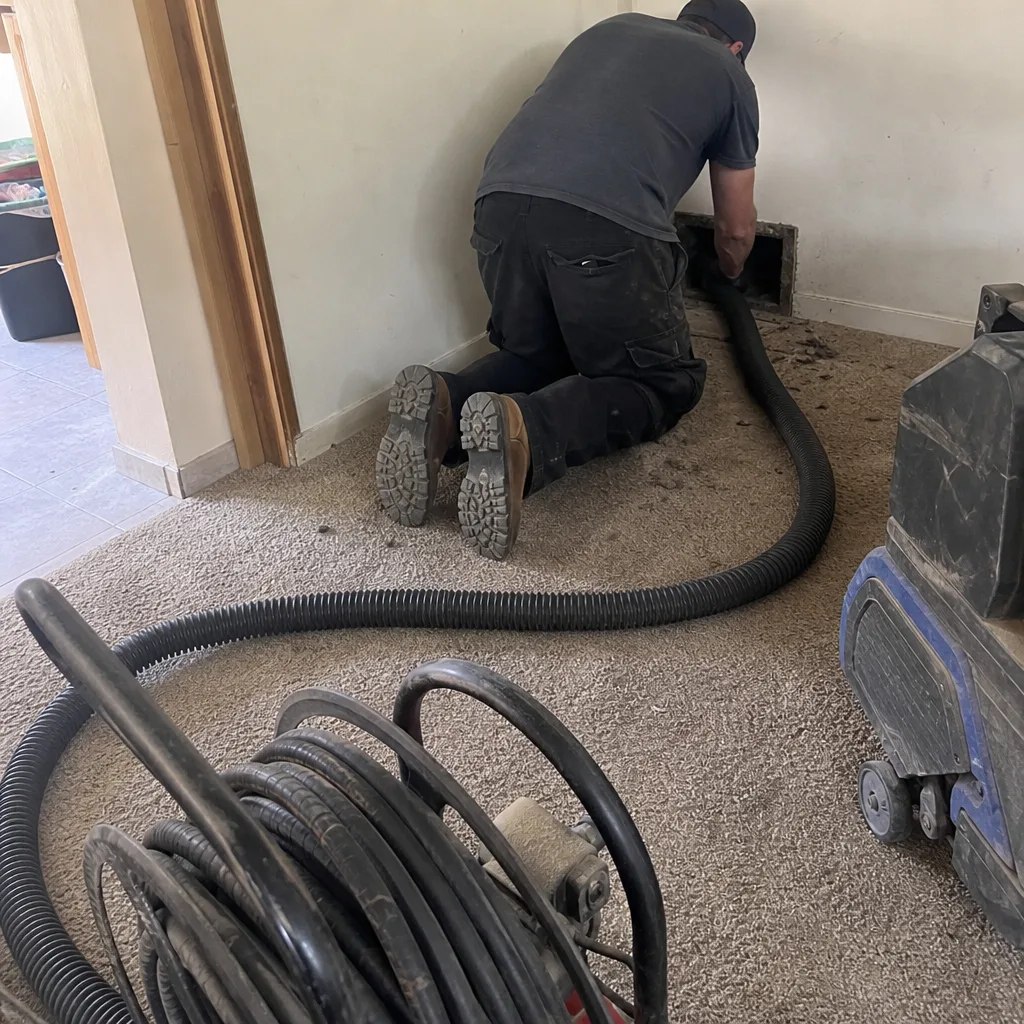 Before
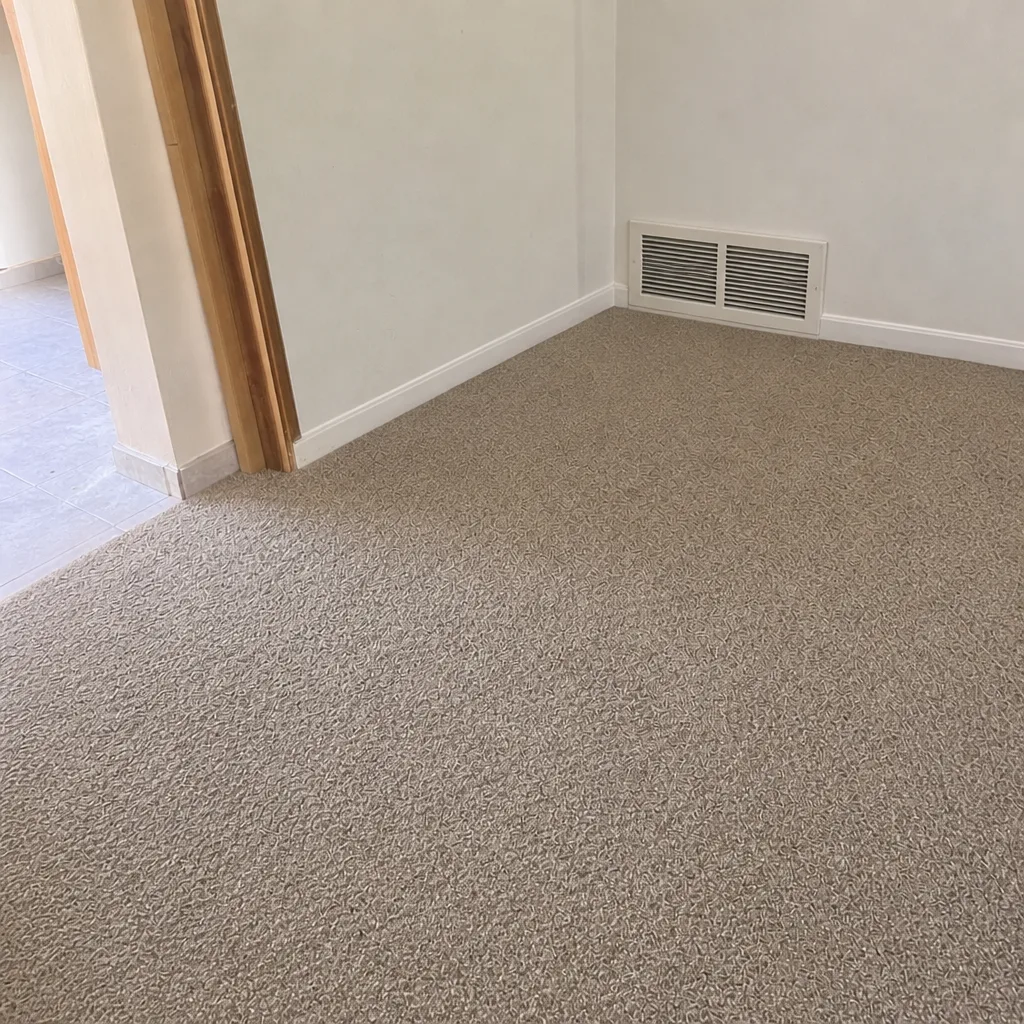 After
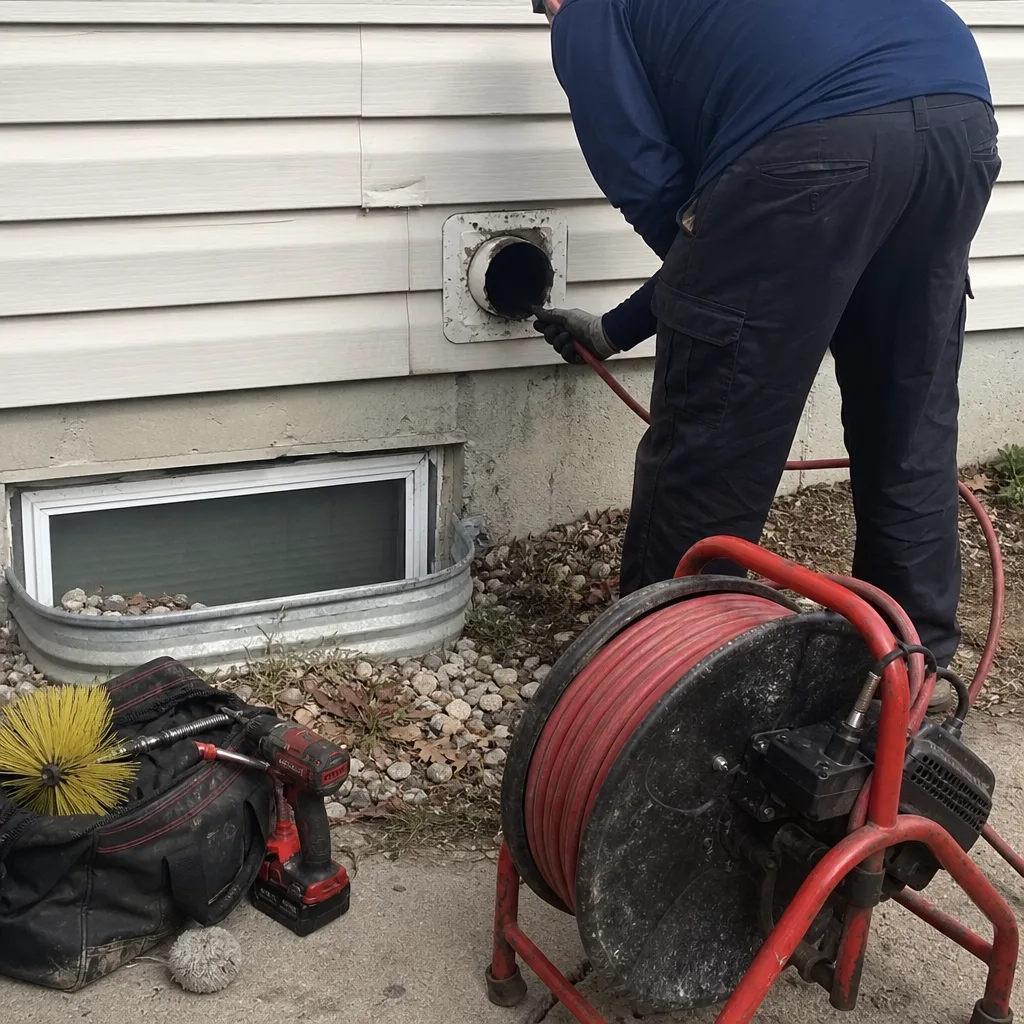 Before
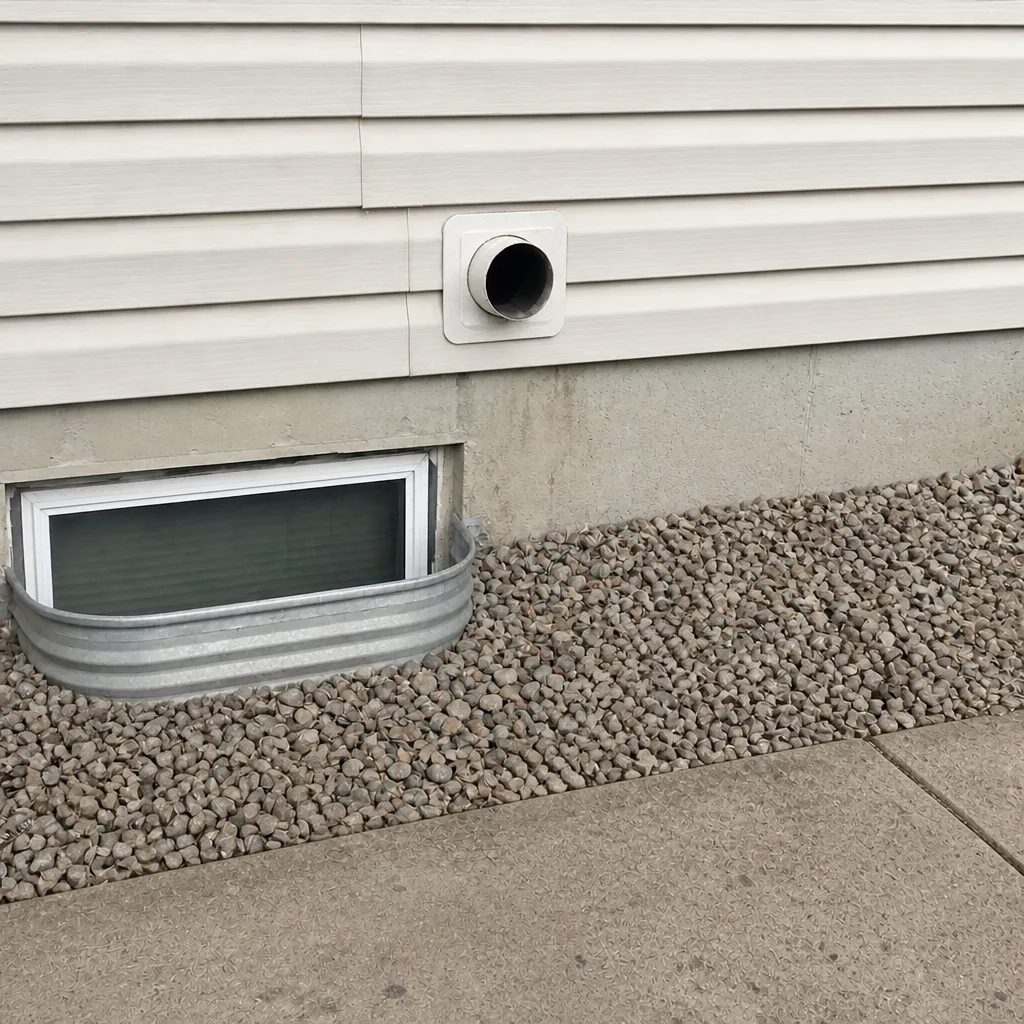 After
When to Call a Professional
Some maintenance is straightforward homeowner territory: filter changes, register wipe-downs, exterior vent checks. Other situations call for a professional visit, and the list is shorter than most homeowners assume. Call for professional service when you notice visible dust streaking from multiple registers, when a recent renovation has generated fine drywall or concrete dust, when someone in the household is having a new round of allergy symptoms that track with the HVAC system, when you’ve just moved into a home with unknown duct history, or when the multi-year clock on cleaning comes due and you want the visit to include inspection, sealing assessment, and documentation in one pass. Weather-related events (smoke seasons, spring dust) are also good trigger points to schedule an inspection.
Commerce City Air Duct Cleaning Pros offers free estimates in Commerce City. Call (844) 625-7459. We answer 24/7. Fast dispatch from 7am to 7pm, Sunday through Friday. Our technicians have up to 9 years of experience, and we work with professional-grade Rotobrush, Nikro, and Abatement Technologies equipment so containment and capture are handled correctly from the start.
Frequently Asked Questions
Most Commerce City homes do best on a 3-to-5-year cleaning interval, shortened to 18 to 24 months for households with shedding pets, allergy sufferers, or high HVAC run hours. Spring dust and summer smoke push the eastern part of the city toward the shorter end. The right schedule is your baseline minus your household variables, not the industry average. Call (844) 625-7459 for an exact quote – estimates are free.
No. Inspection is a visual and mechanical check of duct condition (joints, seams, insulation, moisture, debris level) and typically happens more often than cleaning. Cleaning is the full removal of accumulated debris from duct interiors and registers. There’s no fixed inspection interval, but an annual check during the fall heating transition catches structural issues before they turn into cleaning jobs. Call (844) 625-7459 to schedule an inspection – estimates are free.
Both load the duct system faster than a mild, low-particulate climate. Spring agricultural dust from March through May and summer wildfire smoke from Front Range fires both push particulate into the air, and closed-window HVAC season recirculates that particulate through the ducts. Homes near active construction in Adams County often need an extra cleaning at the end of a build cycle. Call (844) 625-7459 to talk through your specific schedule – estimates are free.
Cleaning alone is enough for most households. Sanitizing is worthwhile when there’s been a renovation, a moisture event, or persistent odor, or when a household member has asthma or allergies. Most households space sanitizer reapplication every 12 to 24 months on its own clock, separate from cleaning. Call (844) 625-7459 for an assessment – estimates are free.
Base it on a post-cleaning baseline report, not a fixed calendar. If your report showed heavy return-side load, plan on the shorter end of your interval. If it showed light load, you can stretch. Most households fall between 18 months and 5 years once the decision matrix is applied. Call (844) 625-7459 to schedule the next visit – estimates are free.
Duct cleaning removes debris from the duct runs, trunks, and registers. HVAC cleaning addresses the air-handling components: blower wheel, evaporator coil, cabinet, and the equipment that pushes air through the ducts. Both accumulate dust on independent schedules, and doing them together is more effective than one at a time. Call (844) 625-7459 for a combined estimate – estimates are free.
The Bottom Line
There’s no universal duct cleaning interval that fits every home. Start with a 4-year baseline and apply the decision matrix: pets, respiratory sensitivities, recent renovation, HVAC run hours, and duct age each move the interval up or down. Keep the four clocks separate – cleaning, inspection, filter changes, and sanitizing each have their own cadence – and account for Commerce City’s spring dust, summer wildfire smoke, and Adams County construction activity. Keep a post-cleaning baseline report so future visits compare against documented conditions, not memory. The result is a maintenance schedule built around your household, not a generic rule, and it holds up better than calendar guessing. When it’s time to inspect or clean, call (844) 625-7459 for a free estimate.
Written by the team at Commerce City Air Duct Cleaning Pros.