
Last updated November 25, 2026
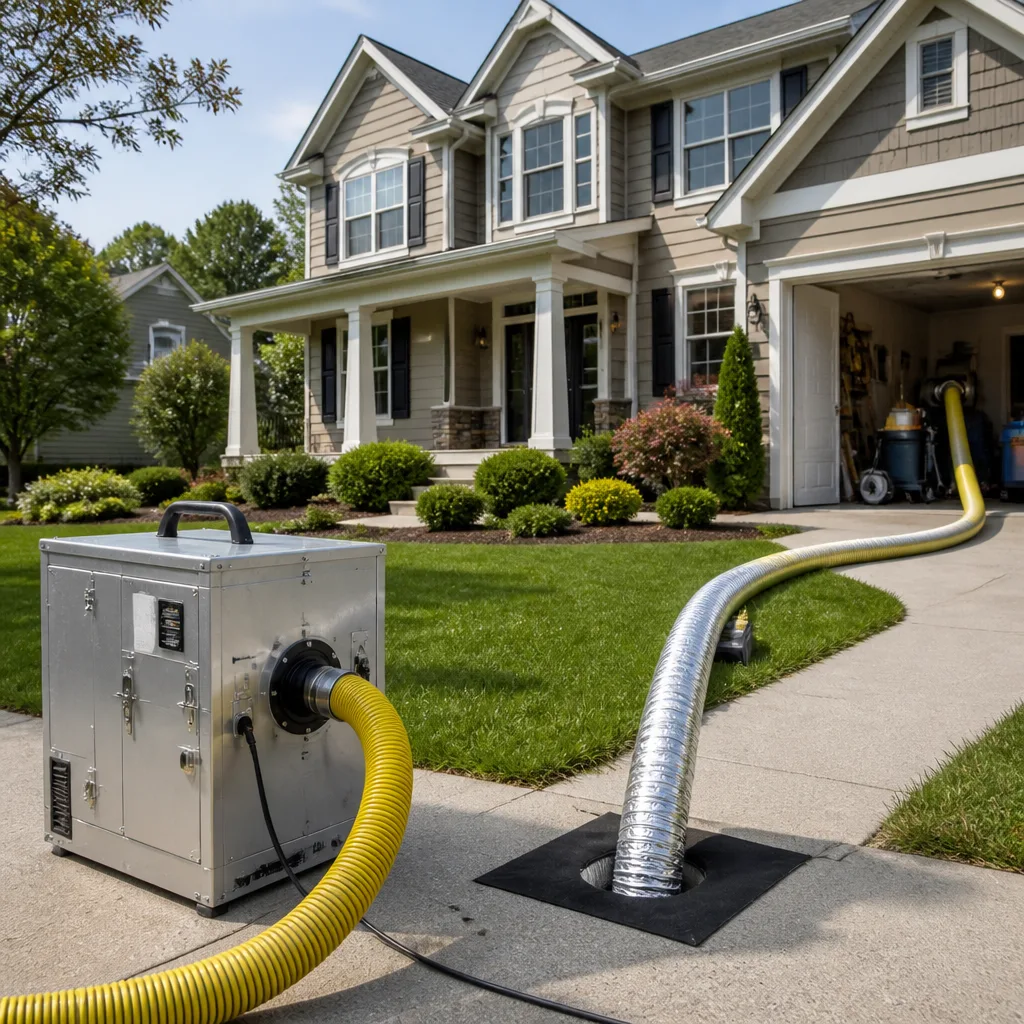 Whole-home duct cleaning
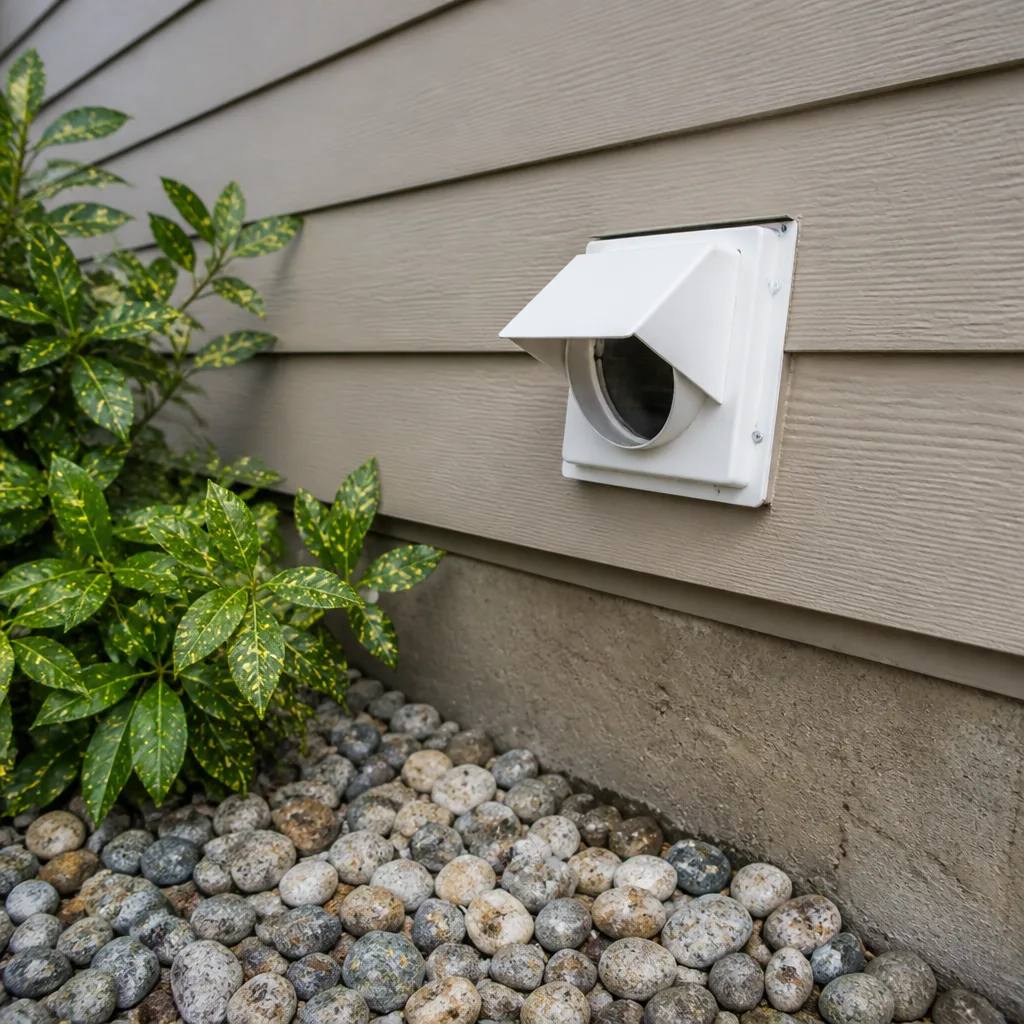 Dryer vent cleaning
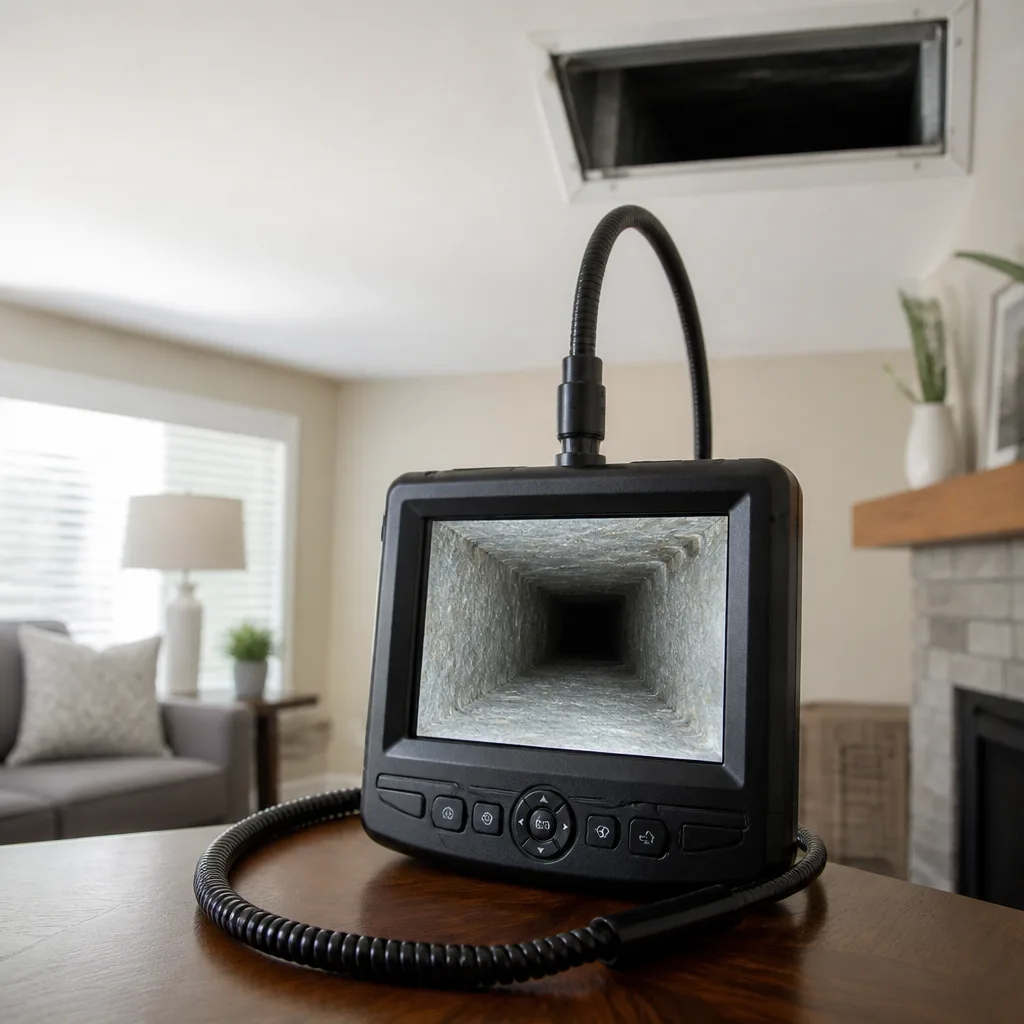 Camera inspection
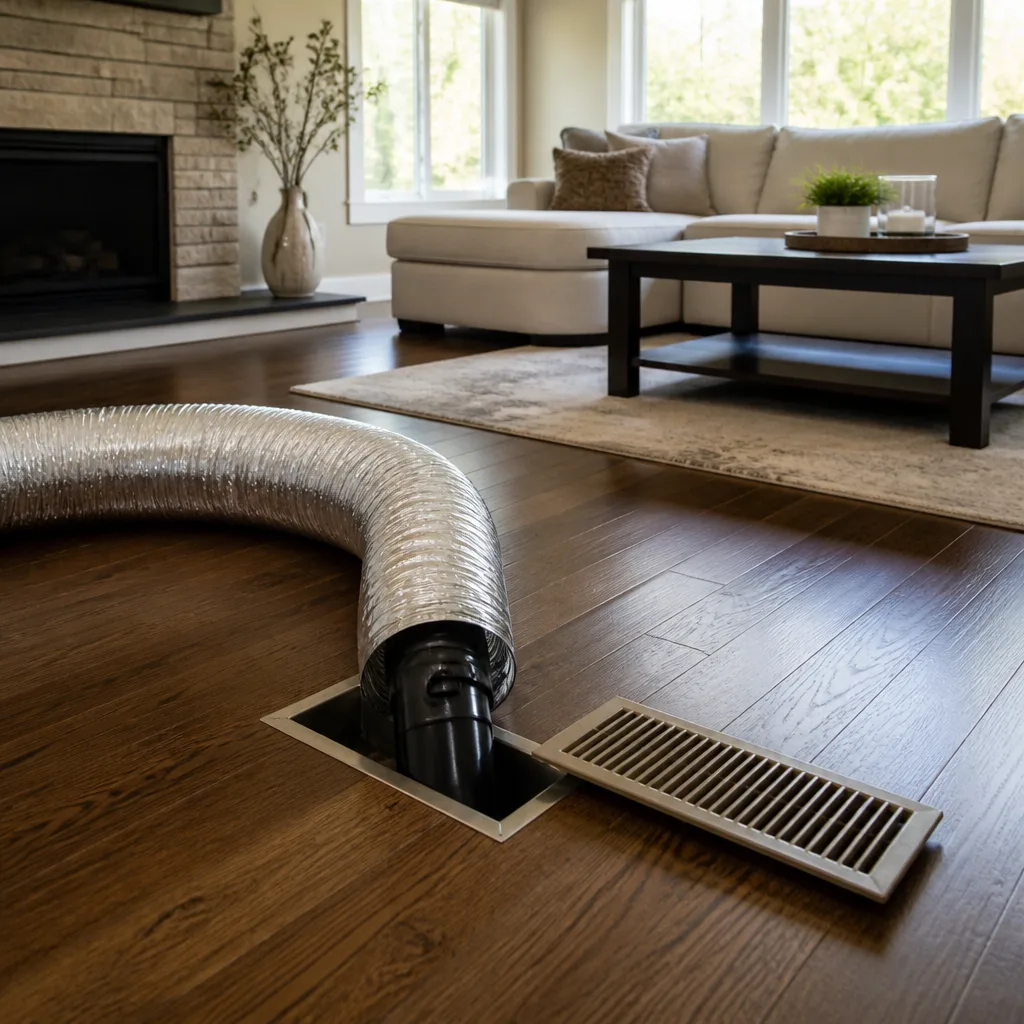 Sanitizing & deodorizing
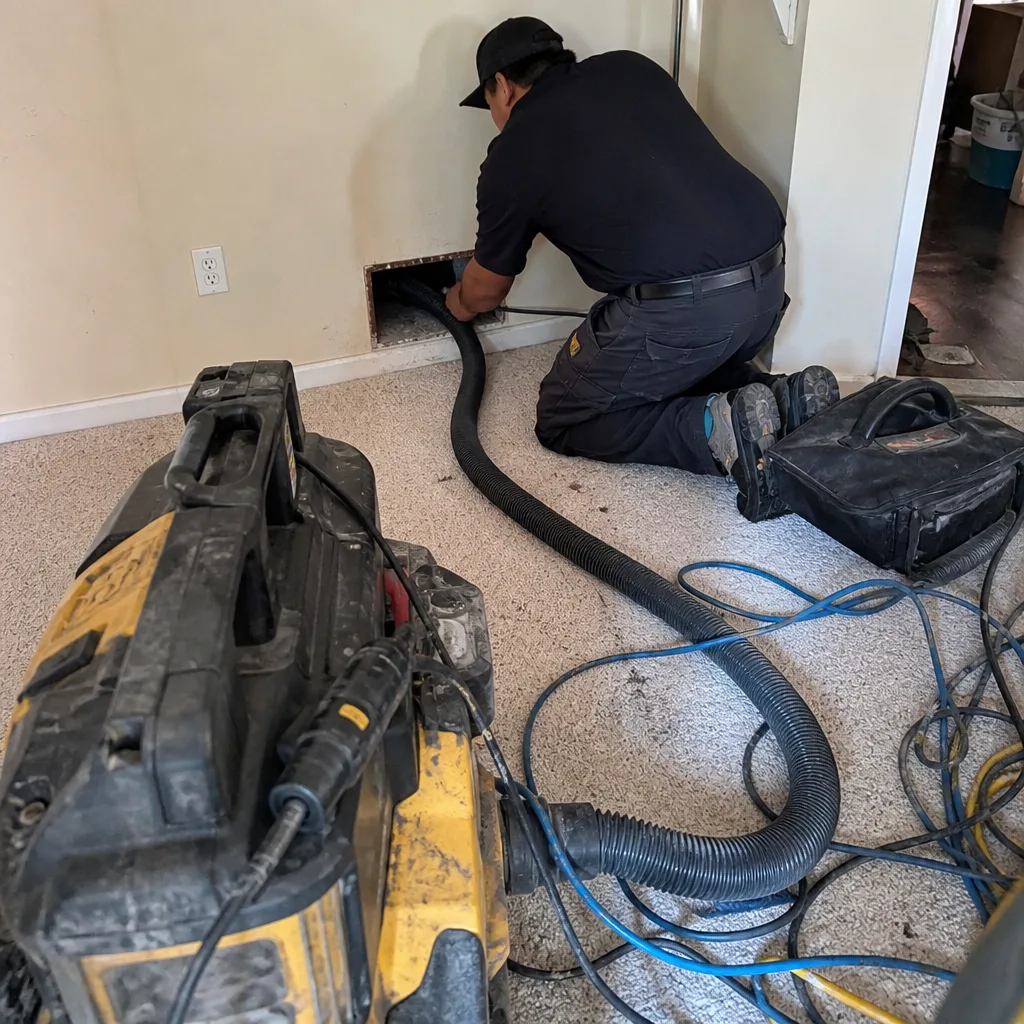
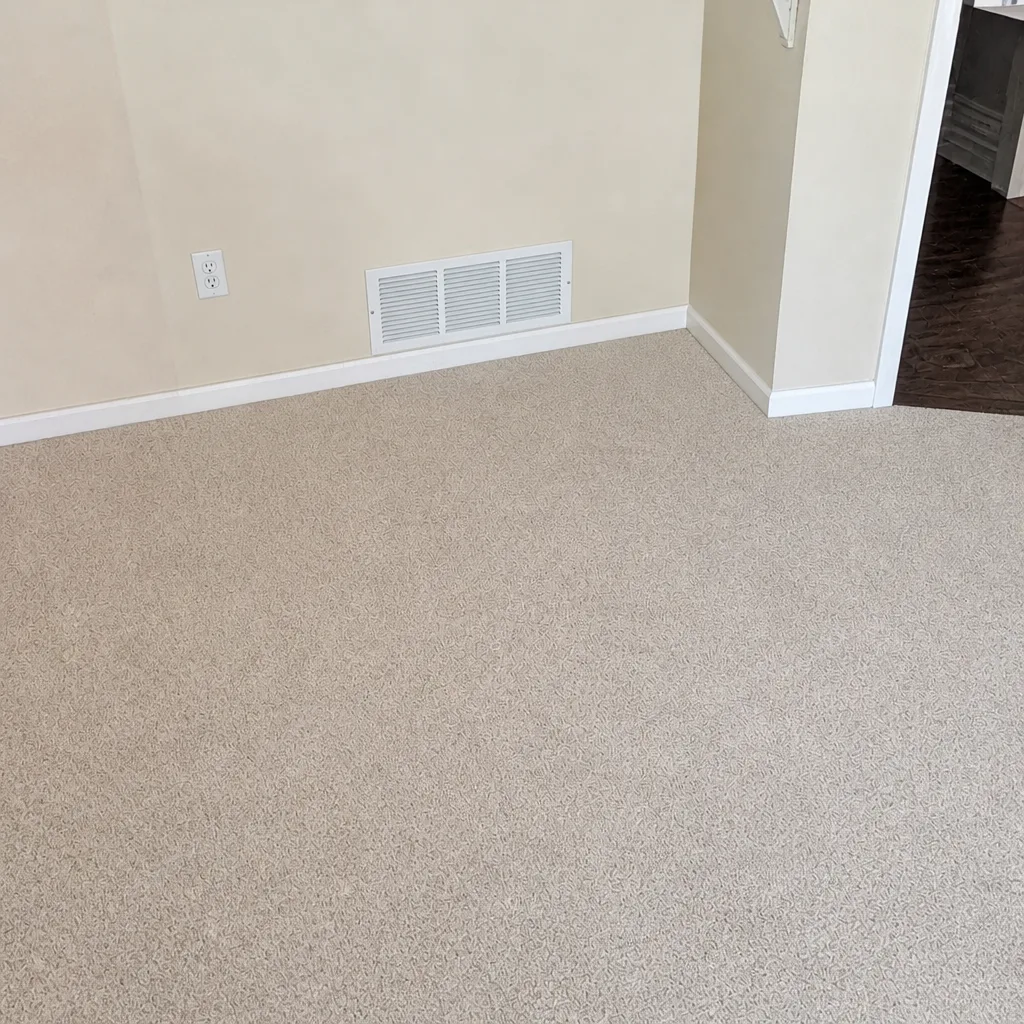
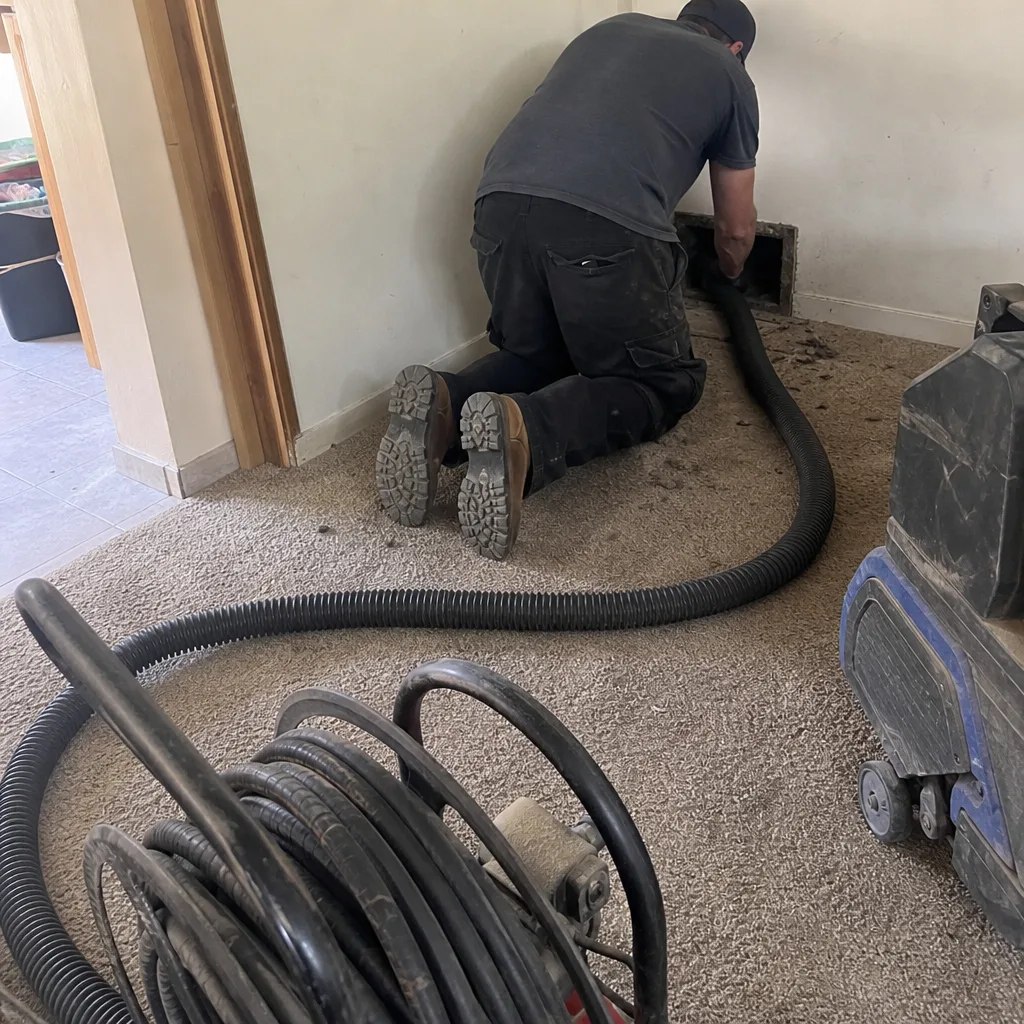
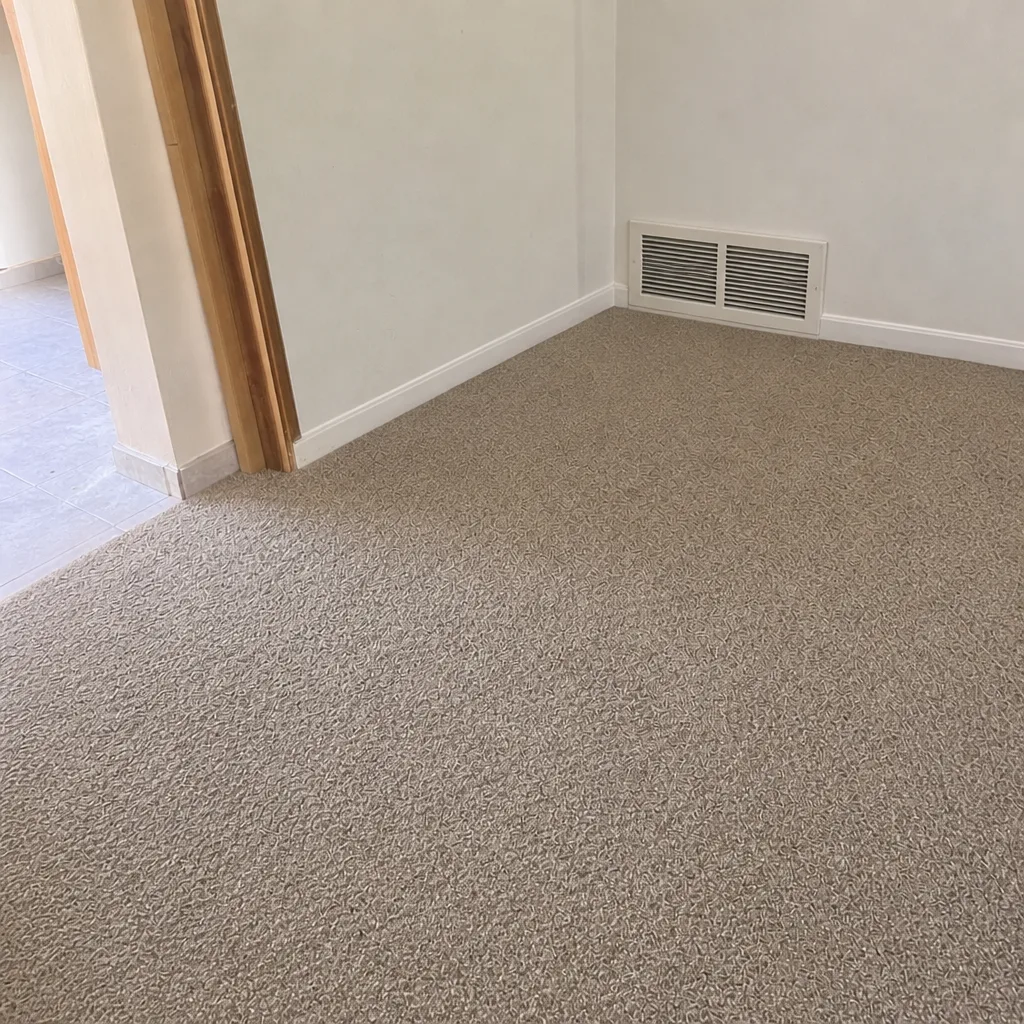
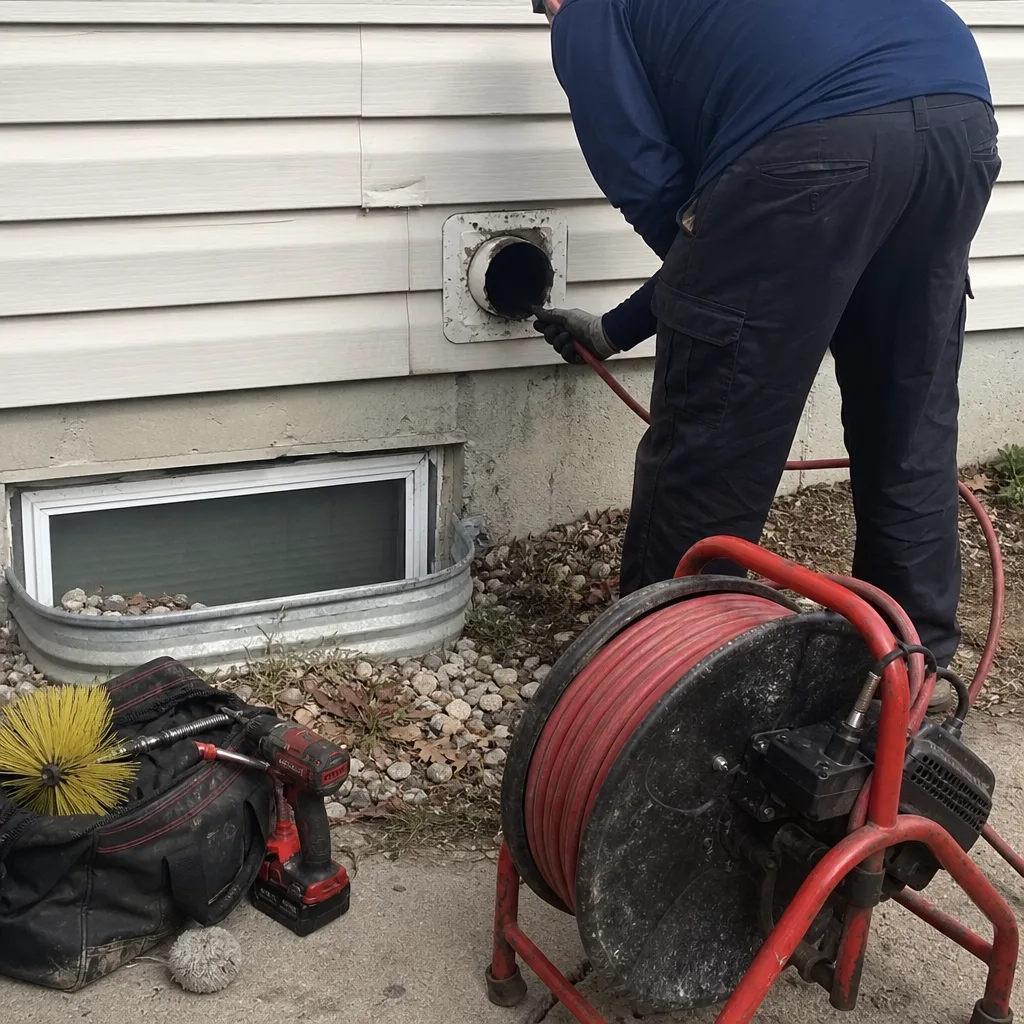
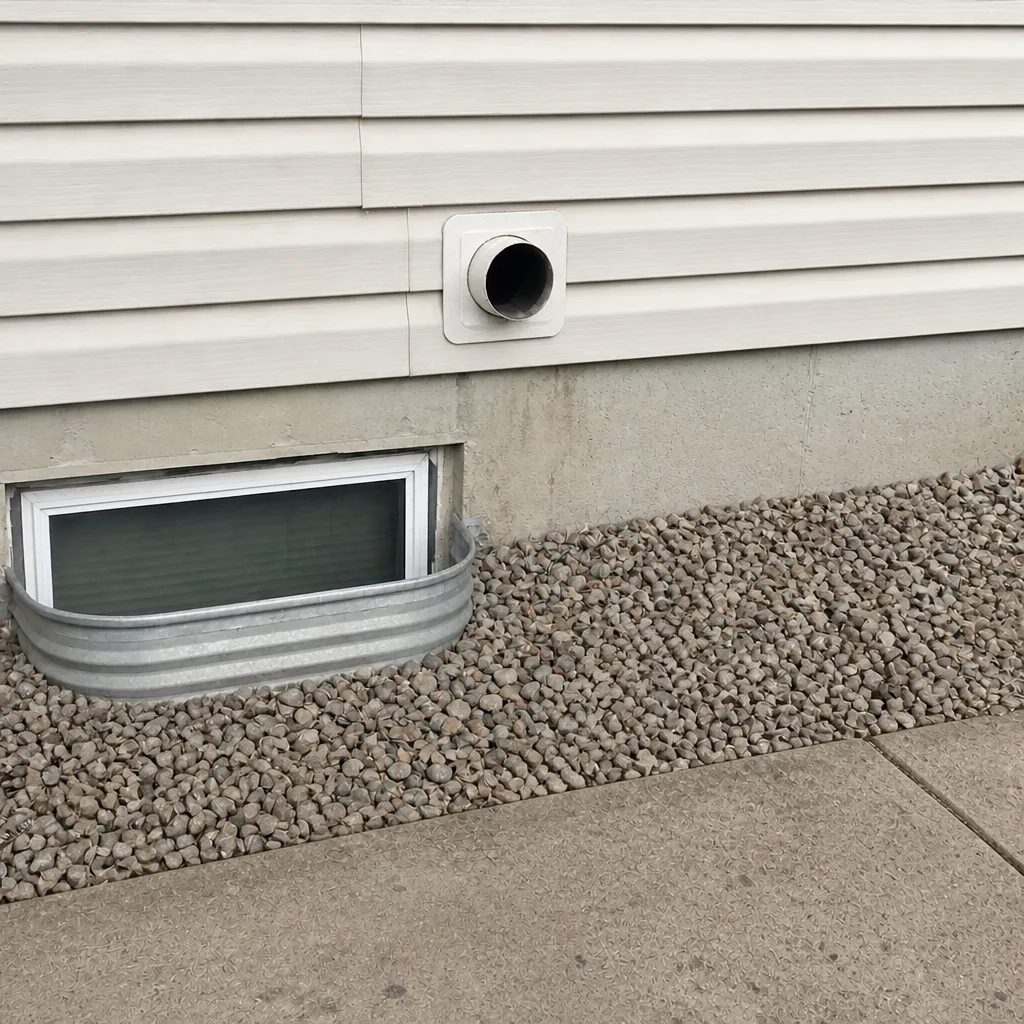
Whole-system duct and dryer vent check with before-and-after photos - you see exactly what came out of your vents
That "$99 whole-house special" is a bait ad - the real number appears once they are in your hallway, or the "clean" is a shop-vac at the register. We photograph the inside of your ducts before and after instead.
Air Duct Cleaning Emergency Preparedness Guide for Commerce City Homes
After a wildfire smoke event, running your HVAC to “clear the air” is one of the worst things you can do. Most people reach for the thermostat the moment the sky turns orange, thinking circulation will help. It does the opposite: a running system pulls smoke particles straight into the return ducts and pushes them into every room of the house. The same reversed instinct shows up after flooding and after heavy construction dust, and it costs homeowners time and money they didn’t need to spend. This guide walks through the correct order of response for Commerce City homes facing smoke, water, and construction contamination, and what to have ready before any of it happens.
Quick Answer
After a smoke, flood, or construction emergency in Commerce City, the correct sequence is: shut the system down and isolate it first, assess for moisture or embedded odor second, and only then bring in professional cleaning. Running the HVAC before the ducts are cleared pushes contaminants deeper. Call (844) 625-7459 for a free estimate before you restart anything.
Styles & brands we work with
- Whole-home duct cleaning
- Dryer vent cleaning
- Camera inspection
- Sanitizing & deodorizing
Table of Contents
- Why the Order of Response Matters
- How to Shut Down and Isolate Your HVAC During an Emergency
- Post-Wildfire Smoke: What to Do Before You Turn the System Back On
- Post-Flooding: Assessing Ducts for Moisture Intrusion
- Post-Construction Contamination and Drywall Dust
- What to Document Before an Emergency Happens
- What Professional Remediation Looks Like Step by Step
- Common Mistakes to Avoid
- When to Call a Professional
- Frequently Asked Questions
Why the Order of Response Matters
An HVAC system is a closed loop that only behaves like a closed loop when the ducts are clean. The moment contaminants enter, that loop works against you. Smoke, flood moisture, and construction dust each behave differently inside the ductwork, but they share one trait: the longer they sit and the more the system runs, the harder they are to remove. In Commerce City, where the Front Range wind carries smoke and dust across the plains and new subdivisions are going up on the edges of the city, homes face all three of these at different times of year.
The sequence most homeowners follow is backwards. They notice something wrong (smoke smell, musty air, dust problem), turn the system on to see if it helps, then call for help. By the time a professional arrives, the contaminant has been distributed through the whole system and sometimes into furnishings and wall cavities. The right order is:
- Stop the source. Close windows and doors, shut exterior vents, stop the system if the contaminant could be pulled in.
- Isolate the system. Turn the thermostat to off and, where safe, close the main return grille or cover it to reduce contaminant travel.
- Assess. Identify whether the problem is smoke, moisture, or particulate. Each calls for different remediation.
- Clean professionally. Bring in equipment designed for the contaminant type, not a consumer vacuum.
- Repair and seal. Fix leaks, gaps, and disconnected joints that let contaminants enter in the first place.
- Restart only after the system is verified. Turn the thermostat back on and let the system stabilize for a day.
The step that most homeowners skip is number five. Clean ducts without repair and sealing just means the next event re-contaminates the system faster. That’s the full-system thinking behind our air duct cleaning process: we clean, we inspect for leaks, we seal, and we treat for odor in a single visit so the system doesn’t need to be reopened weeks later.
How to Shut Down and Isolate Your HVAC During an Emergency
Shutting down an HVAC system correctly takes about sixty seconds and prevents hours of unnecessary circulation. The two things that matter most are stopping air movement and preventing outside air from entering the return side. Here is the sequence to follow in the first minutes of a smoke event, flood, or unexpected construction dust blow-in:
- Set the thermostat to off. Not just the fan to auto – the whole system to off. That stops both heating and cooling cycles.
- Close windows, doors, and exterior dampers. If you know where the fresh-air intake is, close it. If not, close every window and door and keep them shut until the air clears.
- Cover the main return grille. A clean towel or cardboard over the largest return, taped around the edges, reduces the volume of contaminated air being pulled in.
- Shut off the breaker feeding the air handler if you suspect water. If standing water or active leakage is near the equipment, turn off the breaker to the air handler at the main panel before touching anything. If you’re not confident about which breaker, call before you reach inside the panel.
- Do not open any access panel on the air handler or plenum unless you’re trained to do so. The blower wheel and internal wiring are not homeowner-serviceable, and opening panels can pull in more dust.
- Call for professional assessment before restarting. We answer 24/7. A call outside dispatch hours is booked into the next opening, Sunday through Friday, 7am to 7pm.
A note on safety: the electrical side of your HVAC system carries enough current to hurt you badly, and the interior of the air handler is not a place for hands and a flashlight. If water is anywhere near the equipment, treat it like a live electrical hazard until the breaker is off. If you’re unsure, leave the panel closed and call.
Post-Wildfire Smoke: What to Do Before You Turn the System Back On
Smoke infiltrates ductwork even when the windows stay closed. The particles in wildfire smoke are small enough to pass through the gaps around weatherstripping, exterior dampers, and improperly sealed return plenums, and they accumulate on duct walls the same way they accumulate on windowsills. In Commerce City, where the wind often carries smoke in from the west and southwest, this happens even on clear days at ground level because the plume settles along the Front Range and then drifts across the plains.
What makes smoke different from other contaminants is the odor. Cleaning the visible dust out of a duct doesn’t remove the smoke smell, because the volatile compounds that create the smell have soaked into the duct liner, the blower housing, and the flexible joints between duct sections. Standard vacuuming picks up particles but leaves the smell. Our HVAC cleaning process includes treatment of the blower wheel, evaporator coil, and plenum surfaces where smoke compounds settle, and it’s often paired with a sanitizing pass to address the odor at the source.
Here is the smoke event sequence we recommend:
- During the event: keep the system off, keep windows and doors closed, and tape over the largest return grille. If you have a portable air purifier with a HEPA filter, run it in the room you’re occupying. Don’t run the central HVAC hoping it will filter the air – most residential filters are too thin to catch smoke particles, and running the system just distributes what’s already inside.
- After the event, before restarting: open the windows for a day once outside air is clear. Change the HVAC filter to a new pleated filter. Vacuum all walkable surfaces. Do not restart the system until the outside air is clear and the filter is fresh.
- After restarting: if the house still smells like smoke after two or three days of normal operation, the smell is in the ducts themselves. Standard cleaning won’t remove it. Call for an assessment that includes odor treatment, not just a vacuum pass.
One more point on smoke: homes with pets, allergy or asthma occupants, infants, or older adults are the ones where the delay costs most. If anyone in the household has a respiratory condition, get the system inspected sooner rather than later. Nothing in duct cleaning is emergency work in the medical sense, but the indoor air quality problem compounds the longer smoke compounds sit in the duct lining.
Post-Flooding: Assessing Ducts for Moisture Intrusion
After flooding in Commerce City, the duct system is the part of the house most homeowners forget to check. Adams County storms can drop a lot of water in a short time, and water finds its way into crawlspaces, basements, and slab penetrations that the average homeowner never walks through. Ductwork that runs through those spaces pulls in moisture and the moisture creates conditions for biological growth inside the duct liner and on the coil.
The window that matters is the first 24 to 48 hours. Duct materials that have taken on water begin to develop odor, discoloration, and visible growth in that window, especially on fiberglass duct board and insulated flex duct. After that window, remediation becomes more involved because the growth has rooted in the porous surfaces. Anyone replying with certainty about “hours” has not done this work in a flooded basement.
Here’s how to assess your system after a flood event:
- Look for standing water in the mechanical area. If the air handler sits in water, the system is off-limits until the water is cleared and the breaker is off.
- Feel the duct insulation. Push gently on any accessible duct run and see if the insulation feels damp or spongy. Wet insulation is a red flag and usually needs to be replaced, not dried in place.
- Smell the registers when the system is off. A musty smell coming from the register itself, with the system not running, points to moisture inside the duct line rather than the room.
- Check the evaporator coil and drain pan. A pan that didn’t drain can leave standing water under the coil, which is a hotspot for microbial growth even if the ductwork itself stayed dry.
- Photograph everything before touching it. Damage documentation matters more than any cleaning step at this stage, because the insurer will need to see the condition as it was, not as it looked after cleanup.
For insurers, the documentation that matters is consistent: photographs of every affected area with a wide shot and a close shot, a written description of when the water entered and what it touched, receipts from any drying or cleaning work, and a professional report from whoever assesses the ducts. We work with your insurer on documentation and can put together a photo record of the condition of the ducts before and after cleaning, along with the before-and-after photos you should keep regardless of whether you file a claim. If the ducts need repair after the water damage, our Commerce City Air Duct Cleaning Pros team handles cleaning, sanitizing, and duct repair and sealing under one visit so you’re not coordinating three contractors during an insurance claim.
Post-Construction Contamination and Drywall Dust
Drywall dust clogs a system differently than ordinary household dust. Where ordinary dust settles relatively evenly and mostly accumulates in the return, drywall dust is finer, heavier in mass, and gets pulled into the supply runs because of how the blower distributes pressure. In homes near the new construction going up around Commerce City, this is one of the most common reasons for premature duct problems – the dust comes in during the build next door or from the work on your own home, and it deposits all the way to the far registers rather than staying in the main trunks.
Most standard duct cleaning equipment handles drywall dust well, but the humidity and static nature of the dust means it wants to cling to the sides of the duct rather than being fully lifted. The professional equipment that matters here is the negative-air containment side: Abatement Technologies air filtration equipment captures particles that get dislodged during cleaning so they don’t end up back in your living space. Consumer vacuums and shop vacs don’t have the filtration capacity for this. We use Abatement Technologies on-site alongside Rotobrush and Nikro systems, which are the same professional-grade duct cleaning rigs that commercial HVAC contractors trust for post-construction cleanup.
Here’s what remediation for construction dust actually involves:
- Containment. Negative-air equipment set up before any brushing starts, so particles that loosen during cleaning are captured rather than redistributed.
- Source cleaning. Each register, each supply run, the main trunk, the return plenum, and the blower wheel. Not a quick vacuum at the vents.
- Coil and air handler cleaning. Drywall dust settles on the evaporator coil and blower wheel; if those aren’t cleaned, the system will keep pushing dust downstream.
- Filter replacement. A fresh filter after cleaning, and a plan for filter changes over the first few weeks because residual dust keeps shaking loose from surfaces.
- Sealing. Construction often leaves gaps at joints and penetrations that weren’t there before. Sealing those gaps is the step that prevents the next round of construction dust from getting in.
If the home has had any significant renovation, ask for an inspection before you move back in. The duct system is the one part of the house that doesn’t announce its contamination, and a cleaning done after furniture goes in is more disruptive than one done before.
What to Document Before an Emergency Happens
The homeowners who get through a smoke event or flood with the least disruption are the ones who had documentation ready before it happened. Insurance claims go smoother when the condition of the duct system is documented pre-loss, and remediation goes faster when the technician already knows the layout of the system. In Commerce City, where homes range from older mid-century builds to recent construction, having the duct layout on file saves a step during an emergency call.
What to keep in a single folder (physical or digital):
- System photos. Wide shot of the air handler, wide shot of each duct run visible in basement, crawlspace, or attic, close shots of any obvious joint, seal, or connection.
- Duct map. A rough sketch of where the supply and return runs go, which rooms each register serves, and where the main trunk runs. It doesn’t need to be perfect; it needs to be a starting reference.
- Service records. Every cleaning, repair, and filter change with the date. This is the first thing an insurer or a technician will look at when assessing duct condition.
- Filter size and type. The dimensional size of the filter housing and the filter’s rating, so a replacement can be sourced quickly.
- Model and serial number of the air handler and outdoor unit. Photograph the data plate on both, because the plate is not always readable after a flood or fire.
- Photos of the exterior vent locations. Which side of the house the fresh-air intake and the dryer vent face, with a photo, so they can be closed quickly in a smoke event.
If you don’t already have any of this, a pre-emergency inspection is the simplest way to build the file. The technician photographs the system, notes duct condition, and leaves you with a written record you can pull out at the moment you need it. Honeywell and Aprilaire product familiarity on our side also means we can recommend a filter setup or whole-home air quality upgrade that makes the next event easier to manage, without you having to research the ratings from scratch.
What Professional Remediation Looks Like Step by Step
Professional remediation after a smoke, flood, or construction event follows the same general sequence regardless of the contaminant, with adjustments for what’s actually in the ducts. The first call is a free estimate. Here’s how a typical job runs from there:
- Inspection and assessment. We walk through the system, from the air handler to the farthest register, and identify where the contaminant has settled and whether repair is needed before cleaning.
- Containment setup. Abatement Technologies air filtration equipment goes in before any cleaning starts, so particles that loosen during the work are captured rather than recirculated.
- Source removal. Rotobrush and Nikro systems are run through each supply and return run to lift debris off the duct walls. This is the main event and the step most consumers underestimate in terms of time.
- Component cleaning. Blower wheel, evaporator coil, drain pan, and plenum surfaces are cleaned. Smoke compounds and construction dust both settle here, and skipping this step means the system recontaminates the ducts within weeks.
- Repair and seal. Any leaks, disconnected joints, or damaged duct sections are repaired and sealed. This is the step that prevents the next event from being as bad as this one was.
- Sanitizing. Where the contaminant was smoke, moisture, or biological, the system is sanitized to address odor and any growth at the duct level. The specific treatment depends on the assessment. There isn’t a single product that handles every contaminant, and any contractor who says there is probably hasn’t done a smoke job before.
- Verification and photos. The system is run, checked at the registers, and photographed before and after. You keep the photos. It’s the clearest record that the work was done.
If the home has a clothes dryer whose vent was also exposed to the same contamination, that’s a separate job but often worth bundling into the same visit. Our dryer vent cleaning work follows the same sequence and equipment, and having it done on the same visit means fewer separate appointments.
Common Mistakes to Avoid
- Running the HVAC to “clear the smoke.” It distributes the smoke into every room and pushes particles deeper into the ducts. Keep the system off until the outside air clears.
- Using a shop vac to clean duct runs yourself. A shop vac has neither the airflow nor the filtration to lift duct debris or contain what it loosens. It redistributes the problem into the room.
- Skipping the moisture assessment after a flood. Ducts that look dry on the outside can hide damp insulation behind them. The 24 to 48 hour window matters because growth starts before you can smell it.
- Cleaning after construction without containment. Drywall dust that gets dislodged during cleaning without negative-air filtration ends up in the living space. The containment step is not optional.
- Cleaning without repair and sealing. Leaks around joints in Commerce City homes let smoke, dust, and moisture back in at the next event. Clean ducts without sealing are a temporary fix.
- Assuming a fresh filter solves a smoke problem. A filter change helps with ongoing dust but does nothing for smoke odor that has soaked into the duct lining and blower housing.
- Restarting the system before it’s been verified. Turn it on only after the professional visit and a fresh filter. If a smell persists after two days, call back; the source wasn’t fully addressed.
When to Call a Professional
Call for a professional assessment after any of the following: a wildfire smoke event where the house smelled like smoke for more than a day; any flooding that reached the mechanical area, crawlspace, or basement; a renovation or new construction project in or next to your home; a pest problem in the ductwork; a persistent musty smell in one or more rooms; or reduced airflow you can’t trace to a filter. Any one of those situations can be handled with the right equipment, but only if the equipment is on-site. Consumer vacuums and consumer-grade filtration don’t have the capacity for these contaminants. Commerce City Air Duct Cleaning Pros offers free estimates in Commerce City – call (844) 625-7459. We answer 24/7. Fast dispatch from 7am to 7pm, Sunday through Friday.
Frequently Asked Questions
Pricing is set per job by a written estimate, not per vent or per hour. That is deliberate: a per-vent price rewards speed over completeness and is the root of the bait-and-switch reputation this trade has. Call (844) 625-7459 for an exact quote – estimates are free.
Cheap quotes usually mean one of three things: no containment equipment, no coil or blower cleaning, and no repair or sealing after the cleaning. A cheap quote is a price for the visible surface only, and the contaminants in the system are rarely only on the visible surface. Call (844) 625-7459 for an exact quote – estimates are free.
Ask for before-and-after photos of your own ducts, and ask to see the equipment on-site. Abatement Technologies air filtration equipment, Rotobrush and Nikro cleaning systems, and a technician who can explain what they found in each section of your ductwork are the clearest signs the work is real. Call (844) 625-7459 for an exact quote – estimates are free.
No. Standard cleaning removes particles but leaves the volatile compounds that create the smell embedded in the duct lining and blower housing. Smoke odor requires a sanitizing pass in addition to cleaning, and the sanitizing treatment is targeted to what the assessment found. Call (844) 625-7459 for an exact quote – estimates are free.
In our experience, the first 24 to 48 hours are the window that matters. Duct materials that have taken on water start to develop odor and visible growth in that window, and remediation becomes more involved once growth is rooted in porous surfaces. If water reached the mechanical area or any duct run, call (844) 625-7459 right away. We answer 24/7.
It does, in two specific ways. The wind that crosses the Front Range carries wildfire smoke and fine dust across the plains, which means homes here see more airborne particulate than many other parts of the state. And the freeze-thaw swings through fall and spring stress duct joints and seals, opening small gaps that let contaminants in at the next event. Call (844) 625-7459 for an assessment – estimates are free.
There isn’t one universal answer, and any contractor who gives you one is guessing. After a smoke, flood, or construction event, cleaning should follow within days, not months. For typical homes without those events, most HVAC systems benefit from an inspection on a regular basis, and cleaning when the inspection finds accumulated debris. Call (844) 625-7459 for an exact quote – estimates are free.
The Bottom Line
Emergency duct response comes down to order: shut down and isolate the system first, assess the contaminant second, clean with professional-grade equipment and containment third, repair and seal fourth, restart last. Smoke, flooding, and construction dust each behave differently inside a Commerce City home, but the same sequence handles all three, and the same documentation (system photos, duct map, service records) makes every response faster and every insurance claim cleaner. The mistakes that cost homeowners most are running the HVAC before cleaning and skipping repair and sealing afterward. One flat price per system, agreed before work starts, with before-and-after photos of your own ducts, is the way to get this done correctly the first time.
Call (844) 625-7459 for a free estimate. We answer 24/7. Fast dispatch from 7am to 7pm, Sunday through Friday.
Written by the team at Commerce City Air Duct Cleaning Pros.
See the difference
 Before
 After
 Before
 After
 Before
 After